
一张桌角二维码,让我先核对店名再付款 | A Table-Corner QR Code Taught Me to Check the Shop Name Before Paying
一张桌角二维码,让我先核对店名再付款 | A Table-Corner QR Code Taught Me to Check the Shop Name Before Paying
我第一次在成都一个小面馆里认真注意桌角二维码,是因为一碗担担面。那天中午下着细雨,街边梧桐叶被雨水压得发亮。我从地铁站出来,沿着一条不算热闹的小路找午饭,最后被一块写着“现拌担担面”的红色招牌吸引进去。店里只有六七张桌子,墙上贴着价目表,厨房窗口飘出芝麻酱、花椒和热油的香味。
The first time I seriously noticed a table-corner QR code in a small Chengdu noodle shop was because of a bowl of dandan noodles. It was raining lightly at noon, and the plane tree leaves along the street shone under the water. I came out of the metro station and walked down a not very busy road looking for lunch, finally drawn into a shop by a red sign that said freshly mixed dandan noodles. There were only six or seven tables inside, a price list on the wall, and the smell of sesame paste, Sichuan pepper, and hot oil drifting from the kitchen window.
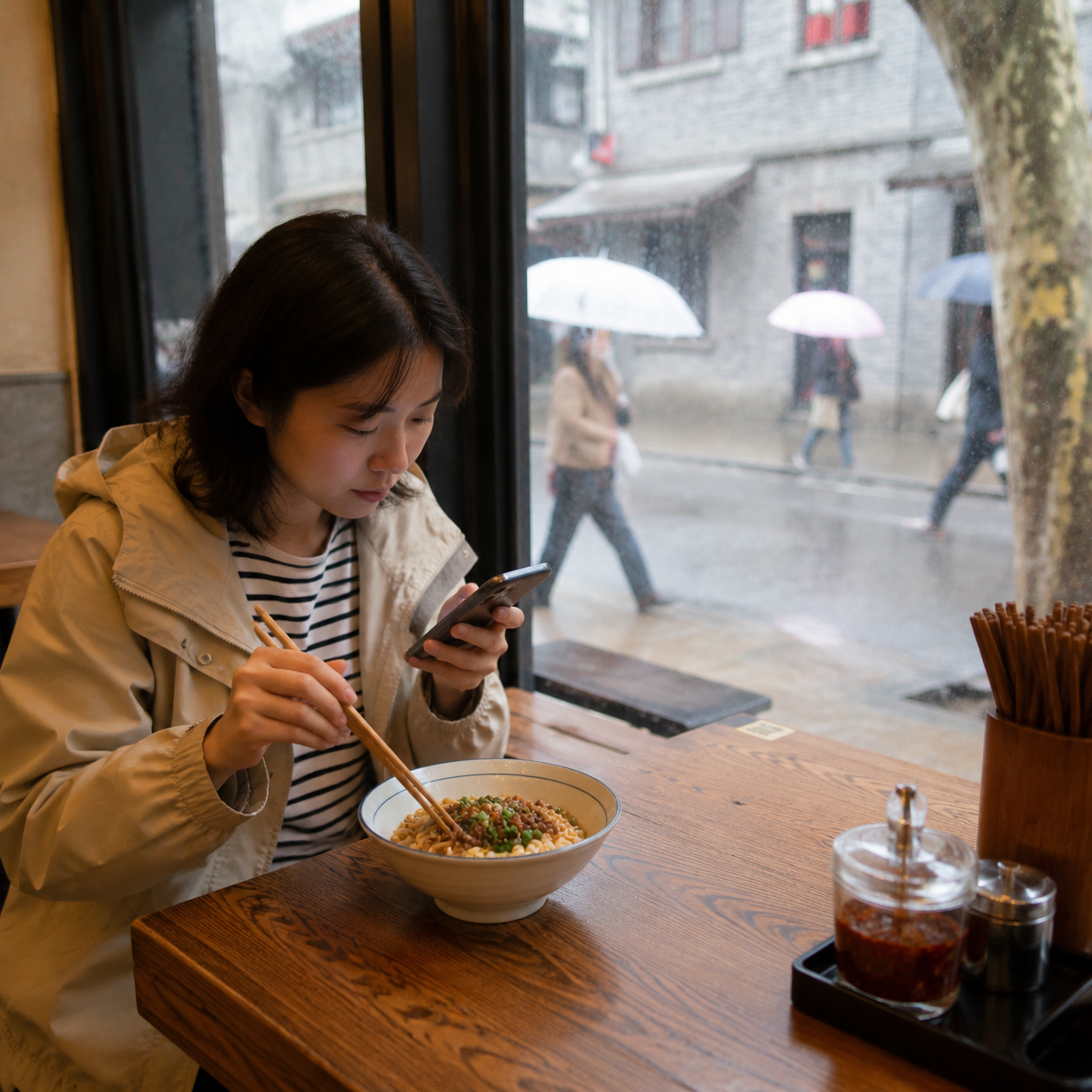
我坐到靠窗的小桌,桌角贴着一个有些磨损的二维码,旁边还有一行手写字:“付款请扫桌上码。”这句话看起来再普通不过。我在中国旅行了一段时间,已经习惯了手机支付,甚至有点为自己的熟练感到得意。点面、扫码、输入金额、听提示音,好像已经成了一套不需要思考的动作。
I sat at a small table by the window. A slightly worn QR code was stuck to the corner, with a handwritten line beside it: “Please scan the table code to pay.” It looked completely ordinary. I had been traveling in China for a while and had grown used to mobile payment, even a little proud of how smooth I had become. Order noodles, scan, enter the amount, listen for the confirmation sound—it had become a routine that seemed to require no thought.
老板娘站在窗口问我要不要辣。我说要中辣,不要太麻。她笑了一下,说成都的中辣对我可能不算中。我也笑,说那就微辣加一点花椒。她把单子夹到厨房口,一边招呼后面进来的两位外卖骑手,一边提醒我先找座位,吃完再付也可以。她的语气很随意,像这间小店里的节奏本来就不急。
The owner stood by the window and asked whether I wanted it spicy. I said medium spicy, not too numbing. She smiled and said Chengdu medium spicy might not feel medium to me. I laughed too and said then make it mild, with a little Sichuan pepper. She clipped the order at the kitchen entrance, greeted two delivery riders coming in behind me, and told me to find a seat first and pay after eating if I wanted. Her tone was relaxed, as if nothing in this little shop needed to be rushed.
面端上来时,碗不大,但香气很满。红油浮在表面,碎肉和葱花堆在中间,芝麻酱藏在下面。我用筷子从碗底往上翻,面条被酱汁裹住,颜色从白慢慢变成浅红。第一口入口,辣味不是猛地冲上来,而是先香,再麻,再一点点热。我低头吃得很专心,雨声和店里的说话声都变成了背景。
When the noodles arrived, the bowl was not large, but the aroma was full. Red oil floated on the surface, minced meat and scallions sat in the center, and sesame paste hid underneath. I lifted the noodles from the bottom with my chopsticks, coating them in sauce until they changed from pale white to light red. The first bite did not attack me with heat. It was fragrant first, then numbing, then slowly warm. I ate with my head down, and the rain and voices in the shop faded into the background.
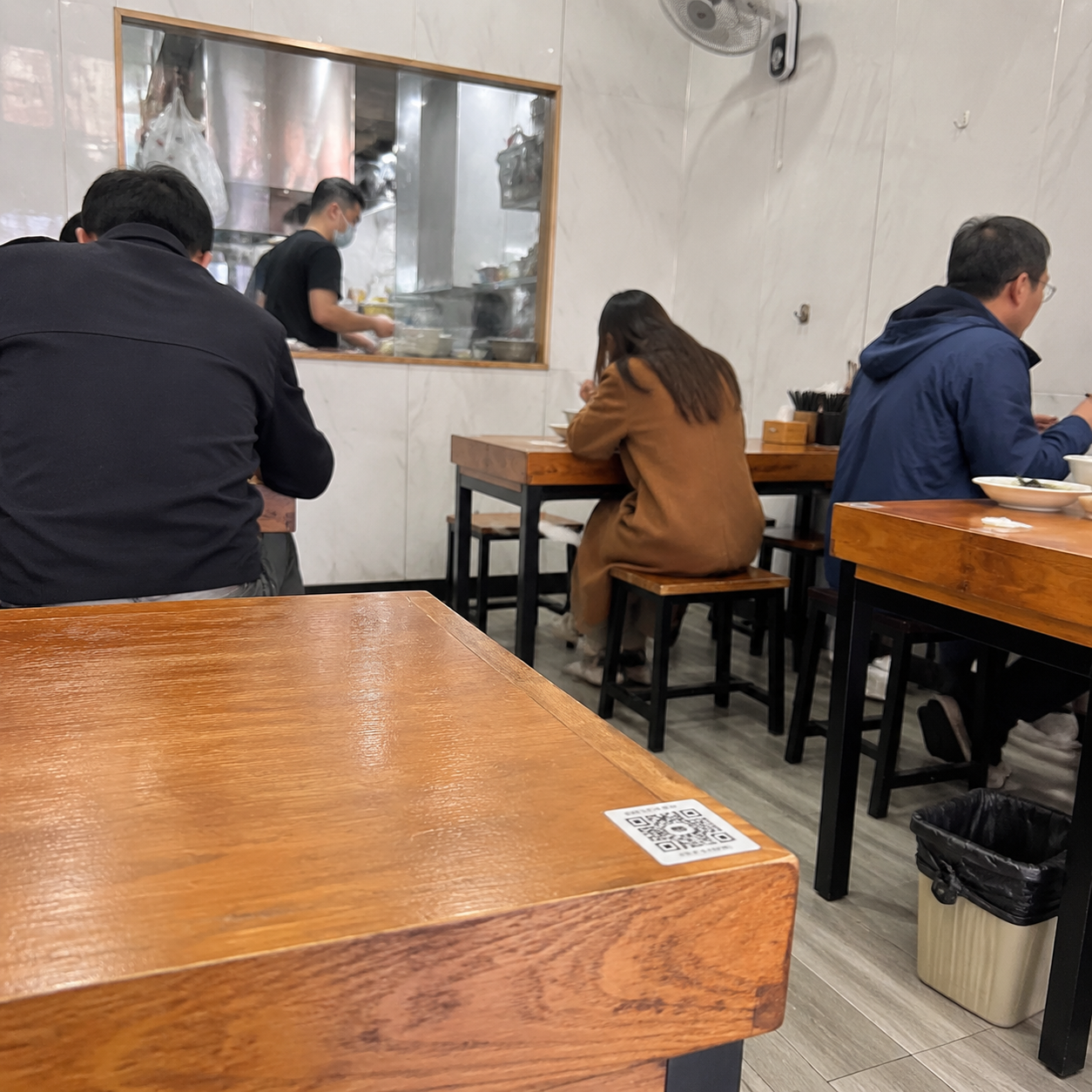
吃到一半,我听见隔壁桌一位阿姨对她朋友说:“你扫之前看一下名字。”我本来没有抬头,以为她只是在提醒金额。可她又说了一遍:“店名对不对,也要看。”这句话像一根筷子轻轻敲在我脑子里。我突然想起自己刚坐下时,只看见桌上的码,却没有真正看过付款页面会显示什么名字。
Halfway through the bowl, I heard an auntie at the next table say to her friend, “Check the name before you scan.” I did not look up at first, assuming she only meant the amount. But then she repeated, “You need to see whether the shop name is right too.” The sentence tapped my mind like a chopstick. I suddenly remembered that when I sat down, I had seen the QR code on the table, but I had not really thought about what name the payment page would show.
那位阿姨发现我看过去,笑着解释说,她之前在别的地方差点扫错码。不是被骗得很严重,只是桌上旧码没撕干净,旁边又贴了新码,她扫到了以前店主的收款码。钱不多,可退起来麻烦,双方都尴尬。从那以后,她每次付款都看三样:店名、金额、收款提示音。
The auntie noticed me looking over and explained with a smile that she had almost scanned the wrong code somewhere else before. It was not a serious scam; an old code had not been fully removed from the table, and a new one had been pasted beside it, so she scanned the former owner’s payment code. The amount was small, but getting it back was troublesome, and both sides felt awkward. Since then, she always checked three things when paying: the shop name, the amount, and the confirmation sound.
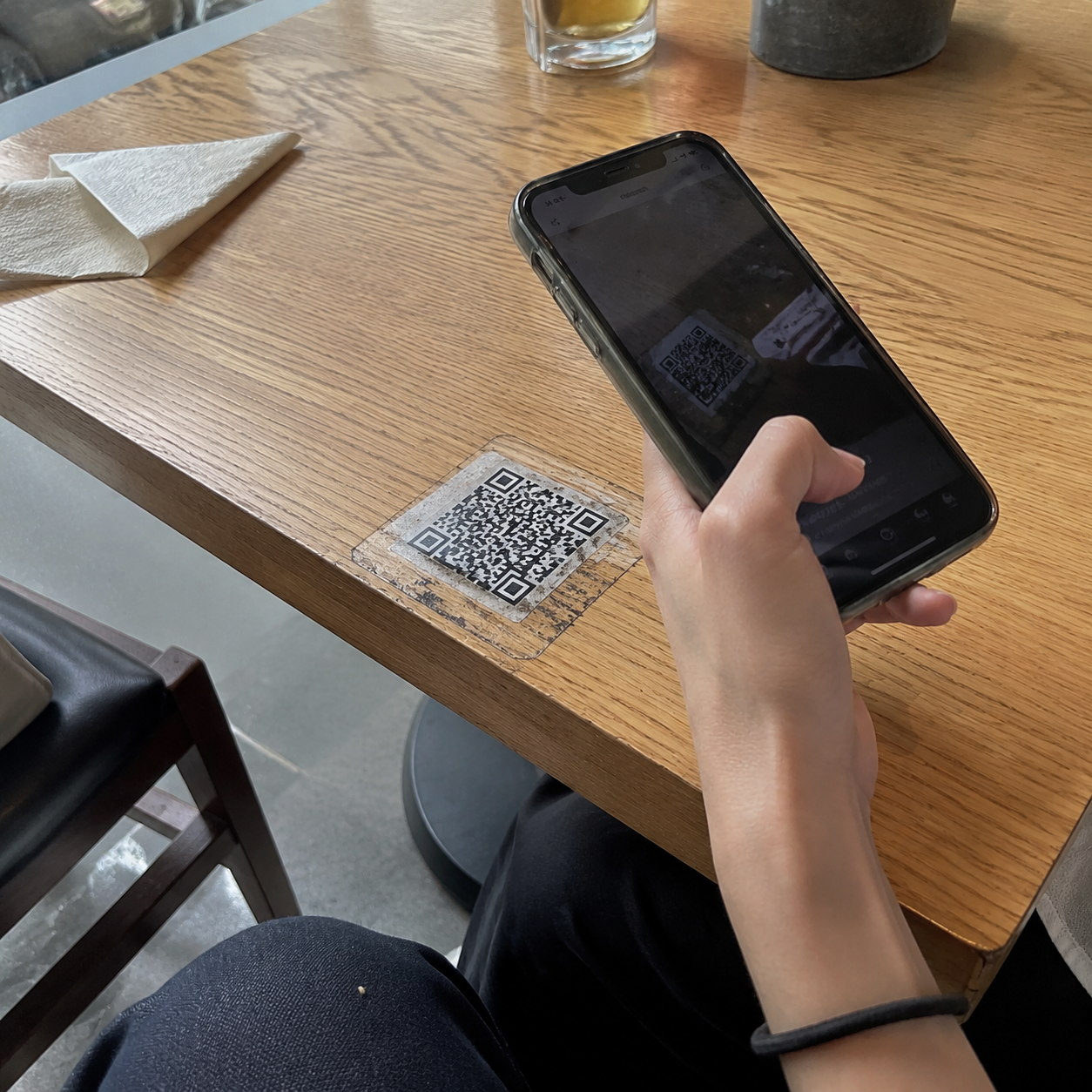
我有点不好意思地看了看自己桌角的二维码。它边缘翘起一点,透明胶带压着四个角,下面似乎还有旧贴纸的痕迹。我并不觉得这家店有问题,老板娘也一直在忙着给客人下面。但我突然意识到,信任一家小店和认真核对付款信息并不矛盾。核对不是怀疑所有人,而是对自己和店家都负责。
I felt slightly embarrassed and looked at the QR code on my own table. Its edge had lifted a little, four corners held down by clear tape, and there seemed to be marks of an older sticker underneath. I did not think there was anything wrong with the shop. The owner was busy cooking noodles for everyone. But I suddenly realized that trusting a small restaurant and carefully checking payment information were not contradictory. Checking was not about suspecting everyone; it was about being responsible to both myself and the shop.
我吃完最后几口面,辣油在碗底留下一个红亮的圈。老板娘从窗口问我够不够味,要不要加点汤。我说很好吃,然后拿起手机准备付款。以前我会一边站起来一边扫,手忙脚乱地输入金额,怕挡住后面的人。那天我没有急。我坐着先扫桌角的码,页面弹出来后,第一件事不是输入十八元,而是看收款方名称。
I finished the last few bites, and the chili oil left a bright red ring at the bottom of the bowl. The owner asked from the window whether the flavor was enough and whether I wanted some soup. I said it was very good, then picked up my phone to pay. In the past, I would scan while standing up, hurriedly enter the amount, and worry about blocking people behind me. That day I did not rush. I scanned the table code while still seated, and when the page opened, the first thing I did was not enter eighteen yuan. It was check the payee name.
页面上显示的是“春姐小面”。我抬头看墙上的营业执照,名字也是这个。菜单旁边的价目表写着担担面十八元。我把金额输入进去,又看了一遍小数点位置,才按下确认。手机响起付款成功的声音,同时窗口旁边的小音箱也用女声报出“收款十八元”。老板娘抬头说了一句收到。
The page showed “Sister Chun Noodles.” I looked up at the business license on the wall, and the name matched. The price list beside the menu said dandan noodles were eighteen yuan. I entered the amount, checked the decimal point again, and only then confirmed. My phone made the successful payment sound, and the small speaker beside the window announced in a female voice, “Received eighteen yuan.” The owner looked up and said she had received it.
这整个过程只多花了十秒,却让我心里稳了很多。隔壁阿姨看见我认真核对,笑着点点头,说:“就是这样,不麻烦。”她的朋友补充说,现在很多小店都靠手机收款,如果客人扫错了,老板也麻烦;如果老板没听见提示音,客人也会紧张。大家都确认一下,饭就吃得清楚。
The whole process took only ten extra seconds, but it made me feel much steadier. The auntie beside me saw me checking carefully and nodded with a smile. “That is it. Not troublesome.” Her friend added that many small shops now rely on mobile payments. If a customer scans the wrong code, the owner has trouble too; if the owner does not hear the confirmation sound, the customer becomes nervous. When both sides confirm, the meal ends clearly.
我问她们是不是每次都这样仔细。阿姨说不是紧张,而是习惯。她坐出租车看车牌,住酒店看房卡楼层,买菜看秤上的数字,吃饭看收款名。旅行的人尤其要慢一点,因为对本地店名不熟,对价格也不一定有感觉。越是不熟,越不要用“我应该表现得很熟”来掩盖。
I asked whether they were this careful every time. The auntie said it was not anxiety, just habit. She checked license plates in taxis, floor numbers on hotel key cards, scale numbers at vegetable markets, and payee names in restaurants. Travelers especially needed to slow down a little because they were not familiar with local shop names and did not always have a feel for prices. The less familiar you are, the less you should hide behind trying to look experienced.
这句话说中了我。我在中国旅行时,有时太想表现得不像游客。别人熟练扫码,我也想熟练;别人不用问路,我也尽量不用问;别人拿起筷子就吃,我也怕自己动作慢。可是很多出错的瞬间,正是因为我把速度当成了懂,把不问当成了礼貌。
That sentence hit me directly. When traveling in China, I sometimes wanted too much to avoid looking like a tourist. Other people scanned smoothly, so I wanted to scan smoothly too. Other people did not ask directions, so I tried not to ask. Other people picked up chopsticks and ate immediately, so I worried about moving slowly. But many mistakes happen exactly when I mistake speed for understanding and silence for politeness.
老板娘端着一碗面经过,听见我们聊天,也插了一句:“你们看名字是对的。有时候有人坐外面,扫到隔壁奶茶店的码,还问我怎么没声音。”她说这话时没有抱怨,只觉得好笑。原来在一条小街上,二维码像门牌一样密集,店和店之间只隔几步,扫错并不一定需要坏人参与,粗心就够了。
The owner passed by carrying a bowl of noodles and heard our conversation. She added, “Checking the name is right. Sometimes people sit outside, scan the bubble tea shop’s code next door, and then ask me why there was no sound.” She did not sound annoyed, only amused. On a small street, QR codes can be as dense as house numbers, with shops only a few steps apart. Scanning wrong does not always require a bad person; carelessness is enough.
饭后我没有立刻走,而是在店门口躲雨。外卖骑手进进出出,雨伞靠在墙边滴水,门口的小黑板上写着今日有红油抄手。我看着新来的客人坐下,点餐,拿起手机扫桌角的码。有的人看了一眼金额,有的人几乎不看就付。我忽然很想提醒他们看店名,但又怕显得多管闲事。
After the meal I did not leave immediately, but stood at the doorway avoiding the rain. Delivery riders came and went, umbrellas leaned against the wall dripping water, and a small blackboard by the door said red oil wontons were available today. I watched new customers sit down, order, and pick up their phones to scan the table code. Some looked at the amount; some paid almost without looking. I suddenly wanted to remind them to check the shop name, but I was afraid of sounding meddlesome.
老板娘似乎看出我的犹豫,把一张新的小纸条贴到收款码旁边,上面写着:“付款请核对:春姐小面。”她说这样也方便外国客人和老人。我看着那行字,觉得它比任何复杂的安全提示都实用。它没有制造恐慌,只是把该看的东西放到眼前。
The owner seemed to notice my hesitation and pasted a new small note beside the payment code: “Please confirm before paying: Sister Chun Noodles.” She said this made things easier for foreign guests and elderly customers too. Looking at that line, I felt it was more useful than any complicated safety warning. It did not create fear; it simply put the thing to check right in front of people.
下午雨停后,我去了附近的人民公园。茶馆里人很多,桌上同样有二维码,茶杯旁边也贴着付款提示。我买一杯盖碗茶时,服务员指了指码,我自然地扫了。页面弹出后,我又先看名字。它和茶馆招牌一致,金额也对。我听见提示音后才把手机放下。这个动作已经不像第一次那么刻意,反而像把伞收好、把包拉链拉上那样自然。
After the rain stopped in the afternoon, I went to nearby People’s Park. The teahouse was crowded, and there were QR codes on the tables there too, with payment reminders beside the teacups. When I bought a cup of gaiwan tea, the server pointed to the code, and I scanned it naturally. When the page opened, I checked the name first again. It matched the teahouse sign, and the amount was correct. Only after I heard the confirmation sound did I put my phone down. The action no longer felt deliberate, but as natural as closing an umbrella or zipping a bag.
坐在竹椅上喝茶时,我想起那碗担担面。真正让我记住的,不只是红油和花椒的味道,而是桌角那张普通二维码给我的提醒。旅行中的很多安全感,不来自大动作,而来自小核对:车到了先看车牌,住宿先看门牌,付款先看店名,找路先看方向再迈步。
Sitting in a bamboo chair drinking tea, I thought again of that bowl of dandan noodles. What stayed with me was not only the taste of red oil and Sichuan pepper, but also the reminder from that ordinary table-corner QR code. Much of the safety one feels while traveling does not come from big actions, but from small checks: look at the license plate before getting in, check the door number before entering, confirm the shop name before paying, and look at the direction before walking.
后来我在不同城市吃饭,越来越习惯这个顺序。先问清楚价格,再扫官方码;页面出来后,看店名是不是和招牌、菜单或收银台一致;输入金额时看小数点;付完不急着走,听一下老板那边有没有提示音。如果没有声音,就把付款记录给对方看,而不是一边离开一边猜。
Later, eating in different cities, I grew more and more used to this order. Ask the price clearly first, then scan the official code. When the page opens, check whether the shop name matches the sign, menu, or cashier counter. When entering the amount, look at the decimal point. After paying, do not rush away; listen for the owner’s confirmation sound. If there is no sound, show the payment record instead of walking off while guessing.
这些动作听起来不浪漫,甚至有点琐碎。但旅行本来就是由许多琐碎组成的。一个顺利的午饭、一段没有争执的结账、一次双方都确认的付款,最后会变成对城市的好印象。相反,一次小小的误付,也可能让人把整个下午都浪费在紧张里。
These actions sound unromantic, even trivial. But travel is made of many trivial things. A smooth lunch, a payment without argument, and a transaction confirmed by both sides eventually become part of a good impression of a city. By contrast, one small mistaken payment can waste an entire afternoon in tension.
我现在并不觉得自己因为会扫码就“懂中国”。手机支付方便得像空气,正因为太方便,才容易让人忘记看一眼空气从哪里来。桌角二维码不是魔法,也不是自动正确的答案。它只是一扇小门,门上写着名字,而我终于学会了进门前读一读。
I no longer think that knowing how to scan a code means I “understand China.” Mobile payment is as convenient as air, and precisely because it is so convenient, it is easy to forget to notice where that air comes from. A table-corner QR code is not magic, and it is not automatically the correct answer. It is only a small door with a name written on it, and I finally learned to read that name before entering.
如果以后有人第一次来中国旅行,问我手机支付最重要的技巧是什么,我不会先讲哪个按钮在哪里,也不会夸付款速度有多快。我会告诉他,慢十秒。扫之前看码在哪里,扫之后看店名,付款前看金额,付款后听提示音。这四个动作不会让人显得笨,反而会让一顿饭干净利落地结束。
If someone traveling in China for the first time asks me what the most important mobile payment skill is, I will not first explain which button is where, and I will not praise how fast payment can be. I will tell them to slow down for ten seconds. Before scanning, see where the code is. After scanning, check the shop name. Before paying, check the amount. After paying, listen for the confirmation. These four actions do not make a person look foolish; they help a meal end cleanly.
那天成都小面馆里的担担面已经被我忘掉了一些细节。我不记得碗边有没有花纹,也不记得窗外第几分钟雨停。但我记得老板娘贴上的那张小纸条,记得隔壁阿姨说“店名对不对,也要看”。它像一条很小的旅行规则,朴素,却可靠。从那以后,每一次手机付款前,我都会给自己那十秒钟。不是因为害怕,而是因为我终于明白,真正的熟练,常常就是愿意认真确认。
I have forgotten some details of that bowl of dandan noodles in the Chengdu shop. I do not remember whether the bowl had a pattern, or exactly when the rain stopped outside the window. But I remember the little note the owner pasted beside the code, and I remember the auntie saying, “You need to see whether the shop name is right too.” It became a small travel rule, plain but reliable. Since then, before every mobile payment, I give myself those ten seconds. Not because I am afraid, but because I finally understand that real fluency often means being willing to confirm carefully.

- 漆扇体验之后,我第一次发现“流动的颜色”也能有秩序 | After Trying Lacquer Fans, I Realized for the First Time That Flowing Color Can Also Have Order
- 中国新年:传统与习俗 | Chinese New Year: Traditions and Customs
- 中国景区门口的安检队伍,其实有自己的节奏 | Security Lines at Chinese Scenic Spots Have Their Own Rhythm
- 中国旅游购物攻略:特产与纪念品 | China Shopping Guide: Local Specialties & Souvenirs
- 我原以为汉代节日只是热闹,后来才发现真正难忘的是厨房里那股蒸汽 | I Used to Think Han Festivals Were Only About Excitement, Until I Realized the Kitchen Steam Was What Stayed With Me
- 重庆不需要滤镜:一座让赛博朋克自惭形秽的城市 | Chongqing Needs No Filter: A City That Makes Cyberpunk Feel Inadequate
- 读一面敦煌壁画的次序:从洞窟入口开始 | How to Read a Dunhuang Mural: Begin at the Cave Entrance
- 桂林漓江山水游全攻略 | Guilin Li River Scenic Tour Complete Guide
- 我在扬州瘦西湖边躲五月小雨,才知道一个人旅行也可以很热闹 | Hiding from a May Shower by Slender West Lake, I Learned Solo Travel Can Still Feel Full of Company
- 从成都出发的三天川西自驾路线 | A 3-Day Road Trip from Chengdu into Western Sichuan
Comments (0)