
二十四节气:中国人骨子里的时间密码 | The 24 Solar Terms: China's Ancient Calendar Hidden in Plain Sight
二十四节气:中国人骨子里的时间密码 | The 24 Solar Terms: China's Ancient Calendar Hidden in Plain Sight
我第一次真正理解二十四节气,不是在书本上,而是在杭州一个菜市场里。那天是"惊蛰",卖菜的大姐一边整理摊位一边说:"惊蛰了,该吃梨了。"我当时一脸茫然——什么是惊蛰?为什么要吃梨?后来我才明白,这套两千多年前的时间系统,至今仍然深深嵌入中国人的日常生活,像一种集体无意识的生物钟。而且它远比我想象的复杂和有趣。
My first real understanding of the 24 Solar Terms didn't come from a textbook — it came in a Hangzhou wet market. It was "Jingzhe" (Awakening of Insects), and a vegetable vendor said casually: "Jingzhe is here, time to eat pears." I was confused — what's Jingzhe? Why pears? Later I learned that this 2,000-year-old time system is still deeply embedded in Chinese daily life, like a collective biological clock. And it's far more complex and fascinating than I ever imagined.
它到底是什么?不是阴历,是太阳历 | What Is It Exactly? Not Lunar — It's Solar
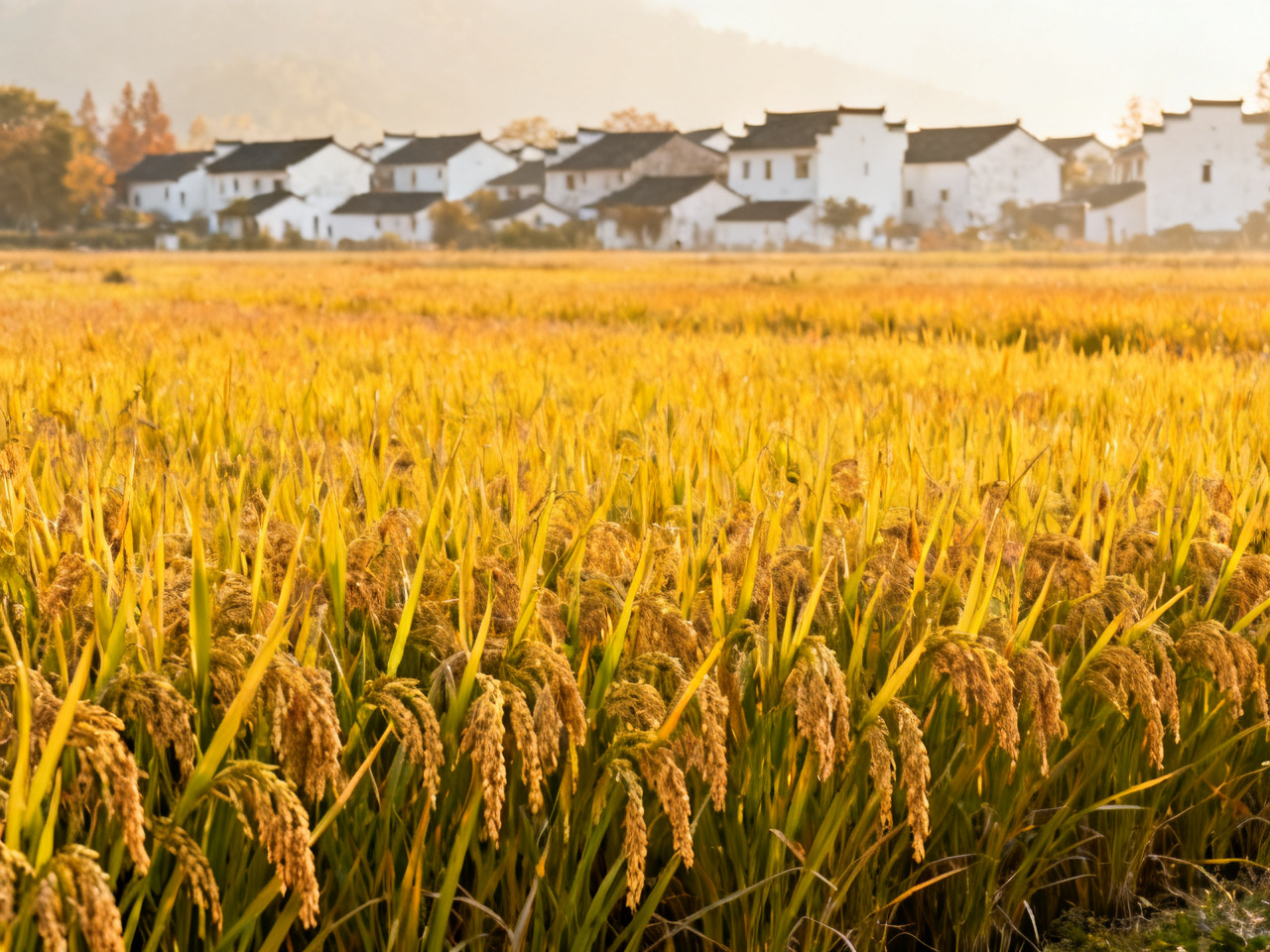
很多人搞混了——二十四节气不是阴历系统。它是一套纯粹基于太阳运行轨迹的时间划分法。古人观察太阳在黄道上的位置,每移动15度为一个节气,一年刚好24个。从"立春"(大约2月4日)开始,到"大寒"(大约1月20日)结束,循环往复。每个节气间隔约15天,精确到令人惊叹的地步——两千年前没有望远镜、没有卫星,中国农民硬是靠肉眼观测和世代积累,建立了这套精密的天文时间系统。2016年,联合国教科文组织正式将其列入人类非物质文化遗产代表作名录,称它是"中国人通过观察太阳周年运动而形成的时间知识体系"。
Many people get this wrong — the 24 Solar Terms aren't a lunar system. It's a purely solar-based time division. Ancient observers tracked the sun's position along the ecliptic, marking a new term every 15 degrees, totaling 24 per year. Starting from "Lichun" (Start of Spring, around February 4) to "Dahan" (Great Cold, around January 20), the cycle repeats endlessly. Each term is about 15 days apart, astonishingly precise — without telescopes or satellites 2,000 years ago, Chinese farmers built this sophisticated astronomical system through naked-eye observation and generational knowledge. In 2016, UNESCO inscribed it on the Representative List of Intangible Cultural Heritage of Humanity, calling it "a time knowledge system formed through observation of the sun's annual motion."
IMAGE_PLACEHOLDER_1
不只是日历——每个节气都是一种生活方式 | Not Just a Calendar — Each Term Is a Way of Life
复杂的地方在于,每个节气都不只是一个日期标记,它背后连接着农事安排、饮食习俗、养生哲学,甚至社交礼仪。让我挑几个最有意思的说:
The complexity is that each term isn't just a date — it connects to farming schedules, food customs, health philosophy, and even social etiquette. Let me pick some of the most interesting ones:
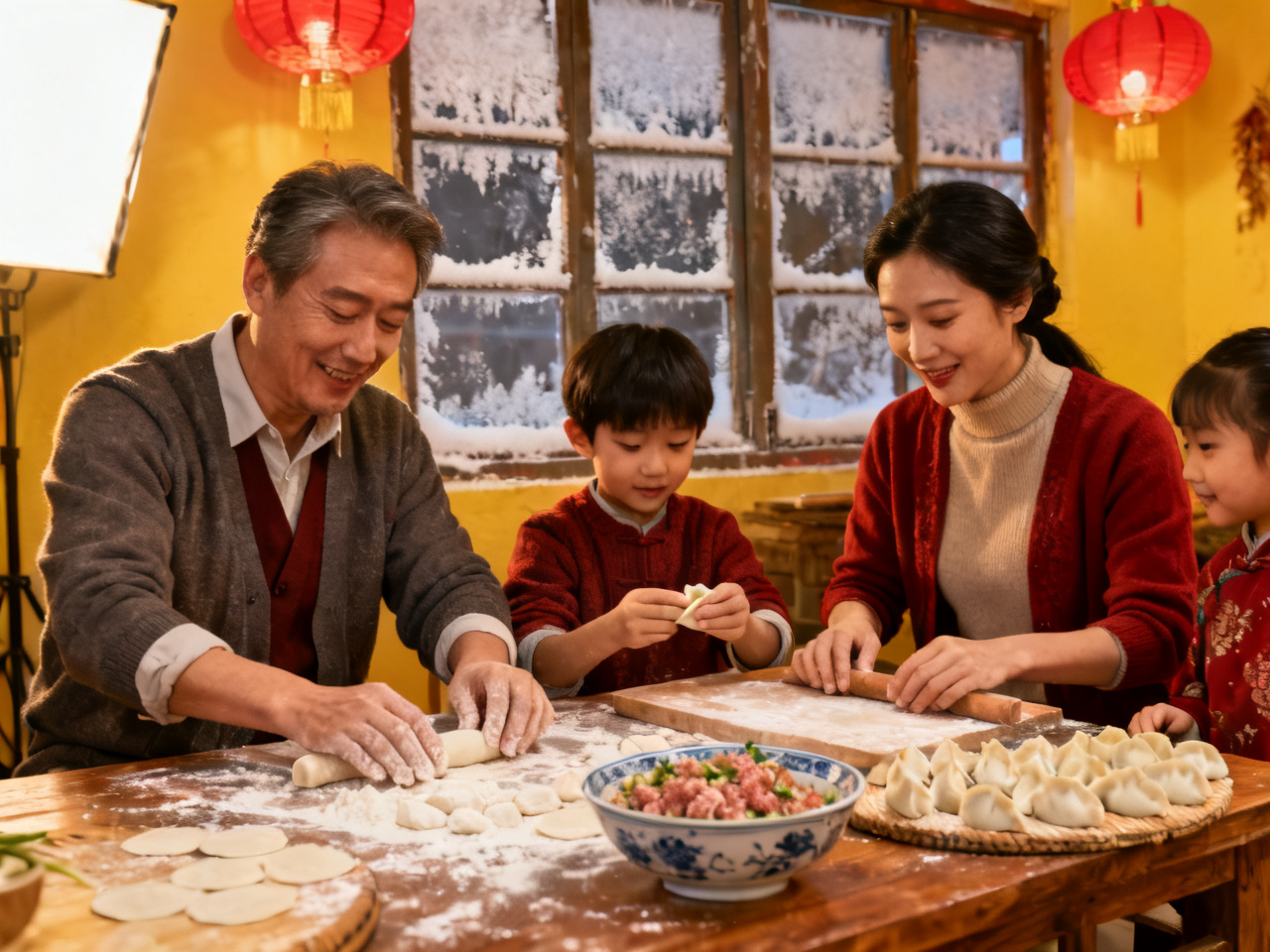
冬至——这大概是存在感最强的节气了。每年12月21日或22日,北半球白天最短。在北方,冬至吃饺子是铁律,传说是为了纪念医圣张仲景用"祛寒娇耳汤"救治冻伤百姓的故事。我在哈尔滨过过一次冬至,零下二十多度的天气里,满街饺子馆排队排到门外,一盘猪肉白菜水饺也就18-25元。而在南方,冬至是吃汤圆的日子,上海宁波汤圆的黑芝麻馅儿甜得发腻却让人停不下来。这种南北差异,恰恰反映了中国源远流长的南甜北咸饮食文化。
Dongzhi (Winter Solstice) — probably the most prominent solar term. Around December 21-22, the shortest day in the Northern Hemisphere. In northern China, eating dumplings on Dongzhi is an iron law, said to honor the ancient physician Zhang Zhongjing who treated frostbitten villagers. I spent one Winter Solstice in Harbin at minus 20°C, with dumpling shops packed and lines stretching outside — a plate of pork-and-cabbage dumplings cost just 18-25 RMB. In the south, it's tangyuan (sweet rice balls) day — Shanghai-Ningbo style with black sesame filling, cloyingly sweet but utterly addictive. This north-south divide perfectly reflects China's deep-rooted sweet-south-vs-salty-north food culture.
清明——不只是扫墓。清明节(4月4日或5日)是中国人祭奠先人的日子,但它同时也是踏青的好时节。杭州西湖边、苏州虎丘下,清明前后总是人山人海。很多地方还有吃青团的习俗——用艾草汁染绿的糯米团子,包上豆沙或者蛋黄肉松,价格从5元到15元不等。上海南京路上的杏花楼和沈大成,每年清明前都排几百米的长队买青团,场面堪比春运抢票。
Qingming (Clear Brightness) — not just tomb sweeping. Qingming (April 4-5) is when Chinese honor ancestors, but it's also prime time for spring outings. Around West Lake in Hangzhou and Tiger Hill in Suzhou, crowds surge. Many places eat qingtuan — emerald-green rice balls colored with mugwort juice, filled with red bean paste or egg yolk-pork floss, priced 5-15 RMB. At Shanghai's Xinghualou and Shen Dacheng on Nanjing Road, pre-Qingming queues stretch hundreds of meters — scenes rivaling Spring Festival train ticket rushes.
惊蛰——每年3月5日或6日,"春雷响,万物长"。传说这天冬眠的虫子被雷声惊醒,所以叫"惊蛰"。北方有吃梨的习俗("梨"谐音"离",意思是离别虫害),南方则有些地方"打小人"——用鞋底拍打纸人,驱除晦气。我在香港鹅颈桥下亲眼看过打小人,几位阿婆坐在桥墩下,一边念念有词一边啪啪地拍,每次收费50港币,生意好得不得了。
Jingzhe (Awakening of Insects) — around March 5-6, "spring thunder rumbles, all things grow." Legend says hibernating insects are startled awake by thunder. Northerners eat pears ("li" sounds like "leave" — leaving pests behind). In the south, some places practice "beating villains" — hitting paper figures with shoe soles to dispel bad luck. I witnessed this under Hong Kong's Goose Neck Bridge — elderly women sitting by pillars, chanting while smacking vigorously, charging 50 HKD per session, business booming.
年轻人的节气复兴 | The Youth Revival of Solar Terms
有人可能觉得这些只是老人家的讲究。但事实并非如此。2016年联合国认证之后,中国年轻人掀起了一波"节气热"。在小红书和抖音上,无数博主围绕节气做内容——节气穿搭、节气食谱、节气养生茶饮,甚至还有节气主题的汉服到旗袍穿搭分享。每到某个节气,微博热搜上必然会出现"今日XX节气"的话题,阅读量动辄几亿。年轻人把节气做成手机壁纸、文创日历,甚至有人按照节气来安排健身计划和作息时间。
Some might think this is just old folks' stuff. Not so. After UNESCO's 2016 recognition, young Chinese sparked a "solar term fever." On Xiaohongshu and Douyin, countless bloggers create solar-term content — seasonal fashion, recipes, wellness teas, even solar-term themed hanfu-to-qipao styling guides. Every solar term, Weibo trends feature "Today's XX Term" topics with billions of views. Young people design phone wallpapers, creative calendars, and some even plan fitness routines and sleep schedules around the terms.
故宫博物院推出的"二十四节气"系列文创产品,光是2023年就卖出了超过200万件。星巴克中国每个节气都会推出限定饮品——"谷雨龙井拿铁"、"立秋桂花拿铁"之类。这说明什么?说明两千年前的农业时间系统,已经成功进化成了当代中国的文化IP和消费密码。
The Palace Museum's "24 Solar Terms" creative product series sold over 2 million pieces in 2023 alone. Starbucks China launches limited drinks for each term — "Guyu Longjing Latte," "Liqiu Osmanthus Latte" and so on. What does this tell us? That a 2,000-year-old agricultural time system has successfully evolved into contemporary China's cultural IP and consumption code.
IMAGE_PLACEHOLDER_2
我的私人节气指南 | My Personal Solar Term Guide
在中国生活几年后,我开始有了自己的"节气仪式感"。立春那天我会去吃春饼——北京的春饼卷鸭丝、酱肉、炒合菜,一套大概35-50元,是开春最好的犒赏。小满前后我会专程去苏州吃枇杷,东山白玉枇杷20-40元一斤,甜到心里去。芒种时节杨梅上市,仙居杨梅一颗有乒乓球那么大,25-60元一斤。大暑天我学当地人一样躲进茶馆,成都的鹤鸣茶社一碗盖碗茶15-30元,坐一下午消暑。秋分前后去北京看红叶,香山的黄栌红得像火烧,门票才10元。
After years in China, I developed my own "solar term rituals." On Lichun I eat spring pancakes — Beijing-style rolled with duck, sauce meat, and stir-fried vegetables, 35-50 RMB per set, the perfect spring reward. Around Xiaoman I travel to Suzhou for loquats — Dongshan white jade loquats at 20-40 RMB per jin, sweet beyond words. Mangzhong brings bayberries — Xianju bayberries big as ping-pong balls, 25-60 RMB per jin. On Dashu (Great Heat) I follow locals into teahouses — Chengdu's Heming Teahouse charges 15-30 RMB for a covered bowl of tea, perfect for an afternoon escape. Around Qiufen (Autumn Equinox) I head to Beijing for red leaves — Xiangshan's smoketree blazing like fire, tickets just 10 RMB.
对城市人来说,节气的意义已经从"生产工具"变成了"文化仪式"和"情感锚点"。每到冬至,不管你在北京、上海还是广州,不管你是企业高管还是外卖骑手,你都会想到饺子或者汤圆。这种共同的时间记忆把十四亿人连接在一起,形成一种无声的文化纽带。就像中国很多传统文化一样——从佛山醒狮到各地的节庆习俗——节气已经超越了它的原始功能,成为一种身份认同。
For urban people, solar terms have evolved from "production tools" to "cultural rituals" and "emotional anchors." Every Dongzhi, whether you're in Beijing, Shanghai, or Guangzhou, whether CEO or delivery driver, you think of dumplings or tangyuan. This shared time-memory connects 1.4 billion people in a silent cultural bond. Like many Chinese traditions — from Foshan lion dance to regional festival customs — solar terms have transcended their original function to become a form of identity.
写在最后 | Final Thoughts
二十四节气教会我一件事:中国人对时间的理解,从来不是线性的钟表式的,而是循环的、有机的、与自然共呼吸的。每一个节气的到来,都是大自然发出的一封邀请函——邀请你放慢脚步,注意天气的变化、食物的变迁、身体的感受。在这个信息过载的时代,能够按照节气的节奏去生活,本身就是一种了不起的智慧。下次你在中国旅行时,不妨查一下当天是什么节气,然后去当地菜市场或者餐馆,问一句:"这个节气应该吃什么?"我保证,你会打开一扇通往中国文化深层逻辑的大门。
The 24 Solar Terms taught me something: Chinese people's understanding of time has never been linear and clocklike — it's cyclical, organic, breathing with nature. Each arriving term is an invitation from nature — to slow down, notice weather shifts, food transitions, bodily sensations. In this age of information overload, living by the rhythm of solar terms is itself a remarkable wisdom. Next time you travel in China, check what solar term it is, then visit a local market or restaurant and ask: "What should I eat for this term?" I guarantee you'll open a door to the deep logic of Chinese culture.
- 广西山水5日行程:桂林阳朔龙脊梯田 | 5-Day Guangxi: Guilin, Yangshuo & Longji Terraces
- 在中国生活:完整指南 | Living in China: A Complete Guide
- 在泉州看见海上丝路:寺庙、古港和街巷里的混合文化 | Quanzhou and the Maritime Silk Road: Temples, Port Traces, and Living Culture
- 罗平没有油菜花的那天,我还是走上了田野公路 | I Took Luoping’s Country Road Even Without the Canola Blooms
- 别扫那个码!外国游客在中国最容易中招的6种支付骗局 | Don't Scan That QR Code! 6 Payment Scams That Target Foreign Tourists in China
- 旗袍:中国经典服装 | Qipao: The Iconic Chinese Dress
- 香包制作:我第一次发现香气也可以被一针一线缝起来 | Scented Sachet Making: The First Time I Realized Fragrance Could Be Sewn Together with Needle and Thread
- 在中国住酒店前先懂这五件事:押金、电梯、外卖和静音时间 | Five Things to Know Before Staying in Hotels in China
- 去济南之前,我先把会让人慌张的那几样信息收进同一屏 | Before Jinan, I Gathered the Few Panic-Making Essentials onto One Screen
- 比“中国哪里最好玩”更重要的,是有人先把来华准备讲明白了 | More Important Than “Where to Go in China” Is Having Someone Explain the Preparation First
Comments (0)