
雾江边的一晚重庆火锅 | A Foggy-River Evening of Chongqing Hotpot
雾江边的一晚重庆火锅 | A Foggy-River Evening of Chongqing Hotpot
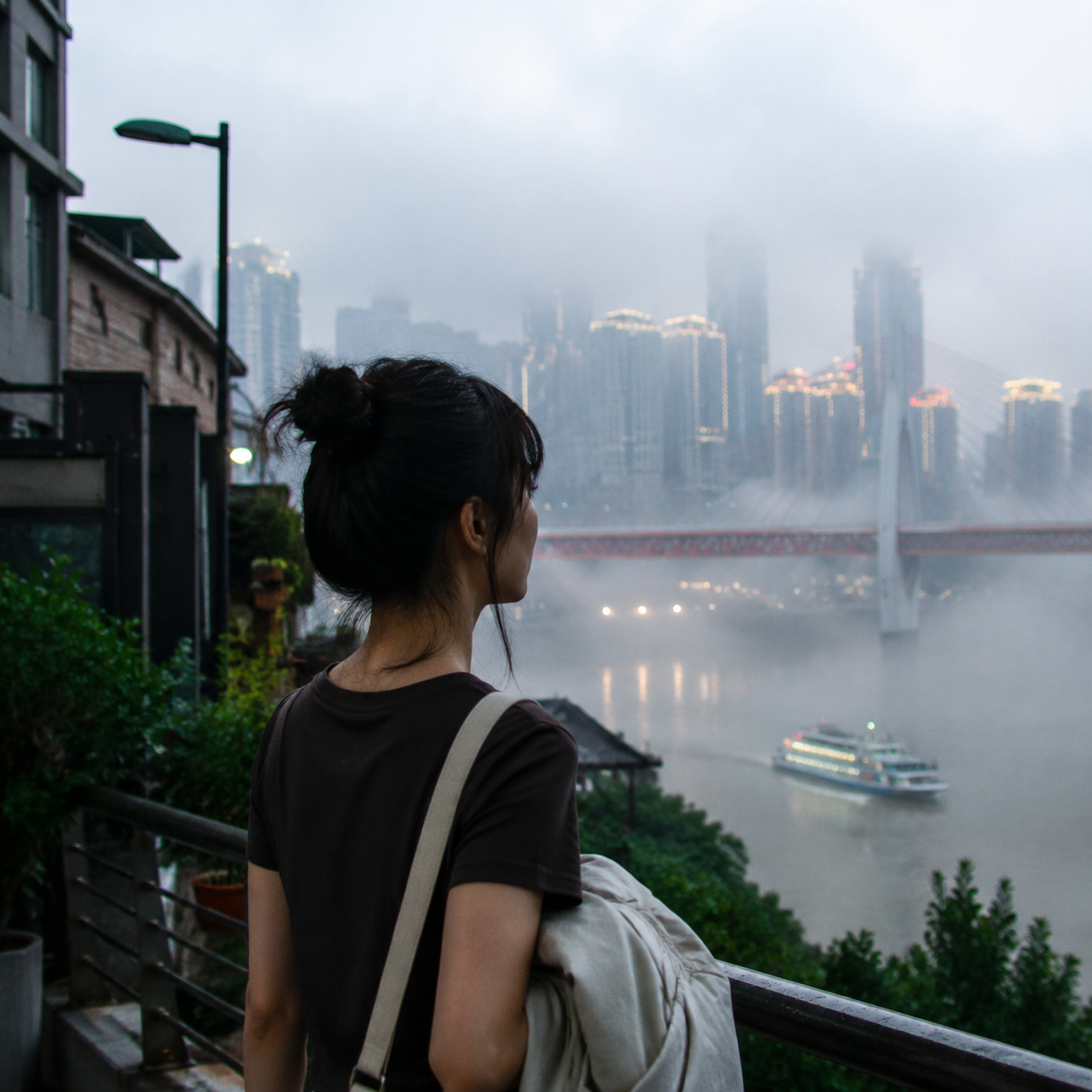
傍晚到重庆时,江面像刚烧开的水一样冒着白雾。我从轻轨站出来,手里攥着外套,鼻尖先闻到潮湿的河风,接着才闻到街口火锅店飘出的牛油香。那种味道不是单纯的辣,而是油脂、花椒、姜蒜和热铁锅混在一起的厚重气息,像一封很热的邀请函。我是一个来中国旅行的外国人,中文只能应付点菜和问路,所以那天我约了在重庆工作的朋友阿岚一起吃火锅。她笑着说,第一次认真吃重庆火锅,别只想着“能不能吃辣”,还要学会选锅、调油碟、看队号、照顾自己的包,以及知道什么时候停筷。
When I arrived in Chongqing that evening, the river looked as if it were steaming after a boil. I came out of the metro station holding my jacket, and the first thing I noticed was the damp river air on my nose; only after that did I smell the hotpot restaurant at the corner. It was not just a spicy smell. It was a heavy mix of beef tallow, Sichuan pepper, ginger, garlic, and hot metal, like an invitation written in heat. I was a foreign traveler in China, with enough Chinese to order food and ask directions, so I asked my friend Lan, who worked in Chongqing, to eat with me. She smiled and said that for a first serious Chongqing hotpot evening, the question was not only whether I could take the spice. I also needed to learn how to choose the pot, set the oil dish, watch the queue number, protect my belongings, and know when to put the chopsticks down.
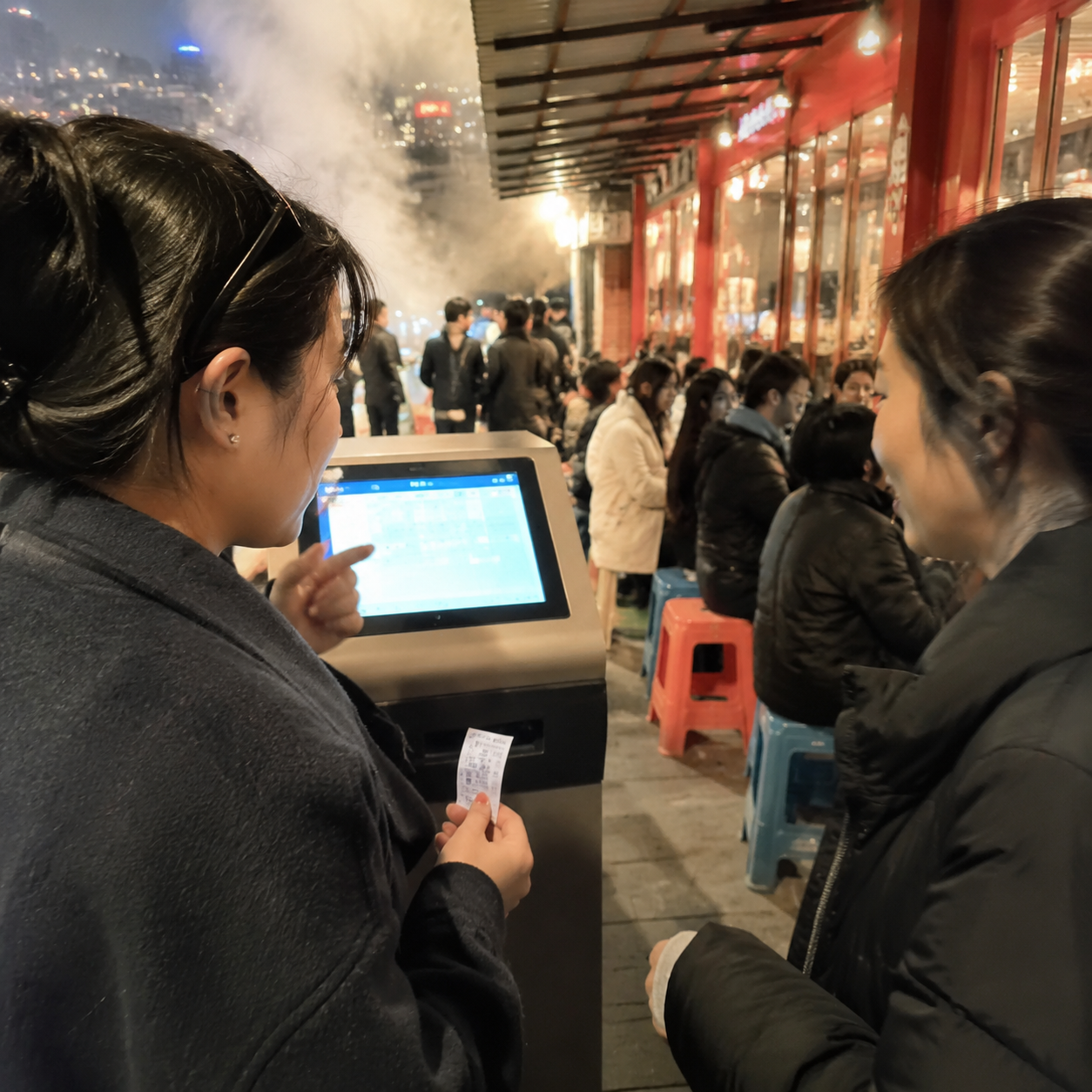
店门口的等位区已经坐满了人,塑料凳一排排摆在屋檐下,雾气和蒸汽混在一起,看不清远处桥上的灯。我刚想往里走,阿岚把我拉住,指了指门口的小机器:“先拿号。”机器吐出一张纸,上面写着A37。屏幕上正在叫A29,旁边还有几桌人盯着数字,像在机场等登机。服务员路过时,阿岚用重庆话问了大概多久。服务员说,快的话二十分钟,慢的话半小时。她把这句话翻译给我,又提醒我不要站在门正中间,店里端锅端菜的人进出很快,热汤和湿地面都不是适合发呆的地方。
The waiting area outside the restaurant was already full. Plastic stools stood in rows under the awning, and fog mixed with kitchen steam until the bridge lights in the distance looked blurred. I was about to walk inside, but Lan pulled me back and pointed at a small machine by the door. “Take a number first.” The machine printed a slip marked A37. The screen was calling A29, and several tables of people were staring at the digits as if they were waiting to board a flight. When a server passed, Lan asked in the local dialect how long it might take. The server said twenty minutes if it moved quickly, half an hour if not. Lan translated it for me and reminded me not to stand in the middle of the doorway. People were carrying pots and dishes in and out, and hot soup plus a wet floor was not a good place for daydreaming.
等位时我才注意到重庆火锅的声音也很有层次。门里有锅底翻滚的咕嘟声,抽风管低低地响,金属漏勺碰到锅边发出清脆的一下,远处有人把筷子放在碗上,瓷器轻轻一磕。桌与桌之间的谈笑声很密,像江边的雾一样挤在一起。我原来以为火锅只是吃东西,坐在门口等号时才发现,它更像一个有节奏的晚上:先拿号,等叫号,进去点锅底,再慢慢把身体交给那张热气腾腾的桌子。阿岚看我一直盯着屏幕,笑我紧张。我说我不是紧张,我只是怕错过号码。她说,错过了也能跟服务员解释,但最好别让大家等你。

While we waited, I began to notice that Chongqing hotpot had its own layers of sound. From inside came the bubbling of soup bases, the low hum of ventilation pipes, the bright tap of a metal strainer against the rim of a pot, and, farther away, the small click of chopsticks resting on a bowl. Conversation between tables was dense, packed together like the fog by the river. I had thought hotpot was simply about eating, but sitting at the entrance with a queue slip in my hand, I realized it was more like an evening with a rhythm: take a number, wait to be called, choose the pot, then slowly give your body over to the steaming table. Lan saw me staring at the screen and laughed that I looked nervous. I said I was not nervous, only afraid of missing our number. She said we could explain to the server if that happened, but it was better not to make everyone wait.
叫到A37时,我跟着阿岚进店,第一感觉不是热,而是空气在移动。每张桌子上方都有抽风设备,有些从天花板垂下来,有些藏在锅边。服务员把我们带到靠窗的位置,窗外江雾更浓,玻璃上有薄薄的水汽。阿岚让我把背包放到椅子下面靠墙的一侧,不要挂在椅背外面,也不要把手机随手放在桌边。她说,火锅店人多、动线窄,大家都忙着端菜、夹菜、站起来拿纸巾,东西放好不是怀疑别人,而是少给自己添麻烦。我把护照夹和钱包塞进包最里层,拉上拉链,才坐稳。
When A37 was called, I followed Lan inside. My first impression was not heat, but moving air. Each table had ventilation equipment above or around it; some pipes came down from the ceiling, while others were built near the edge of the pot. The server led us to a window seat, where the river fog outside was even thicker and a thin film of moisture covered the glass. Lan told me to put my backpack under the chair on the wall side, not hanging on the outside of the chair back, and not to leave my phone casually near the table edge. She said a hotpot restaurant was crowded, the walking lanes were narrow, and people were busy carrying dishes, picking food from the pot, and standing up for napkins. Keeping things safe was not about mistrusting people; it was about avoiding trouble. I pushed my passport holder and wallet deep into the bag, zipped it shut, and then settled into my seat.
菜单递过来以后,我第一个难题是锅底。图片上有红汤、鸳鸯锅、九宫格,还有菌汤、番茄汤和清油锅。我以前在国外吃过“麻辣火锅”,但那种辣比较像调味酱,这里的红油锅看起来像一片会呼吸的红色湖面。阿岚没有替我做决定,而是问我:“你今晚想学习,还是想挑战?”我说想学习,不想第二天后悔。她点点头,建议选鸳鸯锅,一边重庆牛油微辣,一边菌汤。她告诉服务员,我是第一次在重庆吃,不要按本地人的“微辣”来,要真正轻一点。服务员看了我一眼,很认真地说,可以做微微辣,但锅开以后也会越来越重,吃的时候别硬撑。
After the menu arrived, the first problem was the soup base. The pictures showed red soup, a split pot, a nine-grid pot, mushroom broth, tomato broth, and a clear-oil spicy base. I had eaten “mala hotpot” overseas before, but that spice had felt more like a sauce. The red oil here looked like a breathing red lake. Lan did not choose for me. Instead, she asked, “Do you want to learn tonight, or do you want to challenge yourself?” I said I wanted to learn and did not want to regret it the next day. She nodded and suggested a split pot: one side Chongqing beef-tallow mild spicy, the other side mushroom broth. She told the server that it was my first time eating hotpot in Chongqing, so they should not use a local person’s idea of “mild.” It had to be genuinely lighter. The server looked at me seriously and said they could make it very mild, but after the pot boiled for a while, the flavor would still become heavier, so I should not force myself.
等锅底的时候,阿岚带我去调油碟。调料台像一个小实验室,蒜泥、香菜、葱花、蚝油、醋、花生碎、芝麻、盐和香油一排排摆着。我本来想把每样都加一点,她立刻阻止:“别把油碟变成国际会议。”她给我示范最基本的重庆油碟:小半碗香油,一勺蒜泥,一点点盐,可以加香菜和葱花,想柔和一点再来一点醋。她说香油不是为了让食物更油,而是给刚从红汤里出来的肉和菜降一层温,也让辣味不直接砸到舌头上。我照着调了一碗,闻起来清爽许多,心里也踏实一点。
While we waited for the pot, Lan took me to mix an oil dish. The condiment counter looked like a small laboratory: minced garlic, cilantro, chopped scallions, oyster sauce, vinegar, crushed peanuts, sesame seeds, salt, and sesame oil all stood in neat rows. I was about to add a little of everything, but she stopped me at once. “Don’t turn your oil dish into an international conference.” She showed me the basic Chongqing version: half a small bowl of sesame oil, one spoon of minced garlic, a tiny bit of salt, plus cilantro and scallions if I liked, and a little vinegar if I wanted it softer. She explained that sesame oil was not there to make the food greasier. It gave meat and vegetables coming out of the red soup a cooler layer and kept the spice from hitting the tongue too directly. I copied her bowl, and the smell was much fresher than I expected, which made me feel calmer.
锅端上来时,桌子突然成了晚上的中心。红汤那边漂着辣椒和花椒,牛油慢慢融开,像红色水面上亮起的小灯。菌汤那边安静得多,几片菌菇和葱段在浅色汤里浮着。服务员先提醒我们,锅边很烫,不要把手搭在金属圈上,也不要把纸巾和塑料袋放得太近。她调好火力,又把菜单上几样菜的下锅时间指给我看:毛肚七上八下,鸭肠很快,黄喉要稍微等,土豆和藕片别煮太久,肉片变色后再确认一下。我听得很认真,因为我知道自己不只是想吃,还想理解这顿饭的规则。
When the pot arrived, the table suddenly became the center of the evening. On the red-soup side, chilies and Sichuan peppercorns floated while beef tallow slowly melted, like small lights appearing on a red surface. The mushroom broth side was much quieter, with a few mushrooms and scallion sections drifting in pale soup. The server first reminded us that the rim of the pot was very hot, so we should not rest our hands on the metal ring or put tissues and plastic bags too close to it. She adjusted the heat and then pointed out cooking times for several dishes on the menu: tripe should be dipped quickly, duck intestine cooked very fast, yellow throat needed a little longer, potatoes and lotus root should not be overcooked, and meat slices needed to change color and then be checked. I listened carefully, because I knew I did not just want to eat. I wanted to understand the rules of the meal.
我们点了毛肚、鸭血、黄喉、牛肉、豆皮、藕片、土豆、莴笋和一盘青菜。阿岚没有让我一次把菜倒进去,她说重庆火锅不是炖汤,很多东西要分批下,才能吃到口感。我夹起一片毛肚,动作很笨,差点让它滑回盘子里。阿岚拿公筷示范,在红汤里上下轻轻涮几次,边数边说:“一、二、三……”声音被旁边桌子的笑声和锅里的咕嘟声盖住一半,但我看见毛肚卷起边,就知道可以了。她把它放进我的油碟。我等了几秒才入口,先是香油和蒜味,接着是花椒麻感,最后辣味从喉咙后面慢慢上来。
We ordered tripe, duck blood, yellow throat, beef, tofu skin, lotus root, potatoes, celtuce, and a plate of greens. Lan did not let me dump everything into the pot at once. She said Chongqing hotpot was not stew; many items had to be cooked in batches so their texture stayed right. I picked up a piece of tripe clumsily, almost letting it slide back onto the plate. Lan used serving chopsticks to demonstrate, dipping it lightly in and out of the red soup while counting, “One, two, three…” Her voice was half covered by laughter from the next table and the bubbling of the pot, but I saw the edge of the tripe curl and understood it was ready. She placed it in my oil dish. I waited a few seconds before eating. First came sesame oil and garlic, then the numbing feeling of Sichuan pepper, and finally the chili heat rose slowly from the back of my throat.
我没有立刻咳嗽,这让我有点骄傲,但阿岚看出来我耳朵红了。她把菌汤那边的豆皮夹给我,说不要每一口都从红汤里来,冷热和辣度都要轮换。她还让我喝常温水,不要一口气灌冰饮。旁边桌子有人把鸭肠在锅里涮得很快,筷子像在热浪里写字;另一边有人用漏勺捞土豆,碰到锅壁叮的一声。餐厅里每张桌子都像一个小舞台,大家的动作不一样,但都围绕着同一种声音:汤滚、筷碰、碗响、抽风机低低地吸走白气。
I did not cough immediately, which made me a little proud, but Lan noticed my ears turning red. She picked tofu skin from the mushroom broth side and gave it to me, saying that not every bite should come from the red soup. I needed to alternate temperature and spice. She also told me to drink room-temperature water instead of pouring down an iced drink all at once. At the next table, someone swished duck intestine through the pot so quickly that the chopsticks looked as if they were writing in heat. On the other side, someone used a strainer to lift potatoes, and it tapped the pot wall with a clear ring. Every table in the restaurant felt like a small stage. The movements were different, but they all circled around the same sounds: soup boiling, chopsticks touching, bowls clinking, and the ventilation fan quietly pulling away white steam.
吃到第二轮时,我开始明白辣度不是固定的。刚上桌的微微辣还算温柔,锅越煮,辣椒和花椒越沉,红汤也越来越浓。阿岚让我把肉片先在菌汤里试一片,再在红汤里试一片,比较味道。我发现红汤里的牛肉更香,但也更容易让我吃得太快,因为辣味会让人兴奋,像江边夜风突然变急。服务员过来加汤时,提醒我们如果觉得太辣,可以加清汤稀释一点,也可以把火调小。她没有笑我,也没有用夸张的语气说外国人不能吃辣,只是把选择摆在桌上。我很喜欢这种直接的照顾。
By the second round, I began to understand that the spice level was not fixed. The very mild pot was gentle at first, but the longer it boiled, the more the chilies and peppercorns sank in, and the red soup became thicker. Lan asked me to try one slice of beef in the mushroom broth and one in the red soup so I could compare. I found that the beef from the red soup was more fragrant, but it also made me eat too quickly, because spice can make a person excited, like a sudden stronger wind by the river. When the server came to add broth, she reminded us that if it felt too spicy, she could dilute it with clear soup or lower the heat. She did not laugh at me or speak in an exaggerated way about foreigners not handling spice. She simply put the options on the table. I liked that practical kindness.
我也学到,火锅的安全不只和辣有关,还和热有关。刚捞出来的鸭血看起来安静,里面却烫得像小火山。我第一次太着急,咬开一角,立刻被热气逼得停住,只好把它放回油碟里慢慢等。阿岚说,红汤会遮住温度的危险,因为人的注意力都在辣上,反而忘了烫。她让我用小碗接住刚捞出的食物,别让油滴在桌面或腿上。她还说,夹菜时胳膊不要横过锅上方,尤其不要为了拍照把手机伸到锅边。我看着红汤翻滚,觉得这建议比任何旅行攻略都实用。
I also learned that hotpot safety was not only about spice; it was about heat. Duck blood coming out of the pot looked quiet, but inside it was as hot as a small volcano. The first time I rushed, bit one corner, and immediately had to stop because of the steam in my mouth. I put it back into the oil dish and waited. Lan said red soup hides the danger of temperature because people focus so much on the chili that they forget the burn. She told me to use a small bowl for food just lifted from the pot, and not to let oil drip onto the table or my legs. She also said not to stretch my arm across the pot when picking food, and especially not to hold my phone near the pot just for a photo. Watching the red soup roll and pop, I felt that this advice was more useful than any travel guide.
中间有一段时间,我以为自己已经适应了,就连着吃了几片红汤牛肉和藕片。藕片脆,牛肉嫩,油碟里的蒜香让我停不下来。几分钟后,我的额头开始出汗,后背也热起来,嘴唇像被细小的电流轻轻碰着。我想继续表现得很镇定,但阿岚把我的筷子按住,说:“现在休息。”她给我夹了一点菌汤青菜,又让我慢慢呼吸。服务员经过时看见我的样子,帮我们把火力调低了一格,还给桌上补了纸巾。我没有觉得尴尬,反而觉得这顿饭终于从“尝试当地美食”变成了真正的学习。
At one point, I thought I had adapted, so I ate several slices of red-soup beef and lotus root in a row. The lotus root was crisp, the beef was tender, and the garlic in the oil dish made it hard to stop. A few minutes later, sweat began to appear on my forehead, my back grew warm, and my lips felt as if tiny electric currents were touching them. I tried to keep looking calm, but Lan pressed down my chopsticks and said, “Now rest.” She gave me some greens from the mushroom broth and told me to breathe slowly. When the server passed and saw my face, she lowered the heat by one level and added more tissues to the table. I did not feel embarrassed. Instead, I felt the meal had finally changed from “trying local food” into real learning.
休息时,我看向窗外。江边的雾气贴着玻璃,远处车灯一串串滑过,像被水泡软了的星星。店里很亮,外面很暗,玻璃反射出我们桌上的锅、碗、油碟和一圈红色的光。阿岚说,重庆人吃火锅常常不是为了赶紧吃饱,而是为了把一个晚上慢慢坐热。朋友谈工作,家人聊小孩,游客学着把毛肚涮对,服务员在桌间穿梭,大家都被锅里的热气拉近一点。我听着邻桌有人讨论明天的天气,又听见后厨传来一声“加菜”,觉得自己坐在城市的日常生活里,而不是站在外面看它。
While resting, I looked outside the window. Fog pressed against the glass by the river, and faraway car lights slid past in strings, like stars softened by water. The restaurant was bright, the outside was dark, and the glass reflected our pot, bowls, oil dishes, and a ring of red light from the soup. Lan said that in Chongqing, people often eat hotpot not just to get full quickly, but to slowly warm an evening. Friends talk about work, families talk about children, travelers learn to cook tripe correctly, servers move between tables, and everyone is pulled a little closer by the steam from the pot. I listened to the next table discussing tomorrow’s weather and heard someone in the kitchen call for extra dishes. For a moment I felt that I was sitting inside the city’s ordinary life instead of watching it from outside.
后来我问阿岚,什么时候该停吃。她没有马上回答,而是让我观察自己:是不是还在分辨味道,还是只是在追求下一口刺激;是不是手开始发抖,胃开始发紧;是不是每一口都必须喝水才能咽下去。她说,火锅很容易让人误会,以为桌上还有菜就应该继续,以为朋友还在夹就不能停。可是旅行时身体是最重要的行李,辣椒不会因为你是客人就对你温柔。她把剩下的土豆放进菌汤那边,说最后几口要让胃慢下来,不要用最辣的东西收尾。我以前从来没有把“停止”也当成一种吃法。
Later I asked Lan how to know when to stop eating. She did not answer immediately. Instead, she asked me to observe myself: Was I still tasting the food, or was I only chasing the next hit of excitement? Were my hands starting to shake, or my stomach tightening? Did every bite require water before I could swallow? She said hotpot easily misleads people. If food remains on the table, they think they should continue; if friends are still picking from the pot, they feel they cannot stop. But when traveling, the body is the most important luggage, and chili does not become gentle just because you are a guest. She put the remaining potatoes into the mushroom broth and said the last bites should let the stomach slow down, not end with the strongest spice. I had never thought of “stopping” as part of how to eat.
我们没有把所有菜都吃完。剩下几片藕和一点青菜,服务员问是否还需要打包。阿岚说青菜不方便,藕片可以不要了。我一开始有点不好意思,觉得浪费,但她说点菜本来就需要经验,第一次少点更好,下一次就知道份量。结账时,我发现这顿饭的记忆不只在味道里,也在每个小步骤里:拿号时看屏幕,进门时避开端锅的人,选鸳鸯锅而不是硬要全红,调一碗简单油碟,把包放在安全位置,等食物凉一点,辣上来时暂停,最后让自己在还舒服的时候离开桌子。
We did not finish every dish. A few slices of lotus root and some greens were left, and the server asked if we wanted to pack anything. Lan said the greens were not convenient, and the lotus root was fine to leave. I felt a little embarrassed at first, thinking it was wasteful, but she said ordering also required experience. It was better to order less the first time, and next time I would understand the portions. When we paid, I realized the memory of the meal was not only in the flavor but also in each small step: watching the screen after taking a number, avoiding people carrying pots at the entrance, choosing a split pot instead of insisting on full red soup, mixing a simple oil dish, putting my bag in a safe place, waiting for food to cool, pausing when the spice rose, and leaving the table while I still felt comfortable.
走出店门时,夜里的雾更重了。我的衣服上带着火锅味,头发里也像藏了一点牛油和花椒。街边有人刚拿到号码,正低头看纸条;也有人吃完出来,脸颊发红,边走边笑。阿岚问我还想不想下次再吃。我说想,但下次我会更早拿号,还是点鸳鸯锅,油碟不乱加,红汤和清汤轮着来。她点点头,说这就算入门了。江风吹过来,带着雾和水汽,我觉得嘴里还有一点麻,胃里却很安稳。那一晚我没有征服重庆火锅,也没有被它打败。我只是学会了坐在一口锅旁边,认真听它的声音,尊重它的温度,也尊重自己的身体。
When we stepped out of the restaurant, the night fog had grown heavier. My clothes carried the smell of hotpot, and my hair seemed to hold a little beef tallow and Sichuan pepper. By the street, someone had just taken a queue number and was looking down at the paper slip; someone else had finished eating and came out with red cheeks, laughing while walking. Lan asked whether I would want to eat it again next time. I said yes, but next time I would take a number earlier, still order a split pot, keep the oil dish simple, and alternate red soup with mild broth. She nodded and said that counted as a beginning. River wind came over with fog and moisture. My mouth still felt a little numb, but my stomach was calm. That night, I did not conquer Chongqing hotpot, and it did not defeat me. I simply learned to sit beside a pot, listen seriously to its sounds, respect its heat, and respect my own body.

- 摊位编号不重要,重要的是你站在哪座城市 | The Stall Number Doesn't Matter — What Matters Is Which City You're Standing In
- 一次小小的药店交流,怎么让我开始信任在中国开口求助这件事 | How a Small Pharmacy Interaction Taught Me to Trust Asking for Help in China
- 春节倒计时:除夕夜到初七,每天都在干什么 | Chinese New Year Day by Day: What Actually Happens from New Year's Eve to Day 7
- 中国对游客安全吗?一个在华生活多年的人告诉你真相 | Is China Safe for Tourists? An Honest Answer from Someone Who Lives Here
- 凌晨一点我还敢一个人走回酒店:在中国把安全感走成了日常经验 | At 1 a.m. I Still Walked Back to My Hotel Alone: How Safety in China Became Ordinary to Me
- 张家界玻璃桥与天门山攻略 | Zhangjiajie Glass Bridge & Tianmen Mountain Guide
- 在西安城墙下走慢一点,历史才不是一张照片 | Walking Slowly Under Xi’an City Wall Made History More Than a Photo
- 手机支付失败后我学会准备备用方案 | After My Mobile Payment Failed, I Learned to Prepare a Backup Plan in China
- 黄河、桥和夜市之间,我先把兰州装进了一块手机屏幕里 | Between the Yellow River, Bridges, and Night Markets, I First Fit Lanzhou into My Phone Screen
- 拉萨的雨停以后,连水洼边的小停顿都像一种进入方式 | After Rain in Lhasa, Even a Pause Beside a Puddle Felt Like a Way of Entering the City
Comments (0)