
我原以为宋代喝茶最讲究的是器物,后来才发现最难学的是桌边那种慢劲 | I Thought Song Tea Culture Was Mostly About Objects Until I Realized the Hardest Thing to Learn Was the Calm Pace at the Table
我原以为宋代喝茶最讲究的是器物,后来才发现最难学的是桌边那种慢劲 | I Thought Song Tea Culture Was Mostly About Objects Until I Realized the Hardest Thing to Learn Was the Calm Pace at the Table
雨是在午后落下来的,不急,却一直没断。等我走进那间临水的小茶肆时,门口竹帘边上已经积了一层细细的水光,木地板被来回走动的人踩得有一点发暗。屋里不算安静,勺子碰盏、炭火偶尔轻响、有人低声说着话,可所有声音都像被桌面和雨声一起压低了。我原本只是想躲一阵雨,顺便看一眼宋代茶肆会是什么样子,结果坐下没多久,就发现真正让我移不开注意力的,不是那只青釉茶盏,也不是案上摆得很整齐的茶筅和小瓶,而是每个人在桌边都慢半拍的那种劲。
The rain began in the afternoon, not violently, but without stopping. By the time I stepped into the waterside tea house, a thin gleam of moisture had already gathered along the bamboo curtain at the entrance, and the wooden floor had darkened slightly from the feet passing over it. Inside, it was not truly silent. A spoon touched a cup, charcoal made occasional small sounds, and people spoke in low voices. Yet every sound seemed pressed down by the tabletop and the rain together. I had only meant to avoid the weather for a while and take a quick look at what a Song tea house might feel like. But soon after sitting down, I realized that what held my attention was not the celadon tea bowl, nor the neatly arranged whisk and small vessel on the table, but the half-beat of slowness everyone seemed to carry at the table edge.
我以前一想到宋代茶文化,就会先想到器物、茶色、点茶、风雅这些词。后来在中国待久了,我才慢慢明白,很多看上去属于“审美”的东西,最后其实都落回身体节奏。茶盏怎么端,手什么时候停,水什么时候落下去,话是先说还是先咽下一口茶,坐的人彼此给不给对方留一个不被打断的空隙——这些东西加在一起,才构成了宋代喝茶真正的气氛。没有这种节奏,再好的器物也只是好看。
When I used to think of Song tea culture, I first thought of objects, tea color, whisked tea, and cultivated elegance. But the longer I stayed in China, the more I understood that many things that appear to belong only to aesthetics finally return to bodily rhythm. How the bowl is held, when the hand pauses, when the water is poured, whether words come before or after a swallow of tea, and whether people at the table leave one another a small unbroken space—all these together create the real atmosphere of drinking tea in the Song world. Without that rhythm, even the finest objects remain merely attractive things.
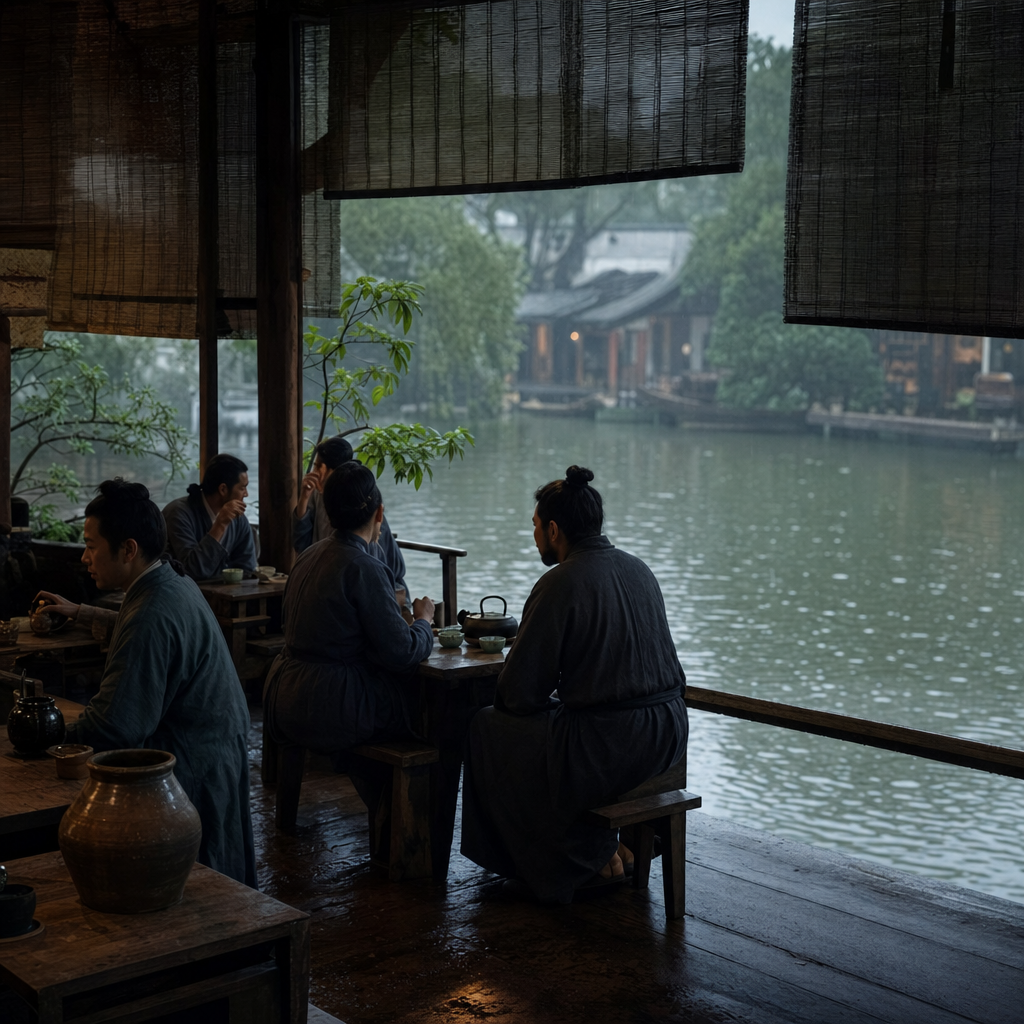
带我坐下的是茶肆里一个动作很轻的伙计。他把湿了一点的帘角往旁边拨开,又用布巾飞快擦了一下桌边,只说了一句“先暖手,再看茶”。我听完一下就笑了,因为这句话和我后来越来越喜欢的很多中国生活经验都很像:事情别急着理解,先让身体进到那个节奏里。果然,等我把手靠近那只温热的茶盏,听着窗外雨点一层一层敲到水面上,再抬头看对面的人慢慢把茶筅收回去,我才突然觉得宋代喝茶里那种“静”不是装出来的。它是被动作一步一步养出来的。
The attendant who seated me moved lightly. He shifted aside one damp corner of the hanging curtain, wiped the table edge quickly with a cloth, and said only one sentence: warm your hands first, then look at the tea. I laughed immediately, because the line felt close to many Chinese habits I have come to love: do not rush to understand something; first let the body enter its rhythm. And indeed, once I brought my hands near the warm tea bowl, listened to the rain hitting the water outside layer after layer, and looked up to see the person across from me drawing the whisk back slowly, I suddenly felt that the quietness associated with Song tea culture was not staged. It was raised step by step through movement.
真正难学的不是点茶,是不慌 / The Hardest Thing to Learn Was Not Whisking Tea, but Not Hurrying
我原本以为最值得看的会是点茶本身。后来才发现,技术反而是比较容易看见的一部分,真正难学的是那种一点都不急着把事情做完的态度。有人把水壶提起来时,不会立刻倒;有人手已经摸到茶盏边,却还会先等桌上的另一只盏先被放稳。甚至说话也是这样,句子好像不是连着抢出来的,而是一句一句留着空当落下来。那一刻我明白,宋代茶桌上的秩序并不靠谁高声维持,它靠的是每个人愿不愿意把自己再慢下来一点。
At first I thought the most worthwhile thing to observe would be the whisking technique itself. Later I realized that technique is actually the easier part to see. What is harder to learn is the attitude that refuses to rush toward finishing anything. When someone lifts a kettle, the water is not poured immediately. When someone has already touched the rim of a bowl, he may still wait for another bowl on the table to settle first. Even speech works this way. Sentences do not come out fighting one another. They fall one by one with small spaces left between them. In that moment I understood that the order at a Song tea table was not maintained by anyone speaking loudly. It depended on whether each person was willing to slow down a little more.
对我这种外来者来说,这很新鲜。因为在很多地方,喝茶或喝咖啡早就变成“顺便做掉的一件事”。拿起来,喝两口,继续赶路。可宋代这种桌边气氛更像在提醒你:茶不是插在生活缝里的小动作,它本身就是一小段被单独留出来的生活。你若心已经往外跑了,再好的茶也留不住你;可如果你愿意在桌边先停稳,哪怕只是一盏普通茶,味道也会多出一层缓冲。
For an outsider like me, this felt new. In many places, tea or coffee has long become something done incidentally: pick it up, take two drinks, and keep moving. But the atmosphere around a Song table seemed to say something else. Tea is not a small gesture inserted into the cracks of life. It is itself a small piece of life deliberately set apart. If the mind has already run outside, even fine tea cannot hold you. But if you are willing to settle first at the table edge, then even an ordinary bowl carries an extra layer of quiet delay in its taste.
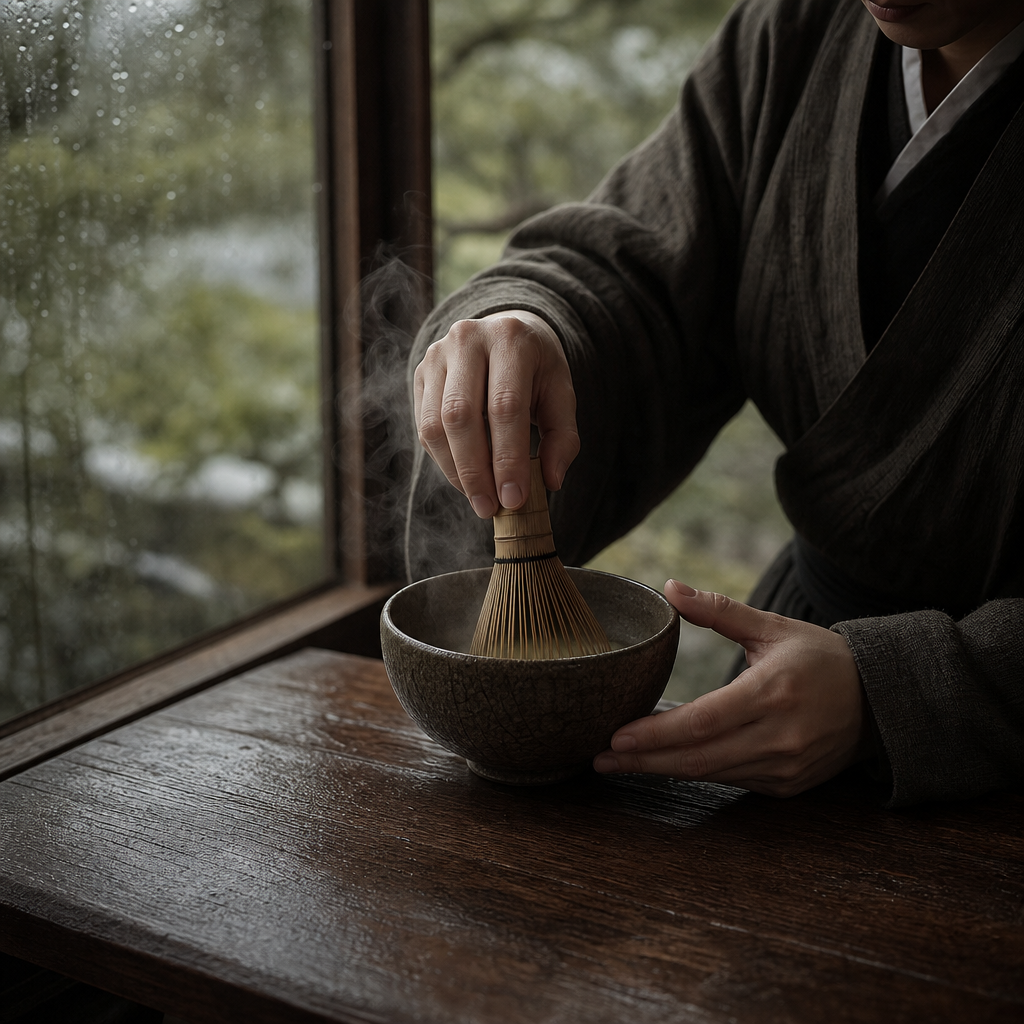
桌边真正重要的是给别人留一寸 / What Mattered Most Was Leaving a Small Margin for Others
后来我注意到,这种慢并不只是为了自己舒服。它其实还在给同桌的人留位置。有人把盏往前推时会推得很短,不会一下占掉中间;有人说到一半会停一下,让对面的人先把茶放下;就连添水的时候,也会稍微侧开手腕,不让热气直扑别人脸上。这些动作都很小,小到你若只拍一张照片根本拍不出来。但正是这些小动作,让一桌人待在一起时不挤,不乱,也不互相打断。
Later I noticed that this slowness was not only for personal comfort. It was also a way of leaving room for others at the table. When someone pushed a bowl forward, it was pushed only a short distance, never taking over the center at once. When someone spoke halfway through a thought, he might pause to let the person opposite finish setting down a cup. Even when adding water, the wrist turned slightly aside so that steam would not rush directly toward another face. All these gestures were tiny, too small to be captured in a single photograph. Yet these were exactly the gestures that kept a whole table from becoming crowded, confused, or interruptive.
这让我想起自己刚来中国时,对“礼貌”这个词一直理解得太表面。我总以为礼貌就是说对的话、用对称呼、记住一些规则。可后来我慢慢发现,中国很多真正高级的礼貌,其实都长在动作里。你让不让,等不等,抢不抢,碰到别人的节奏时是推过去还是让开一点——这些都比口头上说几句漂亮话更有分量。宋代茶桌之所以动人,也正因为它把这种礼貌练得特别细。
This reminded me how superficially I understood the word courtesy when I first arrived in China. I thought courtesy meant saying the right words, using proper forms of address, and remembering certain rules. But over time I discovered that much of the highest form of Chinese courtesy actually grows out of movement. Whether you yield or not, whether you wait or rush, and whether you push through another person's rhythm or give it a little space—these matter more than a few polished phrases. That is also why the Song tea table feels so moving. It refines this kind of courtesy into extraordinary detail.
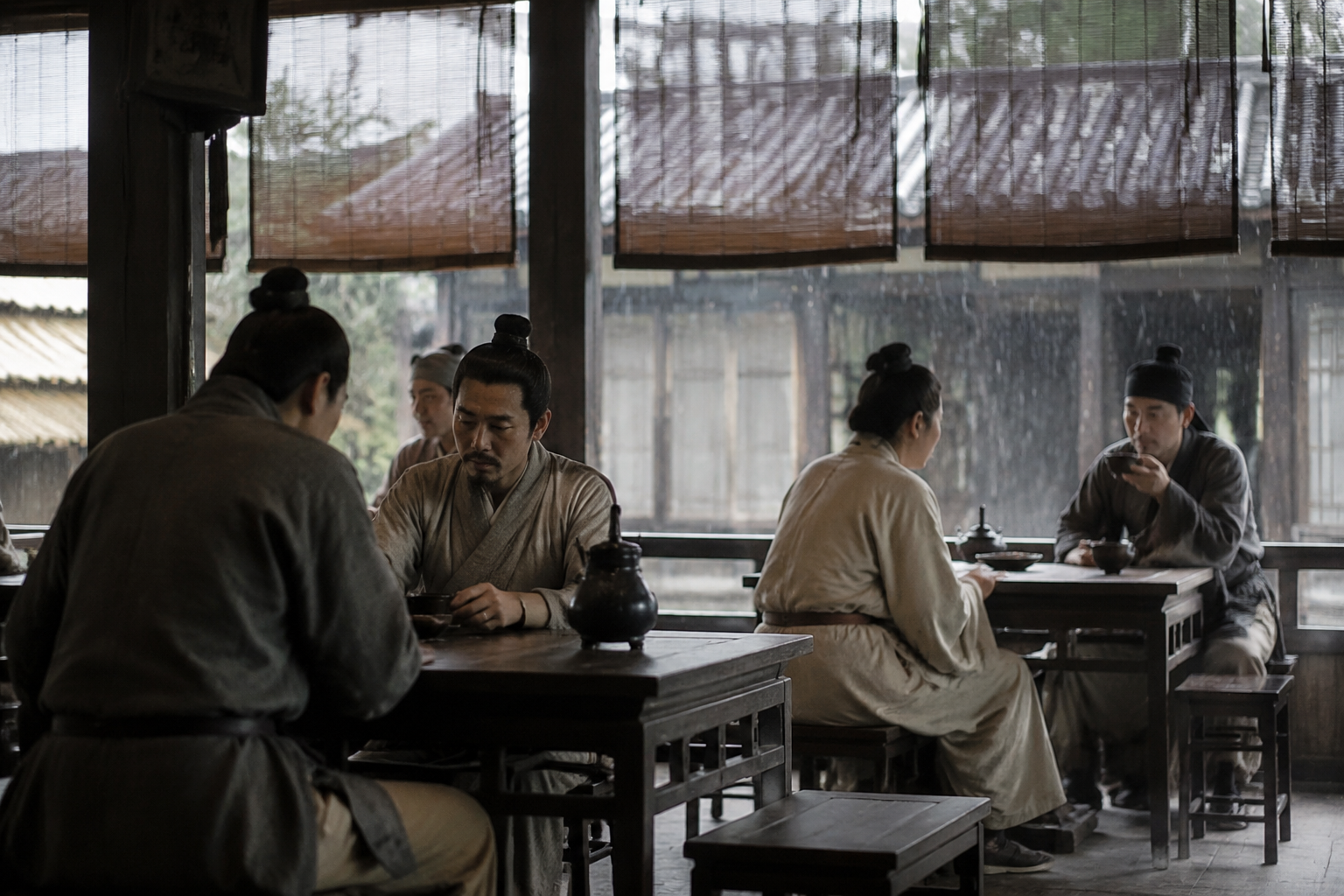
等雨小一点的时候,我准备起身离开。那位伙计没有催,也没有立刻来收桌,只是在我站起来后把盏轻轻移回原位。窗边的竹帘还带着湿气,外面的水面被雨脚打出一圈一圈细小的纹。我走到门口时突然明白,为什么我后来会一直记着这次茶肆经历。不是因为我记住了多少器名,也不是因为那天喝到了多贵的茶,而是因为我第一次真切地感到,宋代喝茶最难学的东西,不在盏里,而在桌边。它教人的不是怎么显得风雅,而是怎么把自己的动作放稳,再把别人也一起安放好。
When the rain weakened a little, I prepared to leave. The attendant did not rush me, and he did not come to clear the table immediately. He only moved the bowl gently back to its place after I stood. The bamboo curtain by the window still held moisture, and the rain on the water outside made one small circle after another. As I reached the doorway, I suddenly understood why I would keep remembering this tea-house visit. It was not because I had memorized the names of objects, and not because I had tasted some extremely expensive tea that day. It was because for the first time I felt clearly that the hardest thing to learn from Song tea culture is not inside the bowl, but at the table edge. What it teaches is not how to appear refined, but how to steady your own movements first and then make room for others to be settled as well.

- 在青岛,海不会一上来就把你征服,它先让你顺着坡和街区慢慢靠近 | In Qingdao, the Sea Does Not Conquer You at Once; It First Draws You Through Slopes and Streets
- 走进中国56个民族:旅行者的少数民族文化指南 | Exploring China's 56 Ethnic Groups: A Traveler's Guide to Minority Cultures
- 北京周边3日精华短线 | 3-Day Quick Getaway Around Beijing
- 中国凉菜:一桌好饭从凉菜开始 | Chinese Cold Dishes: Every Great Meal Starts Here
- 最值得购买的中国纪念品 | Best Chinese Souvenirs to Buy
- 在洛阳看牡丹之外:一座古都的日常层次 | Beyond Peonies in Luoyang: The Everyday Layers of an Ancient Capital
- 合肥路口那些半秒钟的互让,比任何介绍都更像城市说明书 | The Half-Second Acts of Yielding at Hefei Crossings Explain the City Better Than Any Guide
- 暑期汛期去旅行:那场山里暴雨教我的安全课 | A Mountain Rainstorm Taught Me the Real Safety Lesson of Summer Travel in China
- 青岛夜里最重要的准备,不在背包里,而在你肯不肯及时收住脚步 | The Most Important Preparation for a Qingdao Night Is Not in the Bag but in Knowing When to Slow Down
- 西部荒漠上的光伏海洋:中国新能源如何重塑大西北 | Oceans of Solar Panels in the Western Desert: How Renewable Energy is Reshaping China's West
Comments (0)