
我在武汉学会先看早餐店的节奏,再决定要不要排队 | In Wuhan I Learned to Read the Breakfast Rhythm Before Joining the Line
我在武汉学会先看早餐店的节奏,再决定要不要排队 | In Wuhan I Learned to Read the Breakfast Rhythm Before Joining the Line
武汉第一次真正把我叫醒的,不是闹钟,也不是江边的风,而是一家早餐店门口那条不断缩短又不断补上的队伍。那天早上七点多,空气里有一点热面汤和炸物混在一起的味道,路面还留着昨夜的潮气。我原本只是想找个地方随便吃点,可站到店门口之后,整个人一下子进入了判断状态:到底该不该跟着排,排这家值不值,队伍移动得快不快,店里有没有坐的位置,如果我端着热干面和豆浆站在门边,会不会挡到别人。以前我总把“排队吃早餐”想成纯美食问题,后来在武汉才明白,对外国人来说,它其实也是路线、体力、社交礼貌和节奏感的综合判断。
The first thing that truly woke me up in Wuhan was not an alarm clock and not the river breeze, but a breakfast line outside a small shop that kept shrinking and filling again. It was a little after seven in the morning, the air smelled of hot sesame noodles mixed with fried food, and the pavement still held some of the night’s dampness. I had originally wanted to grab something quickly, but the moment I stood in front of the shop, my whole attention shifted into judgment mode. Should I join this queue at all? Is this place worth the wait? Is the line moving fast? Are there seats inside? If I end up holding hot dry noodles and soy milk near the entrance, will I block other people? I used to think that lining up for breakfast was purely a food question. Wuhan taught me that for foreigners, it is also a combined judgment about route, energy, social etiquette, and rhythm.
我以前有一种很常见的旅行冲动:哪里人多就往哪里挤,生怕自己错过“最对的本地体验”。可真正住进中国城市几天之后,我越来越不相信这种自动反应。人多有时候代表好吃,有时候代表高效,但也可能只代表门面小、翻台快、附近上班族集中。武汉早餐尤其如此。热干面、面窝、糊汤粉、豆皮这些东西确实值得吃,可如果你在刚出地铁、还没完全清醒、背着包又手忙脚乱的时候,只看见长队就冲进去,体验很容易变成狼狈。我后来越来越认同通过小动作慢慢融入中国生活那种思路,也常想起把体力和路线管理放在前面的经验:先看节奏,再决定加入,是更稳的做法。
I used to have a very common travel impulse: wherever I saw the biggest crowd, I pushed in, afraid of missing the “most correct local experience.” But after actually living in Chinese cities for several days at a time, I stopped trusting that reflex. A crowd sometimes means good food, sometimes efficiency, but it can also simply mean a tiny storefront, fast turnover, or a heavy concentration of office workers nearby. Wuhan breakfast is especially like that. Hot dry noodles, miànwō, fish soup noodles, and dòupí are absolutely worth trying, but if you rush into a long line right after leaving the metro, before you are fully awake, while carrying a bag and trying to organize yourself, the experience can quickly turn messy. I increasingly came to agree with the logic in integrating into daily life through small actions, and I often think of putting route and energy management first. Reading the rhythm before joining is the steadier choice.
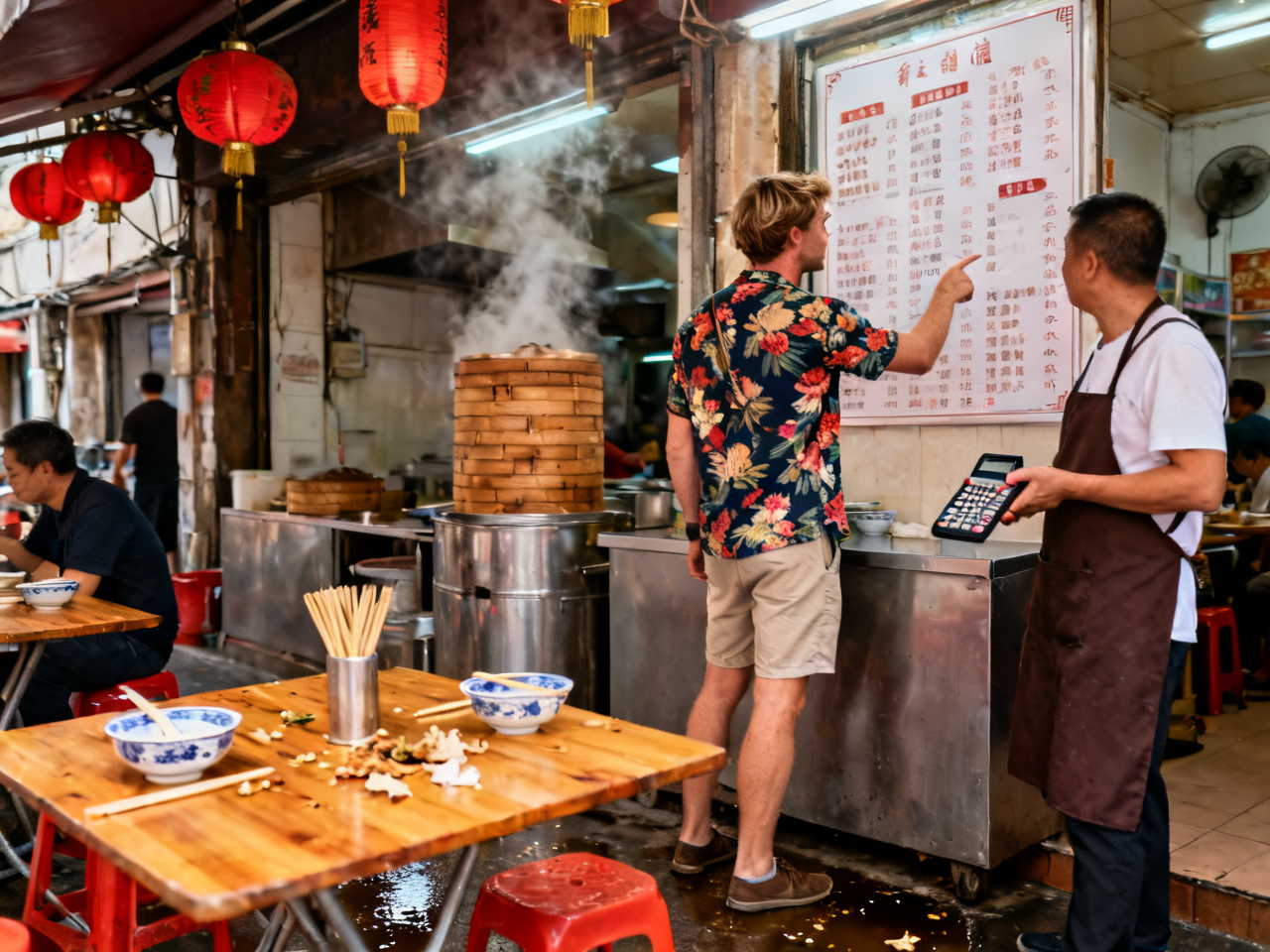
那天我没有立刻站进最长的那条队伍,而是先在路边慢慢看了差不多一分钟。我发现有些人是买了就走,有些人端着碗往旁边小桌迅速靠,还有一些明显是熟客,几乎不用犹豫就知道先拿什么、后拿什么。真正让我下决定的,不是“人很多”,而是队伍移动方式很干净:没有人堵在付款口反复问,没有人端着餐盘四处乱转,门口虽然热闹,但每个人都知道自己下一步该做什么。对我来说,这种秩序感比任何榜单都更可靠。尤其在中国早餐场景里,速度常常不是压迫,而是一种大家共同熟悉的流程。你只要先读懂它,就不会被它吓到。
That morning I did not step into the longest queue immediately. I stood at the side of the road and watched for about a minute first. I noticed that some people bought food and left at once, some carried their bowls quickly toward a few small side tables, and some were clearly regulars who knew exactly what to take first and what to take second. What finally made me decide was not simply that the place was crowded. It was that the movement of the queue was clean. No one blocked the payment point with repeated questions, no one wandered around with a tray looking lost, and although the entrance was lively, everyone seemed to know their next move. For me, that sense of order is more reliable than any recommendation list. Especially in Chinese breakfast scenes, speed is often not pressure. It is a process that everyone else already understands. Once you read it first, it stops feeling intimidating.
等我真正站进去之后,我也学会了一个很小但特别有用的动作:先观察别人拿托盘、付钱、找座位的顺序,再模仿,不急着表现自己“已经懂了”。武汉早餐店不像很多咖啡馆那样一步一步给你清楚指令,它更像一个默认大家都熟悉规则的小系统。对本地人来说这当然没问题,但对第一次来的人,尤其是外国人,最容易紧张的就是怕自己挡路、怕开口太慢、怕付钱时把后面一串人都拖住。有一次我差点端着碗站错地方,还是前面一位阿姨顺手给我让出一个角落。我那一刻特别清楚地感觉到,很多适应并不是“突然学会”,而是你愿意先承认自己还在读规则。
Once I actually joined the line, I learned one small but extremely useful action: watch the order in which other people pick up trays, pay, and find a seat, then imitate it without rushing to perform that I already understand everything. Wuhan breakfast shops are not like many cafés where each step is explained clearly. They function more like a small system that assumes everyone already knows the rules. For locals, that is no problem. For first-time visitors, especially foreigners, the most common tension is fear of blocking others, speaking too slowly, or delaying a whole chain of people while paying. Once I nearly stood in the wrong place holding my bowl, and an older woman in front of me casually opened a little corner for me. In that moment I understood very clearly that adaptation often does not mean suddenly mastering a place. It means being willing to admit that you are still reading its rules.
后来我给自己总结了几个很具体的早餐判断标准。第一,看队伍是不是“往前走”而不是“原地乱”。第二,看吃完的人离开是不是流畅,这能说明空间设计和翻台压力。第三,看付款区是不是容易理解,如果每个人都停顿很久,那我通常不会选。第四,看自己当天状态,如果我已经很累、很饿、很热,就不硬追最火的店,而是优先选一个步骤清楚的地方。第五,看周边有没有能补水、能坐一下、能重新整理背包的节点。中国城市里真正好用的早餐选择,往往不只是好吃,还得让你吃完之后能顺利进入下一段行程。这种思路和学会自然求助、以及在中国用小动作建立稳定感的经验其实是连着的。
Later I summarized a few very concrete breakfast judgments for myself. First, is the line actually moving forward rather than just stirring in place? Second, do people who finish eating leave smoothly? That reveals a lot about the space and turnover pressure. Third, is the payment area easy to understand? If every customer pauses for a long time there, I usually skip the place. Fourth, what condition am I personally in that day? If I am already tired, hungry, and overheated, I do not chase the hottest shop. I choose one with a clearer process. Fifth, are there nearby places where I can buy water, sit down briefly, or reorganize my bag? In Chinese cities, the most useful breakfast choice is rarely just the tastiest one. It is the one that lets you enter the next stage of the day smoothly afterward. This way of thinking connects naturally with learning to ask for help naturally and building steadiness through small actions in China.
有一次我为了赶去昙华林,贪图一家“网上特别红”的早餐店,结果排队时太阳已经上来,门口又没有任何能靠的地方。我端着豆浆站了二十多分钟,最后吃的时候已经有点烦躁,整个人也比预想中更累。那次之后我开始接受一件很现实的事:并不是每一顿都值得用体力去换名气。尤其在中国旅行,城市信息密度本来就高,如果连早餐都把自己搞得太紧,后面一天的判断力很容易一起下滑。武汉让我学会的,不只是热干面怎么拌,而是怎样在一个高效的本地节奏里,给自己保留一点从容。
Once, because I wanted to hurry toward Tanhualin, I chased a breakfast place that was supposedly extremely famous online. By the time I had been standing in line for more than twenty minutes, the sun was already up, there was nowhere to lean, and I was holding soy milk while growing increasingly irritated. By the time I finally ate, I was more tired than I had expected. After that, I accepted something very practical: not every meal is worth trading physical energy for reputation. Especially when traveling in China, the information density of the city is already high. If breakfast itself leaves you too strained, your judgment for the rest of the day often drops with it. What Wuhan taught me was not only how to mix hot dry noodles properly. It taught me how to preserve a little composure for myself inside a very efficient local rhythm.
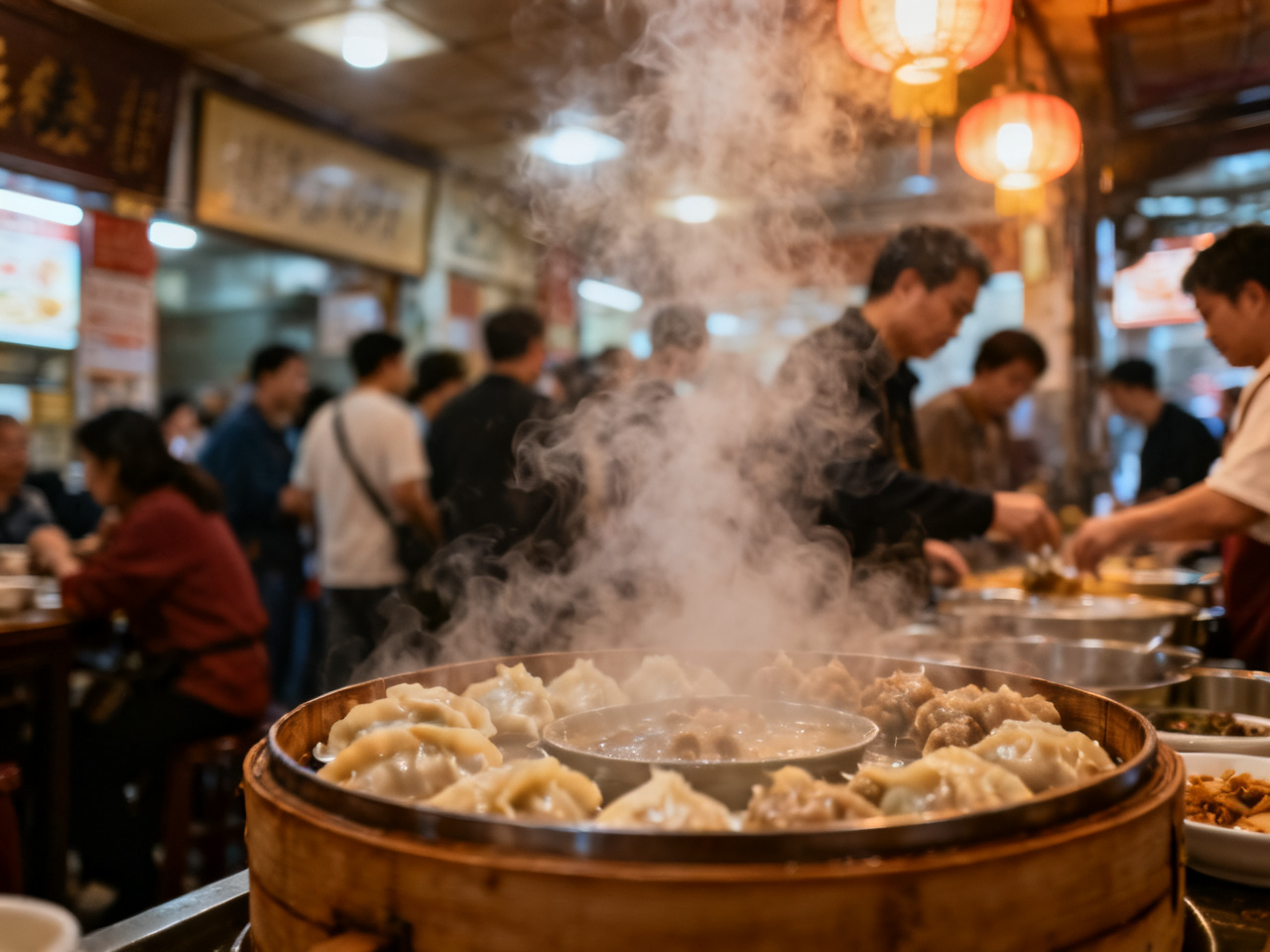
那天后来我端着一碗热干面站到店外一张很窄的小桌边,旁边有人喝豆浆,有人低头看手机,有人已经吃完准备去上班。芝麻酱的香味很厚,面条拌开以后带一点热气往脸上扑,我忽然觉得,自己真正记住的不是“这家是不是最火”,而是我终于学会先读懂一顿早餐的速度。对外国人在中国旅行这件事来说,这种能力比背多少攻略都更有用。因为当你能看懂一条队伍的节奏,你通常也更能看懂这座城市接下来会怎么运转。
Later that morning I stood outside with a bowl of hot dry noodles at a very narrow little table. One person beside me was drinking soy milk, another was looking down at a phone, and someone else had already finished and was getting ready for work. The smell of sesame paste was thick, and when I mixed the noodles, the heat rose lightly into my face. I suddenly felt that what I would really remember was not whether this was the most famous shop. It was the fact that I had finally learned how to read the speed of a breakfast scene before entering it. For foreigners traveling in China, that ability is more useful than memorizing endless guide tips. Once you can read the rhythm of a queue, you can usually read much more of how the city itself is about to move.
- 贵阳晚饭最先把人叫醒的,往往不是招牌菜,而是那口酸汤 | In Guiyang, What Wakes You at Dinner Is Often Not a Signature Dish but the Sour Broth
- 旗袍:中国经典服装 | Qipao: The Iconic Chinese Dress
- 那些把中国拍得像特效片的博主,真正厉害的是懂得怎么给震撼留空拍 | The Creators Who Film China Like Special Effects Know How to Leave Space Between the Shocks
- 免签来中国前,我把这张“入境准备清单”发给了朋友 | Before Coming to China Visa-Free, I Sent This Entry Checklist to a Friend
- 我在上海地铁早高峰里学会先站稳再看地图 | In Shanghai Morning Rush Hour, I Learned to Stand Still Before Reading the Map
- 在泉州老城听见海风的回声 | Hearing the Sea Wind in Quanzhou's Old Town
- 在地铁口停好共享单车那一刻,我才明白锁车并不等于结束 | The Moment I Properly Parked a Shared Bike Outside the Metro, I Understood That Locking It Is Not the End
- 木版年画体验:我第一次在一张纸上看见“过年”被印出来 | Woodblock New Year Print Experience: The First Time I Saw New Year Spirit Printed onto Paper
- 我在重庆磁器口边走边吃陈麻花:现金和扫码怎么备份 | Walking and Snacking in Ciqikou, Chongqing: Payment Backup Plan
- 一碗面能走多远:从兰州到潼关,西北人用面食丈量土地 | How Far Can a Bowl of Noodles Take You: Measuring the Northwest by Wheat
Comments (0)