
在中国夜间抵达后,我怎样判断回酒店的路最稳妥 | How I Judge the Safest Way Back to My Hotel After Arriving Late in China
在中国夜间抵达后,我怎样判断回酒店的路最稳妥 | How I Judge the Safest Way Back to My Hotel After Arriving Late in China
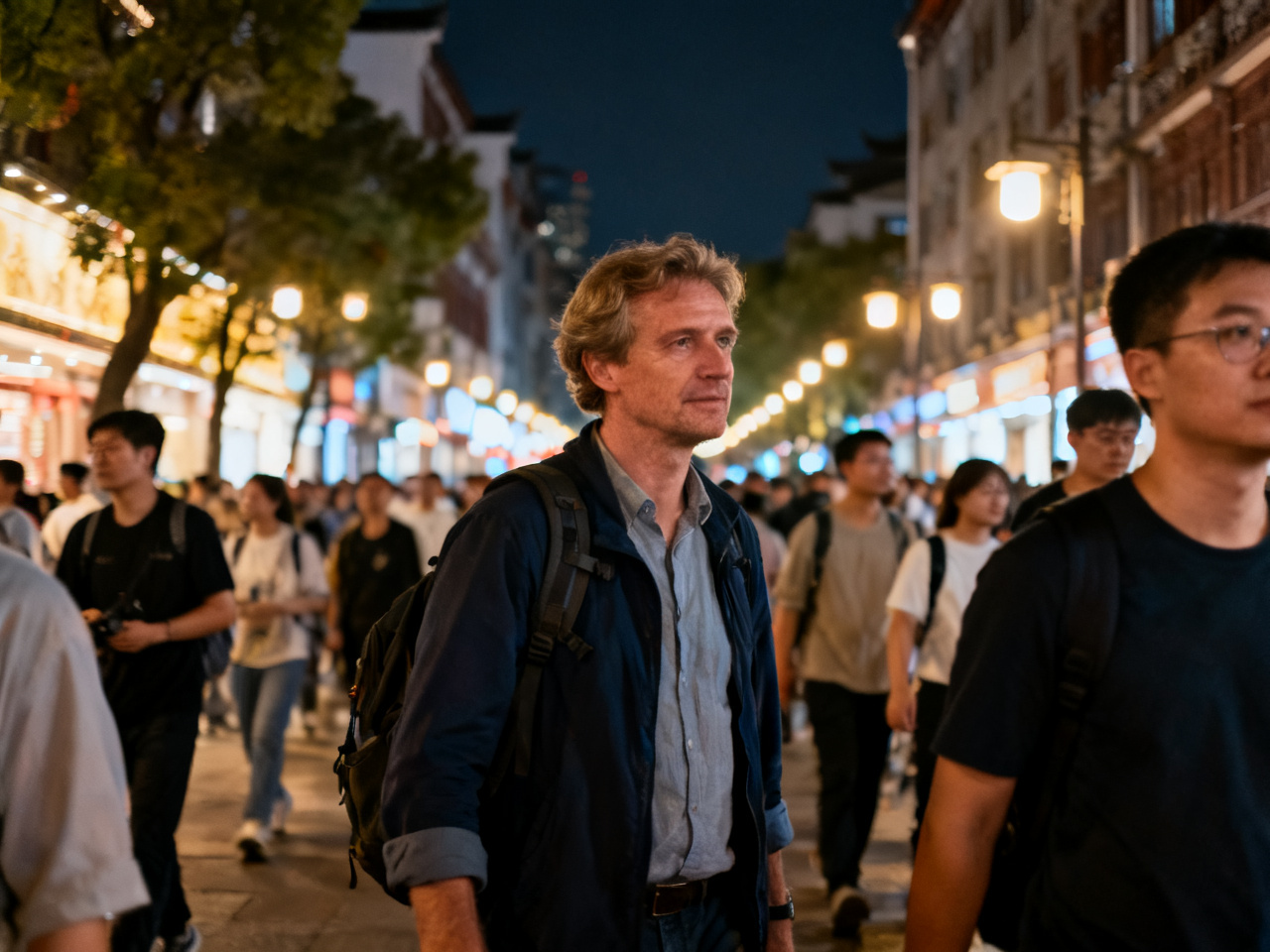
我在德国长线旅行结束前,最容易掉以轻心的时刻往往不是出发,而是晚上十点以后抵达中国另一座城市。夜里到站会把很多问题放大:手机剩余电量不多、街道判断信息减少、出租车排队节奏更快、我也更容易因为疲惫而做出草率决定。以前我在欧洲旅行时,通常凭直觉和路感就能做出选择;但在中国,我很快意识到,夜间移动不是逞强的时候,而是要靠流程保护自己的时候。
I am from Germany, and toward the end of a long trip, the moment when I am most likely to let my guard down is often not departure but arriving in another Chinese city after ten at night. Late arrivals magnify many issues: my phone battery may be low, visual cues on the street are reduced, taxi lines move faster, and I am more likely to make rushed decisions because I am tired. In Europe, I often relied on intuition and street sense. In China, however, I quickly realized that nighttime movement is not the time to act brave. It is the time to let process protect you.
我后来给自己定了一个简单规则:晚上到陌生城市后,优先选择“信息更完整”的路线,而不是“理论上更便宜”或者“地图上看起来更近”的路线。所谓信息更完整,是指我能确认入口位置、平台编号、营业时间、站内换乘逻辑,以及到达后步行段是不是明亮、有人流、容易识别。夜间出行真正消耗人的,不一定是多花的那十几元,而是每一个不确定的拐点。
I later gave myself a simple rule: after arriving in an unfamiliar Chinese city at night, I should choose the route with more complete information, not the one that is theoretically cheaper or looks shorter on the map. By “more complete information,” I mean that I can confirm the entrance location, platform number, operating hours, transfer logic inside the station, and whether the final walking section is well lit, populated, and easy to identify. What really drains a traveler at night is not always the extra ten or twenty yuan, but every uncertain turn.
有一次我深夜到达重庆北站,酒店直线距离不远。地图显示,地铁换乘后只需要再走八分钟。我白天也许会毫不犹豫地这么做,但那天我看了酒店周边街景和评论后,发现最后一段路要经过一段坡道和施工围挡,凌晨人少,而且入口标识不明显。于是我改成了站内上车点更清晰的网约车方案。结果车程只有十分钟,但它替我省掉了在陌生坡道上拖着行李寻找入口的压力。那一晚我真正买到的不是交通服务,而是确定性。
Once I arrived late at Chongqing North Railway Station, and my hotel was not far in straight-line distance. The map showed that if I took the metro and then walked, the final walk would be about eight minutes. During the daytime, I might have done it without hesitation. But after checking the hotel surroundings and reviews, I realized that the last section required passing a sloped road and construction barriers, with fewer people around after midnight and an entrance that was not clearly marked. So I changed to a ride-hailing option with a more clearly defined pickup point inside the station. The ride took only about ten minutes, but it saved me from dragging luggage through an unfamiliar slope while searching for the entrance. That night, what I really paid for was not transportation. It was certainty.
在中国旅行后,我越来越相信一件事:安全判断常常不是“避开一切风险”,而是“提前识别哪种风险最影响你”。对我来说,夜间最大的风险不是遇到戏剧化的危险,而是因为疲劳、语言切换和判断负担叠加,导致自己把一个小问题处理成大问题。比如为了省一点钱而反复横穿站前广场,或者为了追求最快路线而走进照明不足的近路。很多时候,最稳妥的选择看上去没有那么聪明,却最适合真实的人类状态。
After traveling in China, I came to believe something strongly: safety judgment is often not about avoiding all risk, but about recognizing which kind of risk affects you most. For me, the biggest nighttime risk is not a dramatic threat. It is the accumulation of fatigue, language switching, and decision load that turns a small problem into a larger one. For example, crossing a station square multiple times to save a little money, or taking a dim shortcut just because it looks fastest. Very often, the safest choice does not look clever. It simply matches the reality of being a tired human being.
我会在到达前做三层准备。第一层是路线预演:把从站台到酒店门口分成几段,分别确认。第二层是失败预案:如果地铁末班赶不上、如果网约车点找不到、如果酒店入口太隐蔽,我分别怎么办。第三层是语言预设:我会提前把酒店中文名、地址、附近地标、以及“请送我到这个入口”存进备忘录。这样到了现场,我不需要临时组织复杂句子,只需要展示关键信息。
Before arrival, I prepare on three levels. The first is route rehearsal: I split the journey from the platform to the hotel entrance into stages and confirm each one. The second is fallback planning: what I will do if I miss the last metro, if I cannot find the ride-hailing pickup point, or if the hotel entrance is too hidden. The third is language preparation: I save the hotel’s Chinese name, address, nearby landmarks, and the phrase “Please take me to this entrance” in my notes. That way, once I arrive, I do not need to build complicated sentences on the spot. I only need to show key information.
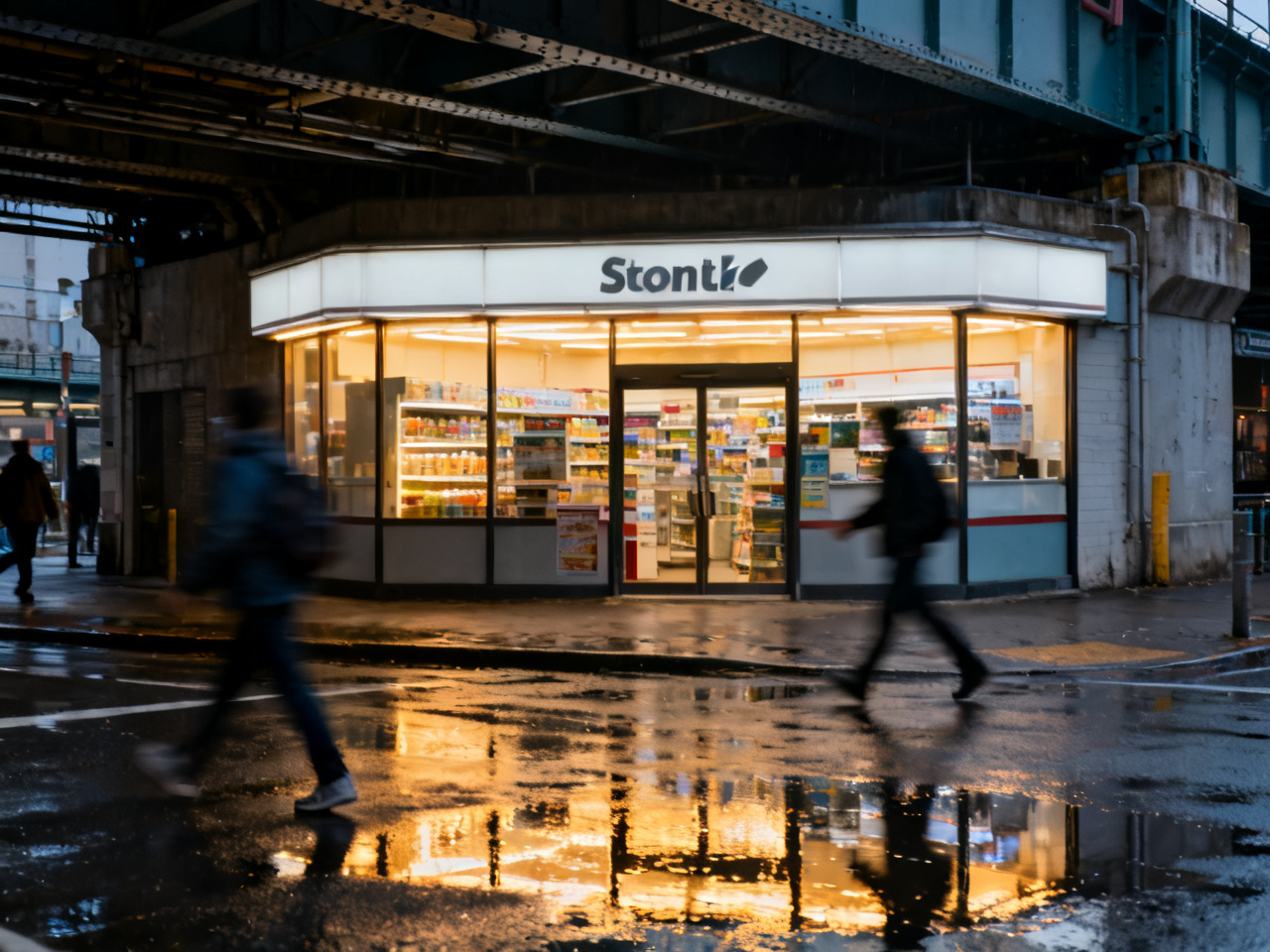
我在西安也有过一次相反的经验。那次我太相信地图上的步行时间,结果从地铁口出来后发现,导航没有告诉我地面层级变化。我拖着箱子绕了两个扶梯口,看到几条看起来都像正确方向的通道,心里开始急。后来我停下来,先走进便利店买水,同时向店员确认酒店最近的出口。这个动作帮我重新稳定下来。我后来明白,夜间判断的一条关键原则是:当你对方向的把握下降时,先进入一个明亮、有人、可停留的节点,重新整理信息,而不是边走边猜。
I had the opposite experience once in Xi’an. I trusted the walking time shown on the map too much, but after exiting the metro I discovered that the navigation had not explained the change in street levels. I dragged my suitcase around two escalator areas and saw several passageways that all looked possibly correct. I started to feel rushed. Then I stopped, walked into a convenience store to buy water, and asked the staff which exit was closest to my hotel. That small action stabilized me again. Later I understood an important nighttime principle: when your confidence in direction drops, first move into a bright, populated place where you can pause and reorganize information, instead of continuing to guess while walking.
这些经验后来让我形成了一套很实用的夜间到达标准。
These experiences gradually turned into a practical standard for nighttime arrivals.
- 如果步行段超过十分钟,我会额外检查照明、坡度和是否需要穿过大路口。
- If the walking segment is longer than ten minutes, I also check lighting, slope, and whether I need to cross major intersections.
- 如果到达时间接近地铁末班,我优先选择更稳定的方案,不拿“正好赶上”当计划。
- If my arrival is close to the last metro, I choose the more stable option and do not treat “just making it” as a plan.
- 如果酒店入口在巷子里,我会提前保存门头照片或附近明显招牌。
- If the hotel entrance is inside a lane, I save a photo of the storefront or a nearby visible sign in advance.
- 如果现场开始慌乱,我先停下,找一个明亮节点,再继续判断。
- If I begin to feel rushed on site, I stop first, move to a bright node, and then continue judging.
中国的交通系统整体非常高效,这反而让我学会更谨慎地使用效率。不是每一条更快的路线都适合深夜疲惫的外国旅客,也不是每一次“我应该能搞定”都值得验证。每当我重新读 高铁到站后的路线组织、酒店周边判断方法 和 深夜交通衔接经验 这几类文章时,我都会提醒自己:真正成熟的旅行,不是让自己看起来很大胆,而是让自己在最累的时候依然能做出稳妥决定。
China’s transport system is highly efficient overall, and that very efficiency has taught me to use speed more carefully. Not every faster route is suitable for a tired foreign traveler at night, and not every “I should be able to handle this” is worth testing. Whenever I reread articles like experiences with late-night transport connections, methods for judging hotel surroundings, and how to organize your route after leaving a high-speed rail station, I remind myself of one thing: mature travel is not about looking fearless. It is about still making steady decisions when you are most tired.
- 在成都看川剧,不踩坑的门道都在这 | How to Watch Sichuan Opera in Chengdu Without Tourist Traps
- 围炉而坐,这顿饭没有终点 | The Meal That Never Ends: China's Hot Pot Ritual
- 沈阳的雨刚收住,街边烧烤味就把傍晚重新点亮了 | As Shenyang’s Rain Let Up, the Smell of Street Barbecue Lit the Evening Again
- 我在杭州小馆里第一次听懂“清淡一点” | In a Hangzhou Eatery, I Finally Understood “A Little Lighter”
- 西街到古港的慢行课:在泉州听见海风 | A Slow Walk from West Street to the Ancient Port in Quanzhou
- 夏季避暑胜地:高原与海岛 | Summer Escapes: Plateaus & Islands
- 旗袍:中国经典服装 | Qipao: The Iconic Chinese Dress
- 茶国度如何爱上咖啡 | How a Tea Nation Fell for Coffee
- 中国饮品文化:从功夫茶到网红奶茶 | Chinese Drink Culture: From Kung Fu Tea to Viral Milk Tea
- 七月去青岛,我才真正学会用「反方向」看海边城市 | I Only Understood Qingdao in July After Learning to Use a Seaside City Backwards
Comments (0)