
我在成都学会把夜间抵达拆成一连串小判断 | In Chengdu I Learned to Break a Night Arrival into Small Judgments
我在成都学会把夜间抵达拆成一连串小判断 | In Chengdu I Learned to Break a Night Arrival into Small Judgments
我以前总把夜里抵达一座新城市想得很戏剧化,好像只要太阳下山,陌生感、风险和疲惫就会一起放大。第一次晚上到成都之前,我也带着这种预设:机场会不会太乱,地铁会不会停运,打车会不会沟通困难,酒店门口会不会不好找。可真正改变我的,并不是某一个惊险瞬间,而是一个很朴素的发现:只要把“夜间抵达”拆成足够小的动作,很多原本模糊的担心都会变成可以判断、可以处理的问题。机场、取行李、查看交通、出站、找酒店,每一步都不是神秘考验,而只是下一个清楚的小节点。
I used to imagine arriving in a new city at night as something dramatic, as if darkness automatically enlarged strangeness, risk, and fatigue all at once. Before my first late arrival in Chengdu, I carried exactly that expectation: would the airport be chaotic, would the metro stop running, would taxi communication be difficult, would the hotel be hard to find? What changed me in the end was not some thrilling event. It was a simple discovery: once I broke a night arrival into small enough actions, many vague worries became concrete problems that could be judged and handled. The airport, baggage claim, checking transport, leaving the station, and finding the hotel were not mysterious tests. They were just a sequence of clear next steps.
那趟行程发生在初秋。我走出机舱时已经接近晚上十点半,空气里有一点潮意,行李转盘旁边的人都比白天安静。以前在这种时间落地,我很容易因为怕出错而急着做决定,比如一到到达层就立刻叫车,或者看见一个出口就赶紧往外冲。那天我提醒自己先不要急着动,先做三件事:确认酒店地址的中文版本,确认手机电量和网络,确认我打算使用的交通方式是否还在运营。这个顺序看起来一点也不精彩,却几乎立刻让我的心跳慢下来。我也突然理解了,很多旅行里的安全,并不来自“我反应快”,而来自“我不让自己在疲惫的时候做多余判断”。
That trip happened in early autumn. When I stepped off the plane, it was already close to 10:30 p.m. The air felt slightly damp, and people around the baggage carousel were quieter than they would be during the day. In the past, arriving at this hour often made me rush decisions because I was afraid of making mistakes. I would call a car the moment I reached arrivals, or hurry toward the first exit I saw. That night I told myself not to move too quickly. First, do three things: confirm the hotel address in Chinese, confirm my battery and data connection, and confirm whether the transport option I planned to use was still operating. The order was not exciting at all, but it lowered my pulse almost immediately. I also understood something important: a lot of travel safety does not come from reacting fast. It comes from refusing to force extra decisions when I am already tired.
我后来越来越相信,外国人在中国夜里顺利抵达,并不是靠胆子大,而是靠流程感。这个逻辑其实和第一次带长辈把落地节奏放顺的经验很像,也和学会在中国用小动作建立融入感里提到的思路一致。你越想在压力里临时变得特别聪明,越容易做出不稳定的选择。相反,只要老老实实依赖现场标识、公开交通信息和自己提前准备好的截图,很多夜间风险其实都会下降。
I have increasingly come to believe that a foreigner arriving smoothly in China at night depends less on courage than on process. The logic is very close to keeping the first arrival rhythm smooth for older family members, and it also matches the idea in building integration through small daily actions in China. The more you try to become unusually clever under pressure, the more unstable your choices tend to be. By contrast, if you honestly rely on station signs, public transport information, and the screenshots you prepared in advance, many nighttime risks become much smaller.
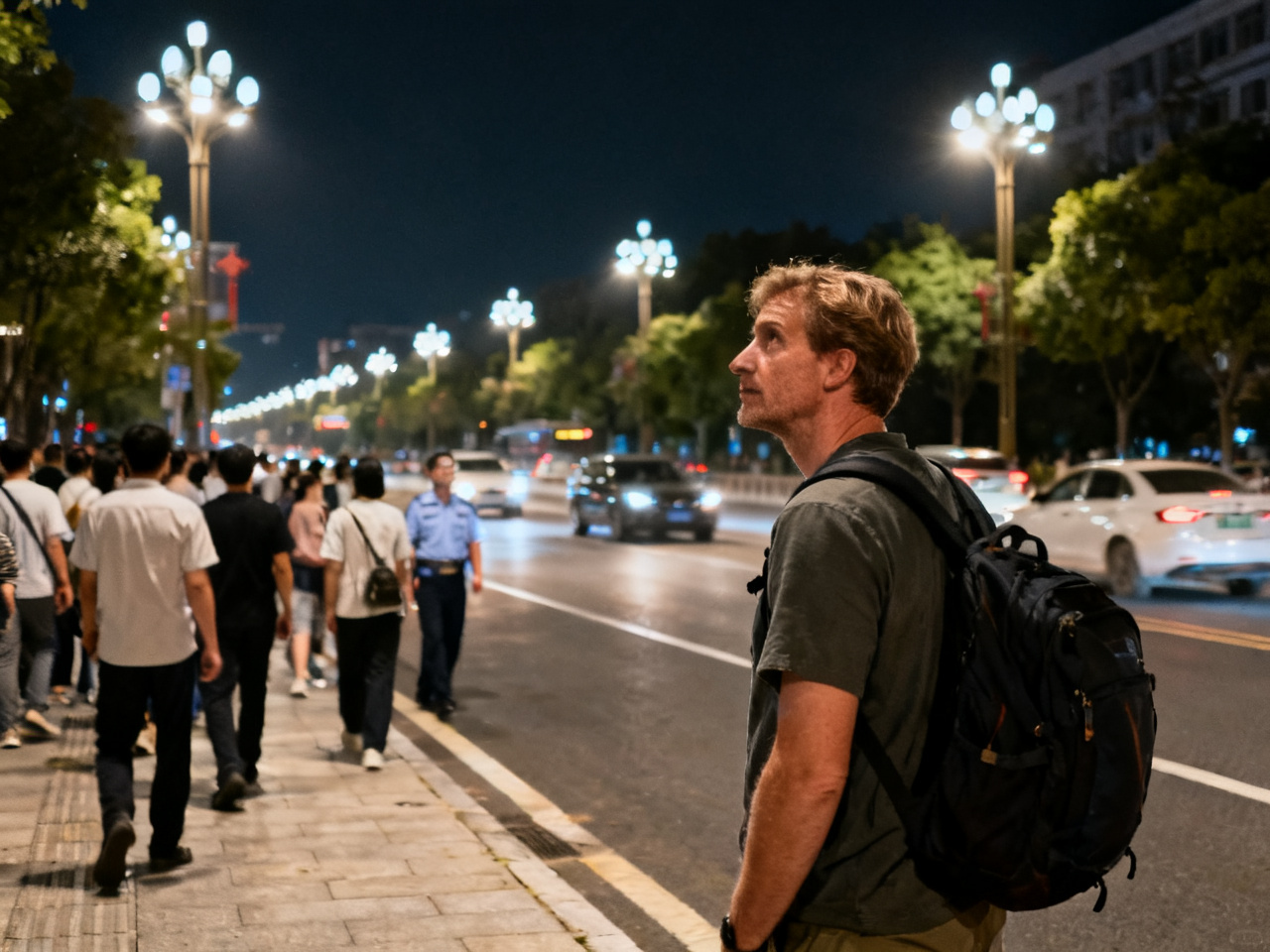
那天我最后没有一出机场就打车,而是先看去市区的轨道交通还赶不赶得上。不是因为打车一定不安全,而是因为我知道,刚下飞机时我的脑子还没完全进入状态,更适合走信息更公开、路径更固定的方式。站名、方向、换乘箭头、出口编号,这些公开信息会帮我分担一部分判断压力。等我坐进车厢,看着窗玻璃里自己的倒影时,我第一次觉得夜间抵达不是在和一座城市搏斗,而是在学会和这套城市系统合作。这种感觉,对第一次在中国独自旅行的人尤其重要,因为它会把“我会不会搞砸”慢慢变成“下一步该怎么走”。
That night I did not call a car immediately after leaving the airport. I first checked whether the rail link into the city was still available. It was not because taxis are automatically unsafe. It was because I knew that right after a flight, my brain was not fully settled yet, and I was better off choosing the option with more public information and a more fixed path. Station names, directions, transfer arrows, and exit numbers all carry some of the decision-making load for you. Once I sat inside the carriage and saw my reflection in the window, I felt for the first time that a night arrival was not a battle against a city. It was an exercise in cooperating with an urban system. For someone traveling alone in China for the first time, that feeling matters a lot, because it slowly turns “what if I mess this up” into “what is the next step?”
当然,依赖流程并不等于盲目乐观。我在一个换乘口差点跟着人群走错方向,因为大家都往前,我也下意识往前。后来我看到出口编号不对,立刻停下来重新看墙上的图,才发现自己差一点就走反了。我很庆幸那一刻没有为了面子硬撑。中国很多大型交通枢纽其实把信息写得很清楚,只是人在疲惫的时候更容易相信人流,而不是标识。所以我后来给自己定了一条规则:夜里判断路线时,不要只信“别人都往这边走”,要信你自己手里的地址、站名和出口编号。这个习惯比所谓的胆量实用得多。
Of course, relying on process does not mean blind optimism. At one transfer point, I almost followed the crowd in the wrong direction because everyone else was moving forward and I started doing the same automatically. Then I noticed the exit number was wrong, stopped, and checked the wall map again. I realized I had nearly gone the wrong way. I was grateful that I did not fake confidence for the sake of pride. In many large Chinese transport hubs, the useful information is actually written very clearly. The problem is that tired people trust crowd movement more than signs. So I made a rule for myself afterward: when judging a route at night, do not trust only the fact that everyone seems to be going one way. Trust the address, station name, and exit number in your own hand. That habit is far more useful than courage.
到了酒店附近,我也没有从最近的出口冲出去。那一带我不熟,虽然灯光很亮,但侧街分岔不少。我先站在地铁口边上看了差不多一分钟,确认哪条路人更多、哪边商铺还开着、地图上的酒店门头大概朝哪一面。过去的我会觉得这像在浪费时间,现在我知道那其实是在给自己买清晰度。真实的安全感,很多时候不是因为我走得更快,而是因为我给自己争取了一个更清楚的判断窗口。这和在中国街头做日常安全判断的思路特别接近:不要追求无所不能,要学会识别哪些环境本身就在支持你。
When I reached the area near my hotel, I still did not rush out through the nearest exit. I did not know the neighborhood, and although the lights were bright, the side streets branched in several directions. I stood near the metro exit for about a minute and checked which road had more people, which side still had open shops, and which direction the hotel entrance likely faced on the map. The older version of me would have called that a waste of time. Now I know it was really a purchase of clarity. Real safety often comes not from moving faster, but from giving myself a clearer judgment window. This is very close to the logic in making everyday safety judgments on Chinese streets: do not aim to seem all-capable; learn to identify which environments are already supporting you.
如果你也常常会在中国夜里抵达新城市,我现在会给你几个特别具体的建议。第一,酒店地址一定保存中文版本,最好还有截图,因为夜里网络波动时,截图会比任何临时搜索都更可靠。第二,先判断公共交通是否仍在运营,再决定要不要打车,不要被疲惫和焦虑催着抢答。第三,出站以后先停几十秒,看看灯光、人流、商铺是否营业、出口编号是否一致。第四,如果你发现自己开始乱,就把问题拆小:我现在只需要找到正确出口,而不是同时解决整段路线。第五,抵达酒店后,如果附近还有便利店或亮着的店铺,顺手熟悉一下周边,会让你第二天早上轻松很多。
If you also arrive in Chinese cities at night, I now have a few very concrete suggestions. First, always save the hotel address in Chinese, ideally with a screenshot, because when the network becomes unstable at night, screenshots are more reliable than any last-minute search. Second, check whether public transport is still operating before deciding whether to take a taxi instead; do not let fatigue and anxiety answer for you. Third, after leaving the station, pause for a few seconds and read the lighting, foot traffic, whether shops are still open, and whether the exit numbers match. Fourth, if you notice yourself getting scattered, shrink the problem: right now I only need to find the correct exit, not solve the entire route at once. Fifth, once you reach the hotel, take note of any convenience stores or bright open shops nearby, because that will make the next morning much easier.
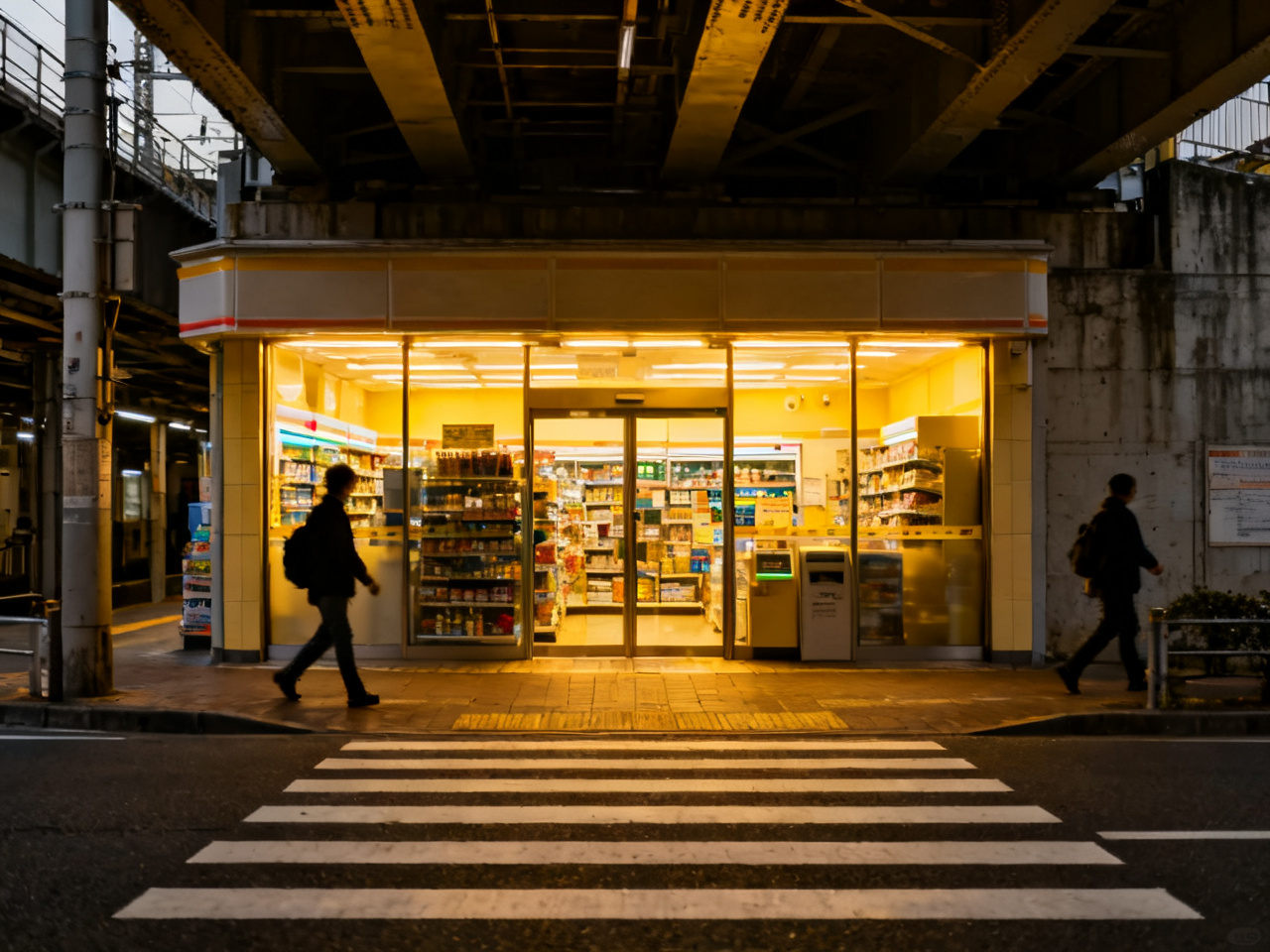
第二天早上我从酒店窗边往下看,前一晚那些让我反复确认的路口,在白天看起来都很普通。也正因为这样,我更珍惜那份夜里的谨慎。谨慎不是把城市想得可怕,而是承认自己在某个时段信息更少、精力更低,于是换一种更稳的走法。我觉得这正是外国人在中国慢慢建立信任感的一部分:不是装得无所畏惧,而是学会按场景调整速度。成都那次夜间抵达之后,我对中国城市的信任不是突然暴增的,而是一格一格长出来的。每确认一个站牌、每找到一个正确出口、每顺利完成一次入住,我都更清楚地知道,所谓安全,很多时候不过是把一个大问题拆成一连串小而清楚的判断。
The next morning, when I looked down from my hotel window, the intersections that had made me pause and check so carefully the night before looked completely ordinary in daylight. Precisely because of that, I valued my nighttime caution even more. Caution does not mean imagining a city as frightening. It means admitting that at certain hours I have less information and less energy, and therefore choosing a steadier way to move. I think this is part of how foreigners slowly build trust in China: not by acting fearless, but by learning to adjust speed to context. After that Chengdu arrival, my trust in Chinese cities did not surge all at once. It grew notch by notch. Each time I confirmed a station sign, found the correct exit, or completed a smooth hotel check-in, I understood more clearly that what we call safety is often nothing more mysterious than breaking one large problem into a series of small, clear judgments.
- 一根提线停在掌心时,我在泉州听见了海风 | When a Puppet String Rested in a Palm, I Heard the Sea Wind in Quanzhou
- 在贵阳换乘的三次支付,教我给旅途留一点现金 | Three Payments in Guiyang Taught Me to Keep Some Cash
- 西安兵马俑与古城墙全攻略 | Xi'an: Terracotta Army & Ancient City Wall
- 中国旅游必备App大全 | Essential Apps for Traveling in China
- 街头那碗热气,才是中国城市的真实体温 | Street Steam: The Real Pulse of Chinese Cities
- 云南古城最怕被一句“适合慢下来”说完,真正值钱的是慢下来以后怎么走 | Yunnan’s Old Towns Deserve More Than “Good for Slowing Down”; What Matters Is How You Move Once You Slow
- 成都出发的周末逃离:三条路线,三种节奏 | Weekend Escapes from Chengdu: Three Routes, Three Rhythms
- 我在重庆第一次学会先确认自己在哪一层,再决定往哪边走 | In Chongqing, I Learned to Confirm My Floor First Before Deciding Which Way to Go
- 在中国看病 | How to See a Doctor in China as a Foreigner
- 在景德镇看一只碗怎么出生:窑火、白粉和老师傅的手势 | Watching a Bowl Be Born in Jingdezhen: Kiln Fire, White Clay Dust, and a Master's Hands
Comments (0)