
我在北京学会别把最后一班地铁当成唯一计划 | In Beijing I Learned Not to Treat the Last Metro as My Only Plan
我在北京学会别把最后一班地铁当成唯一计划 | In Beijing I Learned Not to Treat the Last Metro as My Only Plan
北京是一座很容易让人把时间算得过满的城市。白天你会觉得景点之间虽然远,但地铁快、换乘清楚、晚一点也还能赶上;到了晚上,尤其是在看完演出、夜景或者和朋友吃完饭之后,人就会本能地继续把效率押在“我还能赶上最后一班地铁”这件事上。我以前也这样,觉得只要手机里有路线、腿还能走、时间看上去差十几分钟,就没什么可担心的。可后来有一晚从亮马桥一带回酒店时,我才真正学会:最后一班地铁可以是一个选择,但绝不能是唯一计划。对外国人来说,把回程完全押在一个临界时间点上,风险其实比白天大得多。
Beijing is a city that makes it very easy to overfill your schedule. During the day, you think the attractions are far apart but the metro is fast, transfers are clear, and even if you run late, you can still make it. At night—especially after a show, a city view, or dinner with friends—you naturally keep betting on one idea: “I can still catch the last metro.” I used to do exactly that. As long as I had the route on my phone, my legs still worked, and the time looked only ten or fifteen minutes tight, I assumed there was nothing to worry about. But one night, returning to my hotel from the Liangmaqiao area, I finally learned something else: the last metro can be one option, but it should never be your only plan. For foreigners, placing the whole return on a single deadline carries much more risk at night than it seems to during the day.
那天晚上其实没有任何戏剧性开头。只是饭后聊天拖长了几分钟,我出门时风有点冷,手机电量也比想象中低。地图显示如果我走快一点、换乘顺一点,理论上还能赶上最后一班车。以前的我大概就会立刻开始小跑,把一切希望都压在“理论上”。可那一次,我突然有点警觉:如果这条线晚点几分钟怎么办?如果我走错一个出口怎么办?如果到站以后才发现最后一班已经过去了怎么办?这些问题以前我也知道,却总是在临界时刻故意不去想。后来我发现,这种侥幸心理其实最消耗安全感。它和把安全感建立在日常细节上、以及在中国及时开口求助这些经验,恰好是反着来的。
That evening had no dramatic beginning at all. Conversation after dinner simply ran a few minutes longer than expected, the wind outside was a little cold, and my phone battery was lower than I had imagined. The map showed that if I walked quickly and transferred smoothly, I could theoretically still catch the last train. The older version of me would have started half-jogging immediately and placed all hope on that word, “theoretically.” But that night, I suddenly became alert. What if this line was delayed by a few minutes? What if I took the wrong exit? What if I reached the station only to discover that the last train had already passed? I had always known these questions existed, but at critical moments I usually chose not to think about them. Later I realized that this kind of hopeful denial erodes safety more than anything else. It runs opposite to ideas like building security from ordinary details and asking for help in time while traveling in China.
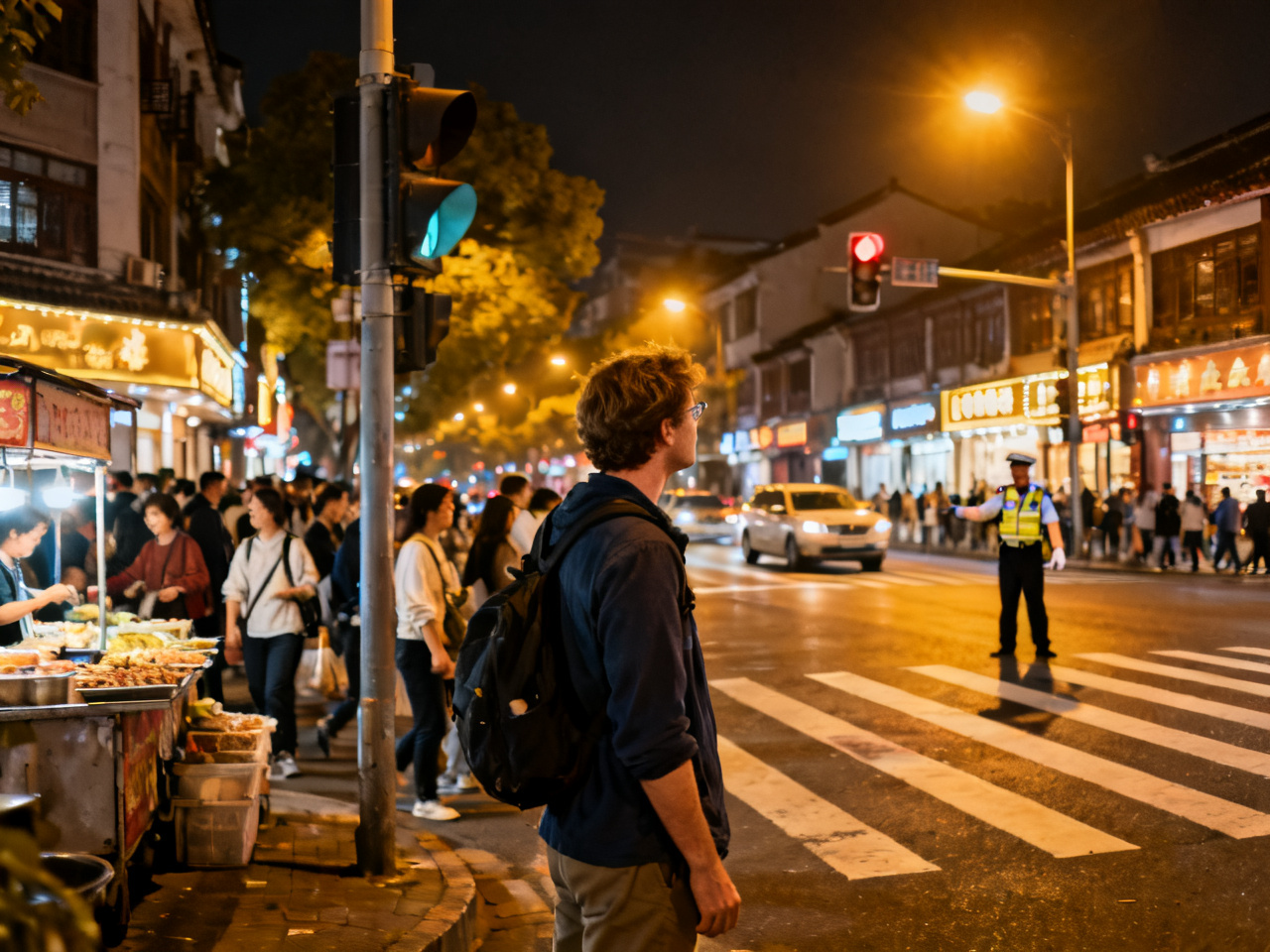
于是我第一次在夜里回程前,认真做了一个特别朴素的动作:在原地站定一分钟,把备选方案全部想清楚。我先确认最近地铁入口是不是还开着,再看如果赶不上最后一班,哪种打车点最容易找到、附近哪家便利店还亮着、酒店中文地址有没有截图、手机电量还能不能支撑一段叫车和联系。光是做完这一步,我的心就已经稳了一半。最后我确实赶上了那班地铁,但最重要的收获不是“还好赶上了”,而是我第一次不再把好运当成计划的一部分。
So for the first time before a late return, I performed a very plain action seriously: I stood still for one minute and thought through all backup options. I confirmed whether the nearest metro entrance was still open, checked where the easiest taxi pickup point would be if I missed the train, noticed which nearby convenience store was still lit, confirmed that I had a screenshot of the hotel address in Chinese, and judged whether my battery could support ride-hailing and contact if needed. Just completing that step steadied me by half. In the end, I did catch the metro, but the most important gain was not “good thing I made it.” It was that for the first time, I stopped treating luck as part of my travel plan.
从那以后,我对“最后一班地铁”这件事的看法完全变了。以前我把它当成压缩时间的一种证明,仿佛能卡着最后时刻上车,就说明我把一整天利用得很充分。现在我反而觉得,如果一整晚的顺利要靠最后几分钟不出一点偏差才能成立,那这个安排本身就不够稳。北京这么大,夜里从一个区回另一个区,本来就涉及步行、站内换乘、出口判断、体力和电量管理。你越把所有变量都挤进最后时间窗,越容易因为一件很小的事失去控制。真正成熟的做法不是“每次都能惊险赶上”,而是“即使赶不上,我也已经知道下一步怎么回去”。
After that, my view of the “last metro” changed completely. I used to treat it as proof that I had compressed time efficiently—as if boarding at the final possible moment meant I had made perfect use of the day. Now I think the opposite. If the success of your whole evening depends on the final few minutes unfolding without a single small problem, then the plan itself is not steady enough. Beijing is huge, and returning across districts at night already involves walking, station transfers, exit judgment, energy management, and battery management. The more you squeeze every variable into the last available window, the easier it becomes to lose control because of one tiny thing. Real maturity is not “I can always make it dramatically in time.” It is “even if I miss it, I already know how I will get back.”
我后来给自己定下几条很具体的夜间回程原则。第一,如果结束时间接近最后一班地铁,我会提前查两套方案:地铁方案和非地铁方案。第二,宁可提前十分钟从餐厅或场馆出来,也不要把所有从容都赌在最后换乘。第三,出发前先截图酒店中文地址、附近地铁站名和备用上车点。第四,手机如果已经低电,优先解决电量,而不是只想着跑快一点。第五,如果你和朋友分开走,不要只说“我自己回去就行”,而要把回程方式说清楚。对外国人来说,这种说清楚本身也是一种安全动作。
Later I set a few very concrete late-return rules for myself. First, if the ending time is near the last metro, I check two plans in advance: a metro plan and a non-metro plan. Second, I would rather leave a restaurant or venue ten minutes earlier than gamble all calmness on the final transfer. Third, before moving, I screenshot the hotel address in Chinese, the name of the nearby station, and a backup pickup point. Fourth, if my phone is already low on battery, I solve the battery problem first instead of thinking only about walking faster. Fifth, if I am splitting up from friends, I do not say merely, “I’ll get back on my own.” I make the return method explicit. For foreigners, that clarity is itself a safety action.
这也让我越来越明白,城市安全感并不是来自你每次都选到最省钱、最快的回法,而是来自你对“如果不顺利怎么办”有准备。很多人在中国夜里觉得不安,其实不是环境本身有多可怕,而是回程一旦出问题,他们脑子里没有第二条线。只要你有第二条线,很多紧张就会自动下降。北京特别适合让我理解这一点,因为这里的大尺度会放大每一个小判断:你是继续冲站口,还是先站稳看备选;你是为了省一点钱拖到最后,还是为了稳定早点切换方案。答案不一定每次都一样,但思路应该一致——不要把自己逼进只剩一种走法的局面。
This also made me understand more clearly that a sense of urban safety does not come from always choosing the cheapest or fastest return. It comes from being prepared for what happens if things do not go smoothly. Many people feel uneasy at night in China not because the environment itself is frightening, but because once the return plan breaks, they have no second line in mind. As soon as you have a second line, much of the tension drops automatically. Beijing helped me understand this especially well because its scale magnifies every small judgment: do you keep pushing toward the station entrance, or stand still first and check the backup? Do you delay until the last moment to save a little money, or switch earlier to preserve steadiness? The answer may differ each time, but the principle should stay the same—do not force yourself into a situation where only one route remains.
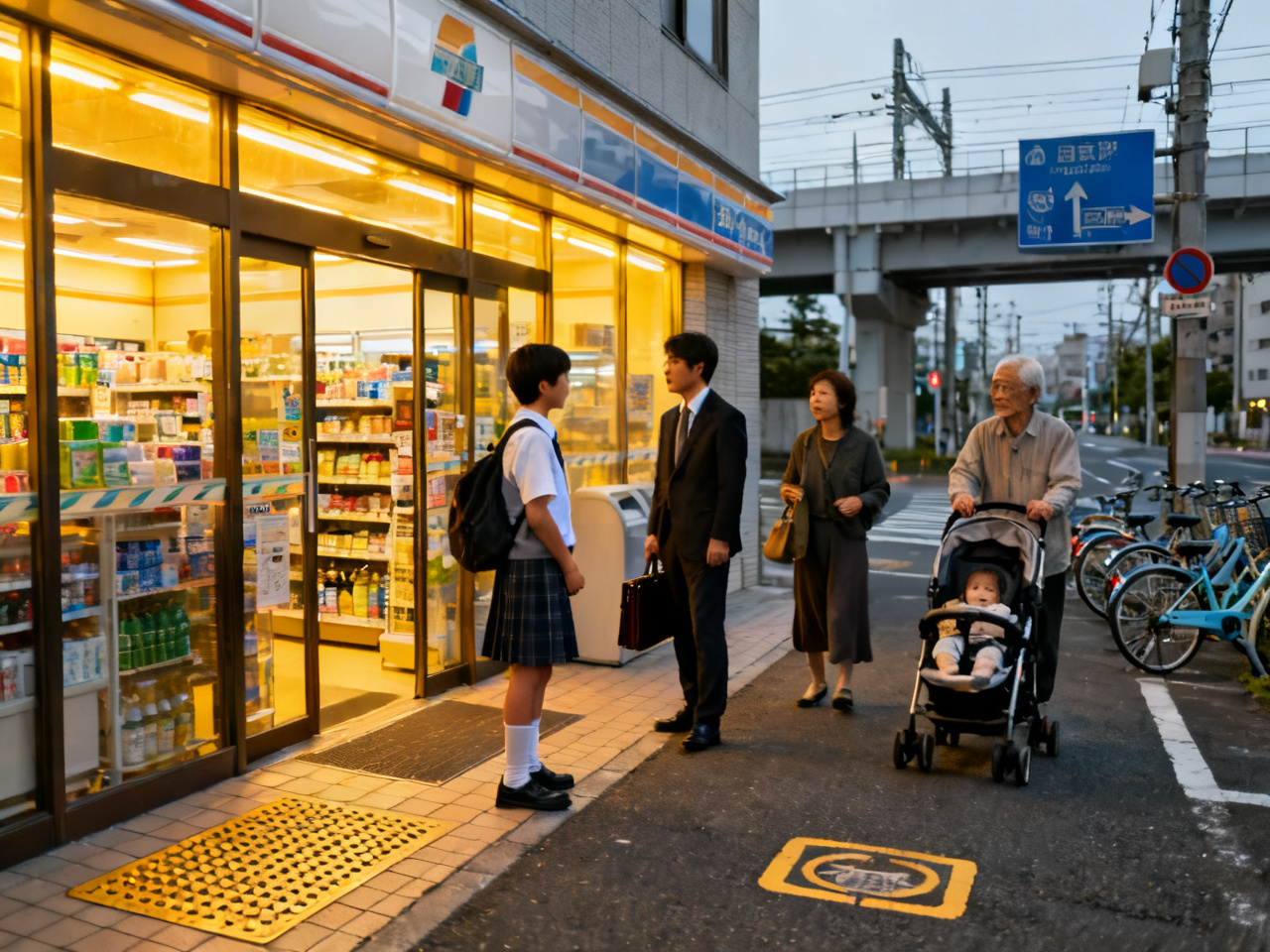
那晚我最后坐上地铁时,车厢里人已经不多了,玻璃窗上映着我被风吹得有点发红的脸。车开动之后,我没有以前那种“惊险成功”的兴奋,反而有种很安静的轻松。因为真正让我放松的,不是我赶上了最后一班,而是我终于不需要靠赶上它来证明自己会旅行。对外国人在中国夜里移动来说,这是一个很有用的变化:你不必把每次顺利都建立在侥幸上,也不必为了节省一点时间或一点钱,把自己推进一个只要失误一次就很狼狈的局面。现在如果有人问我,北京夜里回酒店最重要的原则是什么,我大概会回答:别把最后一班地铁当成唯一计划。只要你给自己留出第二条线,整座城市都会显得更可合作,而你也会更像一个真正稳定的旅行者。
When I finally sat down on that train, the carriage was already fairly empty, and the window reflected a face slightly reddened by the cold wind. After the train started moving, I did not feel the old thrill of “dramatic success.” Instead, I felt a quiet ease. What relaxed me was not that I had made the last metro. It was that I no longer needed to make it in order to prove to myself that I knew how to travel. For foreigners moving through China at night, that is an extremely useful shift. You do not need to build every smooth outcome on luck, and you do not need to save a little time or money by pushing yourself into a situation where one mistake creates unnecessary stress. If someone asks me now what the most important principle is for getting back to a hotel late in Beijing, I would probably say this: do not treat the last metro as your only plan. As long as you leave yourself a second line, the whole city becomes easier to cooperate with, and you become a much steadier traveler within it.
- 桂林不赶路:漓江到阳朔,一场关于慢的实验 | Guilin Without Rushing: Li River to Yangshuo, an Experiment in Slowness
- 绍兴黄酒的慢饮法:从乌篷船到晚饭桌 | A Slow Way to Drink Shaoxing Wine: From Black Canals to the Dinner Table
- 中国人为什么这么在意"面子"? | Why Do Chinese People Care So Much About "Face"?
- 支付宝微信支付境外使用教程 | Alipay & WeChat Pay Guide for Foreign Visitors
- 逛中国博物馆前,先学会这套看展方法 | A Practical Method to Visit Museums in China
- 一顿家常饭把我教会了中国式礼貌:什么时候该夹菜,什么时候别急着说不 | One Home-Style Meal Taught Me Chinese Politeness: When to Accept Food and When Not to Refuse Too Fast
- 苏州园林不是用来赶场的,我在一扇漏窗前停了十分钟 | Suzhou Gardens Are Not for Rushing; I Stopped Ten Minutes Before One Lattice Window
- 十二月的中国:北方玩雪,南方过冬 | December in China: Snow Up North, Warmth Down South
- 中式婚礼服饰 | Chinese Wedding Attire
- 三月桃花源:寻访世外桃源 | March Peach Blossom: Finding Utopia in China
Comments (0)