
我第一次在中国茶馆里学会慢下来 | The First Time I Learned to Slow Down in a Chinese Teahouse
我第一次在中国茶馆里学会慢下来 | The First Time I Learned to Slow Down in a Chinese Teahouse
我来自西班牙,刚到中国旅行时,总觉得自己必须不断移动,才算没有浪费时间。早上赶景点,中午找餐馆,下午换地铁,晚上再去看夜景,行程排得像考试时间表。直到有一天在成都人民公园附近,我被朋友带进一家老茶馆,才第一次明白,中国文化里有一种很重要但旅行攻略里常被忽略的能力:在热闹之中稳定自己。那天并没有发生什么戏剧性的事情,我只是坐下、点茶、看人来人往,却感觉自己比连续逛三个景点更接近这座城市。
I am from Spain, and when I first arrived in China, I felt that I had to keep moving all the time or I would be wasting my trip. I rushed to attractions in the morning, searched for restaurants at noon, changed metro lines in the afternoon, and chased night views in the evening. My schedule looked like an exam timetable. Then one day near People’s Park in Chengdu, a friend took me into an old teahouse, and I understood something important that many travel guides ignore: in Chinese culture, there is a real skill in learning how to steady yourself inside a lively environment. Nothing dramatic happened that day. I simply sat down, ordered tea, and watched people come and go. Yet I felt closer to the city than I had after visiting three attractions in a row.
作为外国人,我以前总把“融入”理解成主动开口、多走、多试、多拍照,好像外向就是理解文化的捷径。可是在茶馆里,我第一次感到,很多中国人的社交并不靠持续输出,而是靠共享一个空间、一个节奏、一种不急着证明什么的状态。有人下棋,有人聊天,有人只是把手放在茶杯旁边发呆。没有谁看起来需要表演“我在享受生活”,他们只是很自然地待在那里。这种从容让我很受触动,也让我反思自己在旅行中常常太用力。
As a foreigner, I used to think that “integrating” meant speaking up more, walking more, trying more, and taking more photos, as if extroversion were the fastest road to cultural understanding. But in the teahouse, I felt for the first time that many forms of Chinese social life do not rely on constant output. They rely on sharing a space, a rhythm, and a state in which nobody is rushing to prove anything. Some people were playing chess, some were chatting, and some were simply resting a hand beside a tea cup and staring into the distance. Nobody looked like they needed to perform enjoyment. They were simply there. That calmness moved me deeply and made me reflect on how hard I often push myself while traveling.
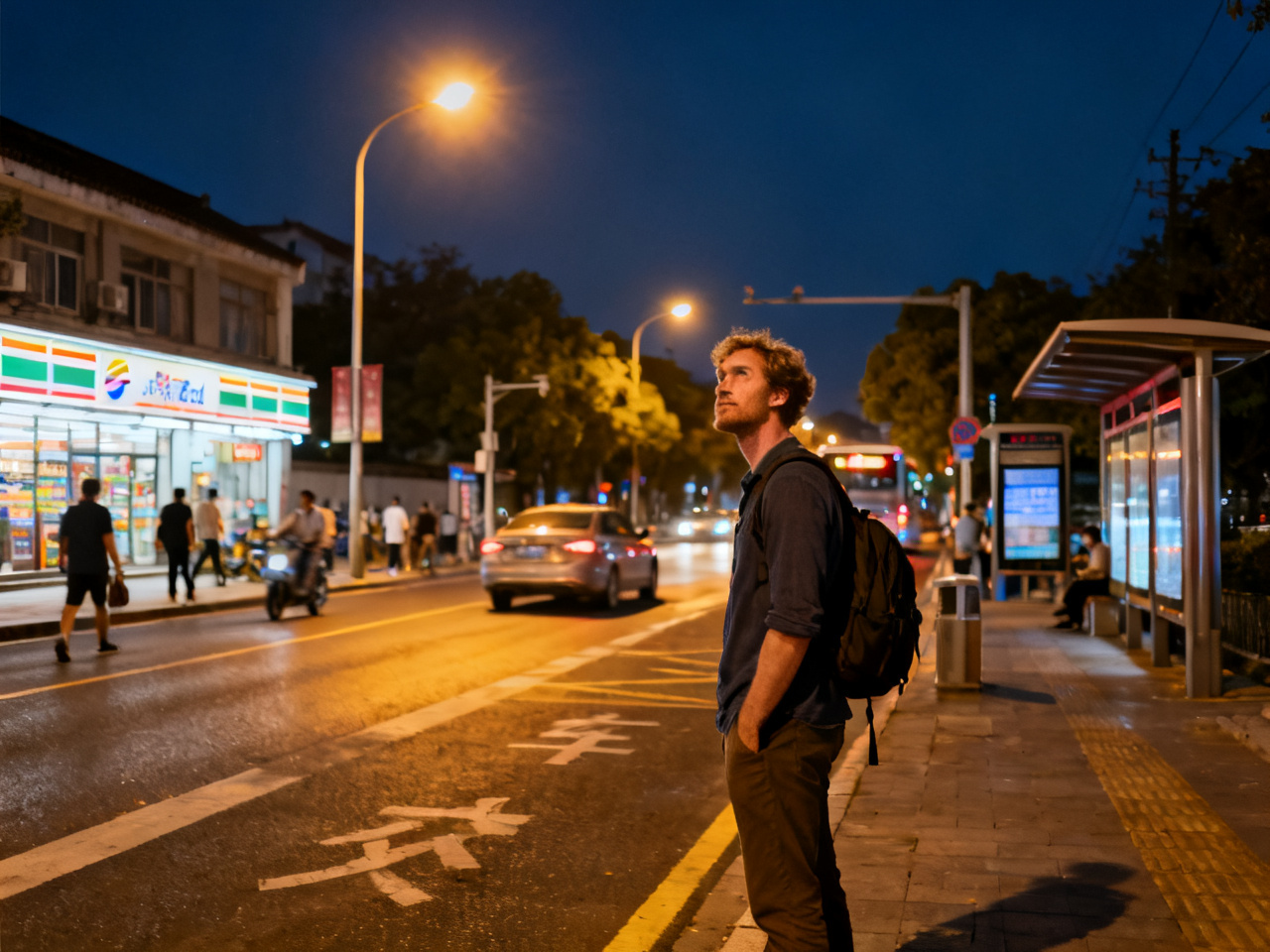
更重要的是,茶馆还改变了我对“安全”的理解。以前我只把安全和交通、钱包、夜路联系在一起。可那天我意识到,心理节奏也是安全的一部分。如果一个人一整天都在赶路、切换语言、辨认地图、处理支付、判断方向,他的注意力会被不断消耗,最后很容易在一个本来不复杂的场景里做出差决定。茶馆像一个缓冲区,让我把大脑重新调回稳定状态。喝茶出来之后,我再走去宽窄巷子,判断周边环境、分辨游客密度、选择晚饭地点,整个人都更清楚了。
More importantly, the teahouse changed the way I understand safety. Before that, I connected safety mainly with transport, wallets, and walking at night. That day I realized that mental rhythm is also part of safety. If a person spends the whole day rushing, switching languages, reading maps, handling payments, and judging directions, attention gets worn down again and again. Eventually, it becomes easy to make a poor decision in a situation that is not actually complicated. The teahouse acted like a buffer zone that reset my mind to a steadier state. After tea, when I walked toward Kuanzhai Alleys, I found it much easier to judge the surrounding environment, read the tourist density, and choose where to eat dinner.
我后来去了杭州、苏州和北京,也都会主动给自己安排类似的“静止时段”。有时是茶馆,有时是书店角落,有时只是公园长椅。但茶馆最特别,因为它把文化、社交和身体节奏放在了一起。你会看到服务员如何续水、老人如何占座、朋友之间如何不急不躁地对话。这些细节不像博物馆说明牌那样直接,却比很多介绍更真实。对于外国人来说,这种观察也很实用,因为它能帮助你学会何时应该主动,何时应该安静,何时不需要急着填满空白。
Later, when I visited Hangzhou, Suzhou, and Beijing, I began deliberately building similar “stillness periods” into my days. Sometimes it was a teahouse, sometimes a bookstore corner, and sometimes just a park bench. But the teahouse remained special because it brings culture, social behavior, and bodily rhythm together. You notice how staff refill water, how older guests choose seats, and how friends talk without hurry. These details are not as direct as museum labels, yet they often feel more truthful than many formal introductions. For foreigners, this kind of observation is also practical. It teaches you when to speak, when to stay quiet, and when there is no need to fill every silence.
我在杭州龙井附近还遇到过一个很小但很有意义的场景。那天下午突然下雨,几位游客都在门口躲雨,大家的鞋子和雨伞把地面弄得有点滑。我原本想赶紧离开去下一个点,但茶馆老板提醒我先坐下,等雨小一点再走,还顺手把最靠门的几张椅子挪开,留出更安全的通道。这个动作让我印象很深。它不是宏大的“文化展示”,而是一种细小但成熟的公共照顾意识。后来我再看很多中国人的日常礼貌,就会更容易理解其中那种不张扬的体贴。
Near the Longjing area in Hangzhou, I once encountered a small but meaningful scene. A sudden rain started in the afternoon, and several visitors gathered at the doorway to wait it out. Wet shoes and umbrellas made the floor slippery. I wanted to leave quickly for my next stop, but the teahouse owner suggested that I sit down and wait until the rain became lighter. He also moved a few chairs near the entrance to create a safer passage. That stayed with me. It was not a grand “cultural performance.” It was a small but mature form of public care. After that, I found it easier to understand a certain quiet thoughtfulness in many forms of everyday Chinese politeness.
茶馆里的另一个收获,是我终于不再把“听不懂所有内容”当成失败。以前如果周围人在说中文,而我只听懂一半,我会下意识紧张,担心自己错过了重要信息。但在茶馆这种环境里,我学会接受部分理解。你不需要掌握每一句话,也能感受到气氛、节奏、边界和礼貌方式。这种接受不完整的能力,后来帮了我很多次。无论是在高铁站问路,还是在小店点单,只要我能抓住关键,而不是逼自己做到百分之百理解,我就更稳定,也更不容易慌乱。
Another lesson from teahouses was that I finally stopped treating “not understanding everything” as failure. Before, if people around me were speaking Chinese and I only understood half of it, I would instinctively tense up and worry that I was missing something important. In the teahouse environment, however, I learned to accept partial understanding. You do not need every sentence to grasp the atmosphere, the rhythm, the boundaries, and the style of politeness. This ability to accept incompleteness helped me many times later. Whether I was asking for directions in a railway station or ordering in a small shop, I became steadier when I focused on key information instead of forcing myself to understand one hundred percent.
后来我给自己总结出几条在中国体验茶馆文化时特别有用的提醒。
Later I summarized a few reminders that are especially useful when experiencing teahouse culture in China.
- 不要把茶馆当成必须“打卡”的景点,而要把它当成调整节奏的空间。
- Do not treat a teahouse as a place you must “check off”; treat it as a space for resetting your pace.
- 先观察别人如何点茶、落座和续水,再决定自己怎么做。
- Observe how others order tea, choose seats, and request refills before deciding what to do yourself.
- 如果当天判断力下降、情绪浮躁,找一个安静场所停二十分钟,比硬赶下个景点更安全。
- If your judgment is slipping or your mood is restless, twenty quiet minutes in a calm place is safer than forcing the next attraction.
- 听不懂全部内容并不丢人,理解气氛本身也是文化学习。
- It is not embarrassing to understand only part of the conversation; reading the atmosphere is also cultural learning.
现在回头看,我会把茶馆经验和更多旅行判断联系起来。我常会再读 城市慢旅行节奏、公共空间礼貌观察 和 外国人在中国的心理节奏管理 这些内容。它们让我越来越确定,真正的文化体验不一定发生在最热闹的地方,很多时候,它恰恰发生在你愿意坐下来、放慢一点、把注意力从“我接下来要去哪里”转向“我此刻怎样在这里”的时候。
Looking back now, I connect the teahouse experience with many broader travel judgments. I often revisit articles like slow urban travel rhythm, observing politeness in public spaces, and managing a foreign traveler’s mental rhythm in China. They make me more certain that real cultural experience does not always happen in the busiest places. Very often, it happens when you are willing to sit down, slow down, and shift your attention from “Where am I going next?” to “How am I being here right now?”
- 手机支付失败后我学会准备备用方案 | After My Mobile Payment Failed, I Learned to Prepare a Backup Plan in China
- 中国白酒与黄酒:送礼自饮怎么选 | Chinese Baijiu & Huangjiu: Gift & Tasting Guide
- 退潮后的石滩,比准点的海景更懂钦州 | The Stone Flats After Low Tide Taught Me More Than a Timed Sea View in Qinzhou
- 摊位编号不重要,重要的是你站在哪座城市 | The Stall Number Doesn't Matter — What Matters Is Which City You're Standing In
- 凌晨一点我还敢一个人走回酒店:在中国把安全感走成了日常经验 | At 1 a.m. I Still Walked Back to My Hotel Alone: How Safety in China Became Ordinary to Me
- 我在青岛学会把海边步行和补水当成一件事 | In Qingdao I Learned to Treat Waterfront Walking and Hydration as One Task
- 灯彩作坊里的一小时:我第一次发现光也可以被“做出来” | In a Lantern Workshop: The First Time I Realized Light Can Be Crafted by Hand
- 十一月最适合旅游的城市 | Best Chinese Cities to Visit in November
- 秦淮河灯影之外,我在夫子庙听见一堂夜课 | Beyond Qinhuai's Lantern Reflections, I Found a Night Lesson at Fuzimiao
- 婚礼与节庆中的传统服饰 | Traditional Dress in Chinese Weddings & Festivals
Comments (0)