
我第一次把扫码付款练成一种低压力习惯 | How I Turned QR Payment into a Low-Stress Habit
我第一次把扫码付款练成一种低压力习惯 | How I Turned QR Payment into a Low-Stress Habit
我第一次独自在中国连续旅行一周时,真正让我紧张的不是不会点菜,也不是地铁换乘太复杂,而是每一次结账前那几秒钟。站到便利店收银台前,我总怕自己手机没网、亮度太低、付款码打不开,或者我还在翻页面时后面已经排起队。对很多外国人来说,付款表面上只是一个技术动作,实际上却是日常安全感的一部分。只要最简单的一瓶水、一份早餐、一次地铁补票都能顺利完成,城市就不再像随时会让我出错的考试现场,而更像一个可以被慢慢掌握的生活空间。
When I first traveled alone in China for a full week, the thing that made me nervous was not ordering food or changing metro lines. It was the few seconds before every payment. Standing at a convenience-store counter, I kept worrying that my phone had no signal, the screen was too dim, the payment code would not open, or a line would form behind me while I was still searching through apps. For many foreigners, payment looks like a technical action on the surface, but in practice it is part of daily safety. Once a bottle of water, a simple breakfast, or a small transport purchase can be completed smoothly, the city stops feeling like a place where I am about to fail a test and starts feeling like a place I can gradually live in.
我真正学会这件事,是在上海一家很普通的便利店。那天外面下着细雨,我从地铁出来,鞋边潮了,伞还在滴水。轮到我时,我先把手机亮度调高,把付款页面停在最前面,然后才把东西放到柜台上。店员没有催我,只是把扫码枪往前移了一点。我忽然意识到,中国很多支付场景看起来很快,不是因为别人都在逼你,而是因为大家已经习惯了一个共同节奏。只要我别把准备留到最后一秒,我并不会显得特别笨拙。后来我再读一些关于在中国适应日常节奏的经验,也越来越认同这种思路,比如如何通过小动作慢慢融入中国生活,以及外国人第一次在中国建立安全感的方式,都和我的经历非常接近。
I really learned this in a completely ordinary convenience store in Shanghai. It was drizzling outside. I had just come out of the metro, my shoes were damp, and my umbrella was still dripping. When my turn came, I raised my screen brightness, kept the payment page ready, and only then placed my items on the counter. The cashier did not rush me. She simply moved the scanner slightly forward. I suddenly understood that many payment scenes in China feel fast not because people are trying to pressure you, but because everyone is already moving inside a shared rhythm. As long as I do not leave preparation to the last second, I do not actually look especially clumsy. Later, when I read more reflections about adapting to daily life in China, I found the same logic again in pieces like how small actions help you integrate into everyday Chinese life and ways foreigners build real safety in China for the first time.
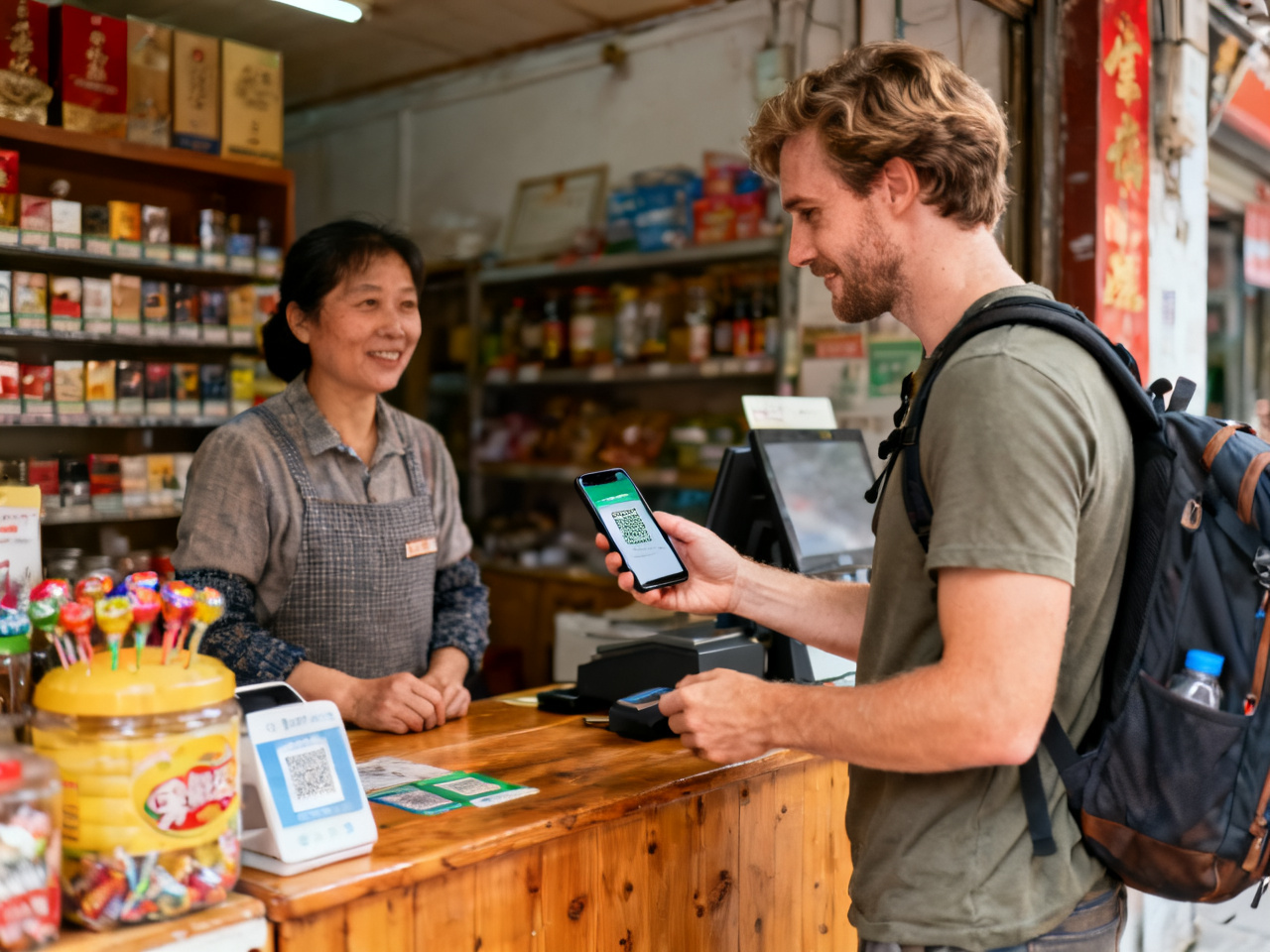
后来我慢慢发现,支付顺不顺,会直接影响我敢不敢进入更细小的生活场景。刚到中国时,我更愿意去大型商场,因为灯光亮、柜台标准化、我以为出错的概率更低。等我适应了扫码付款,我才开始敢走进居民区旁的小面馆、菜市场边的水果摊、景区外安静侧街上的便利店。不是因为这些地方突然变容易了,而是因为我已经知道在高频小额支付里怎样让自己保持镇定。对外国人来说,融入感往往不是一个宏大的文化概念,而是这些非常普通的瞬间:我能不能自然地买水、买车票、买早餐,能不能在不慌张的状态下完成一串微小动作。
Later I realized that payment confidence directly affects how willing I am to enter smaller, more local spaces. When I had just arrived in China, I preferred large malls because the lighting was bright, the counters were standardized, and I assumed the chance of making mistakes was lower. Only after I became comfortable with QR payment did I start entering tiny noodle shops near residential blocks, fruit stands beside wet markets, and convenience stores on quiet side streets outside scenic areas. Those places did not suddenly become easier. What changed was that I knew how to keep myself calm in repeated small payments. For foreigners, the feeling of integration is often not some grand cultural idea. It lives in ordinary moments: can I buy water, tickets, or breakfast naturally, and can I complete a string of tiny actions without panic?
有一次我在杭州一家社区面馆结账时,手机信号突然变慢,页面转了好几秒都没有出来。以前的我一定会立刻紧张,甚至越急越乱。那次我反而先往边上挪了一步,让后面的本地客人先付,然后跟老板说我需要十秒钟。老板点点头,说不急。最后我还是顺利付掉了,但更重要的是,我第一次在支付故障里没有把自己想成制造麻烦的人。这种感觉和外国人如何在中国学会自然求助里提到的经验很像:真正实用的适应,不是永远零失误,而是出问题时知道怎么稳定处理。
Once, in a neighborhood noodle shop in Hangzhou, my phone signal suddenly slowed down right when I was about to pay, and the page kept loading for several seconds. The earlier version of me would have panicked immediately and become more confused the faster I tried to move. That time, I simply stepped aside, let the local customer behind me pay first, and told the owner I needed ten seconds. He nodded and said it was fine. I still completed the payment smoothly in the end, but the more important change was internal: for the first time, I did not treat myself as a source of trouble when something went wrong. The feeling was close to what is described in how foreigners learn to ask for help naturally in China: real adaptation is not about never making mistakes, but about knowing how to stay steady when something does go wrong.
我后来给第一次来中国的朋友总结过几个很朴素、但特别有用的付款习惯。第一,进店之前就确认手机有电、有网,尤其在长时间坐高铁、飞机或一整天步行以后,不要等排到你才发现只剩百分之三电量。第二,常用支付页面尽量保持在容易打开的位置,不要在收银台前一层层翻软件。第三,屏幕亮度在白天或强灯环境下要提前调高,扫码枪识别会快很多。第四,如果你真的卡住了,先让别人通过,不必硬撑着站在原地。第五,酒店地址、车票截图、付款备用方式最好提前留好,因为旅行里的安全感,很多时候就是这些备用动作堆起来的。
Later I summarized a few plain but very useful payment habits for friends visiting China for the first time. First, check battery and connection before entering a shop, especially after a long train ride, a flight, or a full day of walking; do not wait until the counter to discover you have three percent left. Second, keep your main payment page easy to open instead of digging through layers of apps in front of the cashier. Third, raise your screen brightness in daylight or under strong indoor lighting because scanners read faster that way. Fourth, if something genuinely gets stuck, let other people go first rather than freezing in place. Fifth, keep hotel addresses, ticket screenshots, and backup options saved in advance, because travel safety is often built from these backup moves.
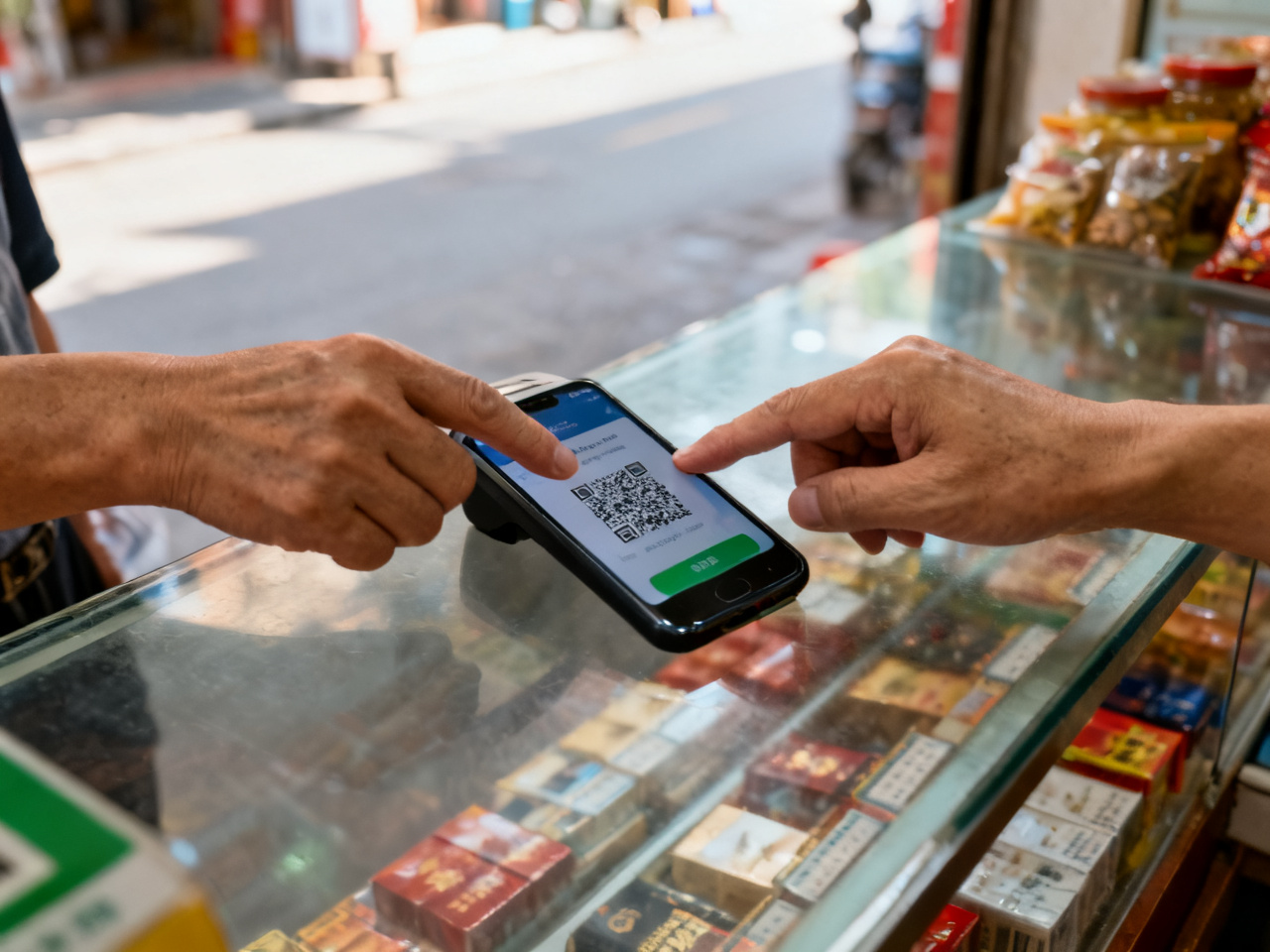
现在如果有人问我,在中国最值得尽快练熟的生活技能是什么,我不一定先说中文,也不一定先说导航。我常常会先说,把付款练成一种低压力的身体习惯。你站到柜台前不慌,看到二维码不手忙脚乱,网络慢的时候知道怎么处理,知道自己不需要因为是外国人就自动觉得拖慢了别人。这样的镇定非常具体,而且会向外扩散。你会更敢临时改路线,更敢进陌生小店,更敢在夜里给自己买一杯热饮和一点吃的。对我来说,真正的适应不是“我已经像本地人一样快”,而是“我遇到普通问题时,已经会用稳定的方法解决它”。这比速度更重要,也比表面上的熟练更让我安心。
Now if someone asks me which life skill is most worth learning quickly in China, I may not answer Chinese first, and I may not answer navigation first. I often say: turn payment into a low-stress bodily habit. Stand at a counter without panic. See a QR code without fumbling. Know what to do when the connection is slow. Know that being a foreigner does not mean you are automatically delaying everyone else. That calm is concrete, and it spreads outward. You become more willing to change routes, enter unfamiliar small shops, or buy yourself a hot drink and something to eat late at night. For me, real adaptation is not “I am now as fast as a local.” It is “when ordinary problems happen, I already know a steady way to solve them.” That matters more than speed, and it gives me more peace than surface-level fluency ever could.

- 在中国看病 | How to See a Doctor in China as a Foreigner
- 那些把中国拍得像特效片的博主,真正厉害的是懂得怎么给震撼留空拍 | The Creators Who Film China Like Special Effects Know How to Leave Space Between the Shocks
- 一碗面,走遍中国 | One Bowl of Noodles, One Country
- 南京这座城最难拍准的地方,是城墙底下那些还在发生的今天 | The Hardest Thing to Capture Accurately in Nanjing Is the Living Present Beneath Its Walls
- 在西安城墙下走慢一点,历史才不是一张照片 | Walking Slowly Under Xi’an City Wall Made History More Than a Photo
- 我在中国高铁上学会安静地分享空间,不是靠规则,而是靠先读懂别人的节奏 | On a Chinese High-Speed Rail Trip, I Learned to Share Space Quietly Not Through Rules, but by Reading Other People’s Rhythm First
- 云南古城最怕被一句“适合慢下来”说完,真正值钱的是慢下来以后怎么走 | Yunnan’s Old Towns Deserve More Than “Good for Slowing Down”; What Matters Is How You Move Once You Slow
- 我在服务区吃到一碗热汤,才懂中国公路旅行的细节 | A Hot Soup at a Highway Service Area Showed Me the Details of Road Trips in China
- 我站到皮影戏幕布后面的一晚 | The Night I Stepped Behind the Shadow Puppetry Screen
- 读一面敦煌壁画的次序:从洞窟入口开始 | How to Read a Dunhuang Mural: Begin at the Cave Entrance
Comments (0)