
我在西安学会先看城墙边的风,再决定傍晚走多远 | In Xi’an I Learned to Feel the Wind by the City Wall Before Deciding How Far to Walk at Dusk
我在西安学会先看城墙边的风,再决定傍晚走多远 | In Xi’an I Learned to Feel the Wind by the City Wall Before Deciding How Far to Walk at Dusk
西安第一次让我认真重新计算步行距离,不是在白天,而是在一个快要入夜的傍晚。那天我从城墙附近出来,天色还没完全暗,砖墙边的风一阵一阵吹过来,路上游客不少,卖水的小店灯刚亮。我本来打算沿着墙边多走一段,再去永宁门附近找地方吃饭。地图上的路线看起来很简单,步行二十几分钟而已。可我站在路口边时,突然发现自己不太想立刻走:不是害怕,而是感觉那种“快到饭点、光线在变、体力开始往下掉”的时段,特别容易让人误判自己还能不能再撑一段。后来我越来越觉得,外国人在中国旅行时,傍晚步行最需要判断的不是距离本身,而是风、光线、人流和你身体状态之间的关系。
The first time Xi’an made me seriously recalculate walking distance was not during the day, but at dusk. I had just come out near the city wall, the sky was not yet fully dark, waves of wind were moving along the brick edge, there were still plenty of visitors around, and the small shops selling water had just switched on their lights. I had planned to continue walking beside the wall for a while and then look for food near Yongning Gate. On the map, the route looked simple enough, just a bit over twenty minutes on foot. But when I paused at the roadside, I realized I did not want to start walking immediately. It was not fear. It was the feeling that the hour just before dinner, when the light is changing and physical energy is beginning to dip, is exactly when people overestimate how much more they can comfortably handle. Over time, I have come to believe that for foreigners traveling in China, the most important judgment in dusk walking is not distance itself. It is the relationship between wind, light, crowd flow, and your own body.
以前我总以为,只要路面平、导航清楚、手机有电,傍晚多走十几二十分钟问题不大。可西安这种城市很快让我意识到,历史城区周边的步行体验,不只是“脚还能不能走”,还包括你会不会一路想停、会不会因为风沙和口渴开始烦躁、会不会在找吃的时突然降低判断质量。尤其是外国人刚经历了半天景点、拍照、地铁换乘之后,疲劳常常不是突然出现的,而是一点点渗出来。那次站在城墙边,我突然想起用路线和体力管理稳住旅行节奏那篇文章的思路,也想到先把一天过顺,再谈看多少这个判断框架。很多时候,不是我不能走,而是我没必要在最容易变乱的时候硬走。
I used to assume that as long as the road was flat, the navigation was clear, and my phone had battery, walking another fifteen or twenty minutes at dusk was no big deal. Xi’an quickly taught me otherwise. Around historical city zones, the walking experience is not only about whether your legs still work. It is also about whether you will keep wanting to stop, whether wind and dryness will make you thirsty and irritated, and whether your judgment quality will drop right when you start choosing where to eat next. For foreigners, especially after half a day of attractions, photos, and metro transfers, fatigue often does not arrive dramatically. It leaks in gradually. Standing by the wall that evening, I suddenly thought of the logic in using route and energy management to stabilize travel rhythm, and also the framework in getting the day smooth before trying to do more. Very often, it is not that I cannot keep walking. It is that I do not need to push hardest exactly when my rhythm is most likely to break.
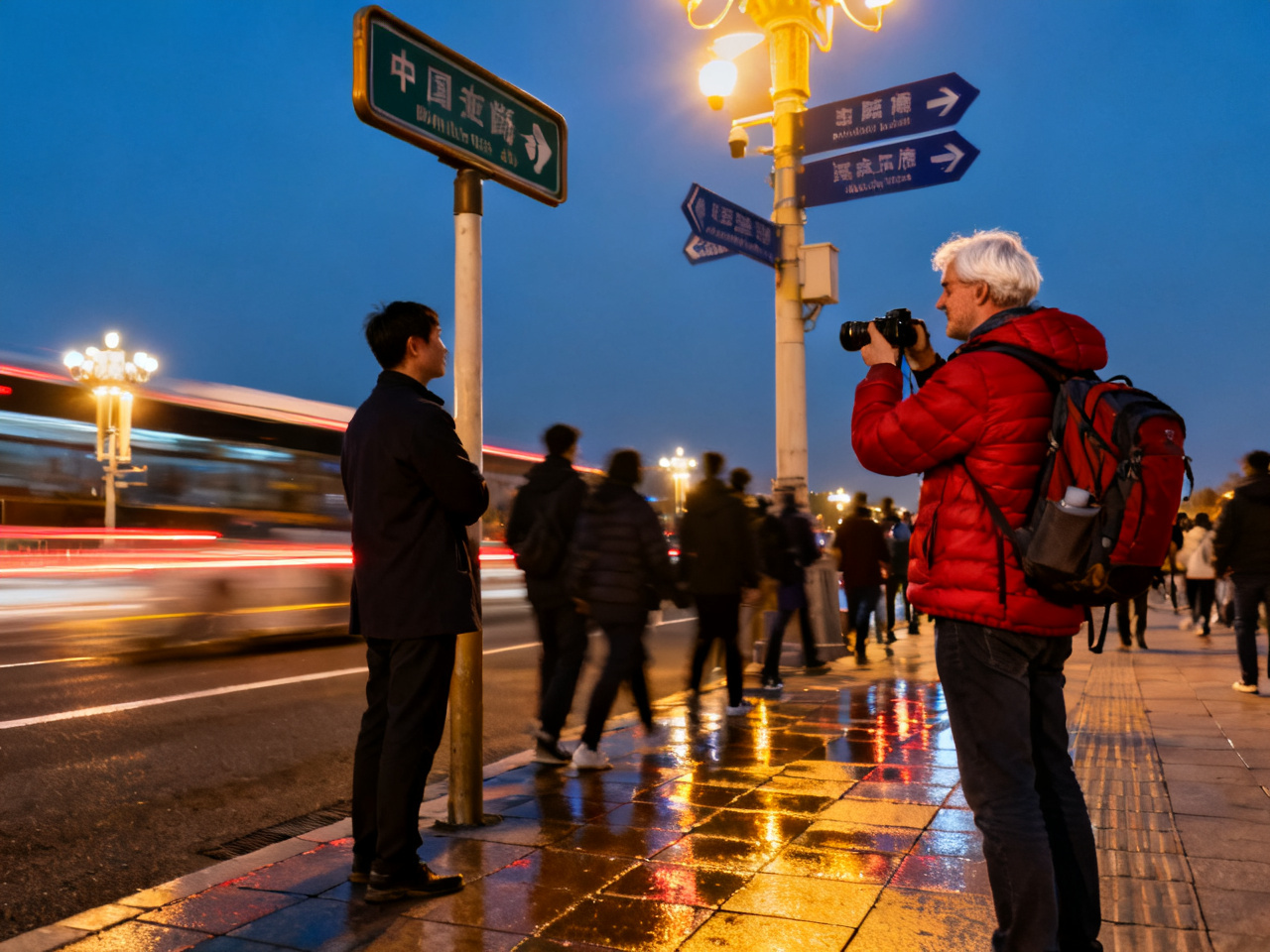
那天我后来做了一个以前可能会嫌“太保守”的决定:先去最近的小店买水,站在墙根附近慢慢喝完,再决定是继续走,还是改坐一站地铁。就这几分钟的停顿,反而把很多模糊感受一下子照亮了。我开始注意到风其实比刚才想象中更干,衣服被吹得有点发凉;我也意识到自己从中午到现在几乎没怎么正经坐下休息。更重要的是,我看见永宁门方向的人流在一点点加快,很多人已经进入“找晚饭、赶下一站”的节奏。如果我这时候还强行按白天的体力标准要求自己,多半会在后半段突然烦躁。对我来说,真正有用的判断,不是“我能不能坚持”,而是“坚持之后值不值”。
That evening I made a decision that the older version of me might have called too cautious. I bought water from the nearest small shop, stood slowly beside the wall to drink it, and only then decided whether to keep walking or take the metro for one stop instead. Those few minutes of pause illuminated many vague feelings at once. I began noticing that the wind was drier than I had first thought and that my clothes were already starting to feel cool. I also realized that I had hardly sat down properly since midday. More importantly, I could see the crowd flow toward Yongning Gate gradually accelerating. Many people had already entered the evening rhythm of finding dinner and moving to the next place. If I forced myself to use my daytime energy standard at that moment, I would probably become irritated in the second half of the walk. For me, the truly useful question was not “Can I endure it?” but “Is enduring it worth it?”
我后来总结出几个特别适合中国傍晚步行的判断动作。第一,别只看导航时间,要看风和温度是不是在逼你更快耗能。第二,别只看“有路灯”,要看路上有没有方便停一下重新整理信息的节点,比如便利店、商场门口、地铁口边的空地。第三,如果你下一步还要选餐馆、付款、回酒店,那就把这些决策成本也算进这一段路。第四,如果你已经开始频繁想坐下,通常说明问题不是意志力,而是节奏需要调整。第五,历史城区或景区外围的傍晚人流会改变道路体验,看上去相同的一段路,五点半和七点走起来感受可能完全不同。这些动作其实和把夜间抵达拆成小判断的思路很接近:不要把整段路当成一个大挑战,而要把它拆成几个可处理的小决定。
Later I summarized a set of dusk-walking judgments that work especially well in China. First, do not look only at the map time. Notice whether wind and temperature are making you spend energy faster. Second, do not look only for streetlights. Look for places where you can pause and reorganize information, such as convenience stores, mall entrances, or open space near metro exits. Third, if you still need to choose a restaurant, pay, and return to your hotel afterward, include those decision costs in this walking segment too. Fourth, if you are already thinking about sitting down again and again, the problem is usually not willpower. It is that the rhythm needs adjustment. Fifth, crowd flow around historical districts or scenic areas changes the experience of a road. The same stretch can feel completely different at 5:30 and at 7:00. These actions are actually close to the logic in breaking nighttime arrival into small judgments: do not treat the whole route as one grand challenge. Break it into several smaller decisions that can be handled clearly.
后来我还是继续走了一段,但不是按照原计划硬走到底。我把那段路拆开:先走到下一个灯更亮、店更多的路口,再决定要不要继续。这样一来,步行突然就没那么消耗了。我甚至在一家卖冰峰的小店前停下来,顺手看了看附近哪条街坐的人更多、哪边餐馆门口翻台更快。对很多外国人来说,旅行中的“安全感”经常被理解成避开危险,可我越来越相信,更重要的一层是别让自己在疲惫的时候进入低质量判断。西安教会我的,不是少走路,而是别把“还能走”误以为“应该继续走”。
In the end, I did keep walking for a while, but not by forcing the original plan all the way through. I broke the route into sections. First reach the next brighter intersection with more shops, then decide again whether to continue. Once I did that, the walk stopped draining me so much. I even paused in front of a small shop selling Ice Peak soda and used the moment to observe which nearby street had more seated people and which row of restaurants seemed to turn tables faster. For many foreigners, travel “safety” is often understood only as avoiding danger. I increasingly believe that an even more important layer is refusing to enter low-quality judgment mode when tired. What Xi’an taught me was not to walk less. It was to stop confusing “I still can” with “I should.”
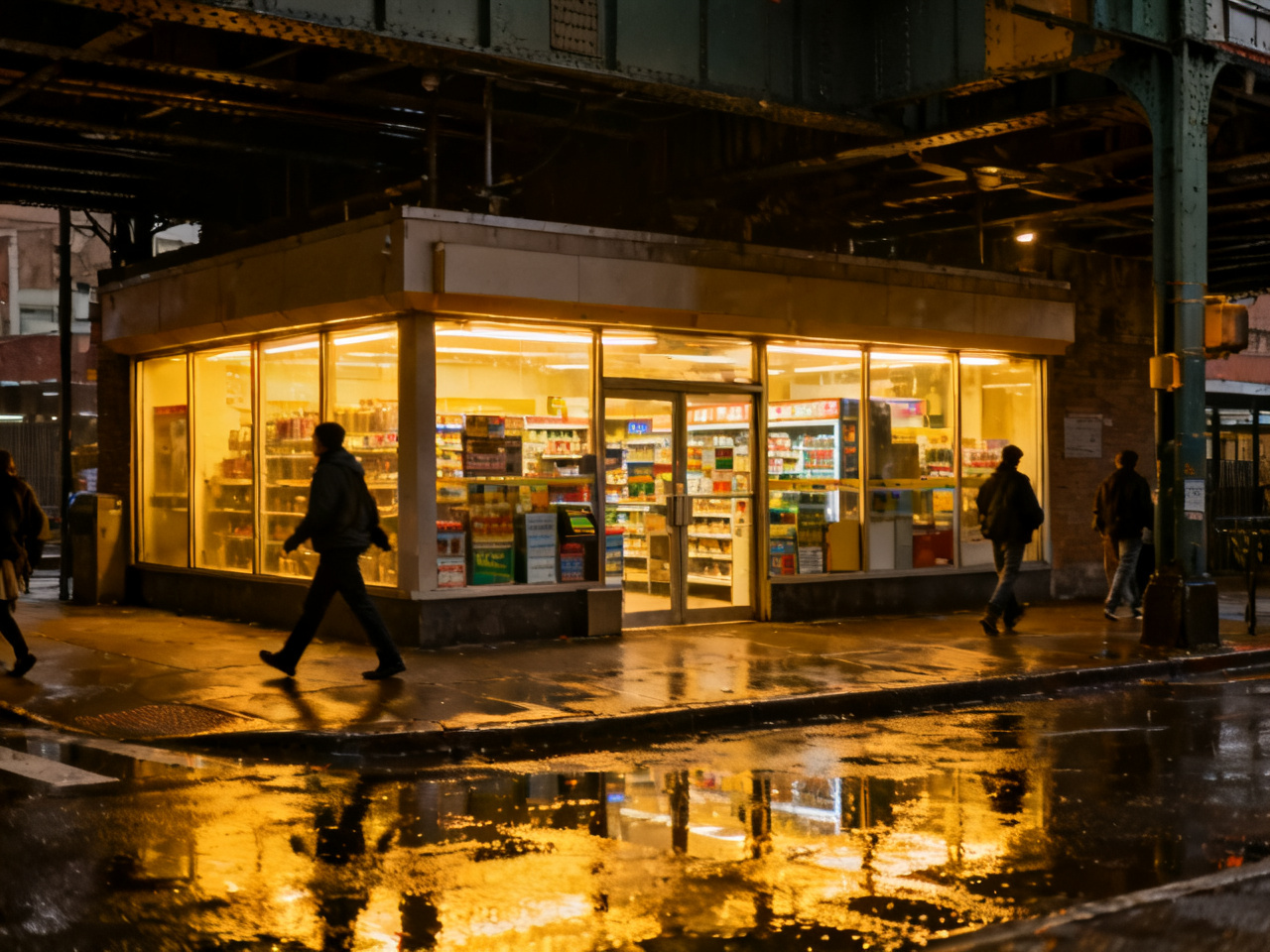
后来夜色真正压下来时,我已经坐在一家门口不太吵的小馆子里,桌上放着一碗面和一瓶冰水,窗外还能看见城墙附近的灯。回头想想,我最庆幸的不是自己省了几分钟,也不是自己多看了一段景,而是我在那个风开始变凉的时刻,没有把旅行硬推成一场体力比赛。对外国人在中国这种城市里行走来说,成熟往往不是更敢冲,而是更早看见自己什么时候该慢下来。那天西安的风,就是这样一点点把这个判断吹进我脑子里的。
By the time night really settled, I was already sitting inside a small restaurant that was not too noisy, with a bowl of noodles and a bottle of cold water on the table and the lights near the wall still visible outside the window. Looking back, what I was most grateful for was not that I had saved a few minutes or seen one extra section of the city. It was that when the wind began to turn cooler, I did not force the trip into a physical competition. For foreigners moving through Chinese cities like this, maturity often does not mean charging forward more boldly. It means seeing earlier when it is time to slow down. That evening in Xi’an, the wind along the wall slowly carried that judgment into my head.
- 中国行政区划与城市等级一览 | China's Administrative Divisions & City Tiers Explained
- 我在中国早餐摊第一次学会豆浆要先问甜不甜 | The First Time I Learned at a Chinese Breakfast Stall to Ask Whether the Soy Milk Was Sweet
- 新疆北疆12日深度游 | 12-Day Northern Xinjiang In-Depth Tour
- 八月节庆旅游:赶上最热闹的庙会 | August Festival Travel: Catch the Liveliest Temple Fairs
- 我们在西塘的雨夜里分着一把伞走散又重逢,那一晚比酒吧更像青春 | Sharing One Umbrella in Xitang Rain, We Got Lost and Found Again in a Night That Felt More Like Youth Than Any Bar
- 国庆出行避坑指南 | National Day Travel Tips: Avoiding the Crowds
- 我在青岛海边学会先看风和潮的方向,再决定坐在哪一排 | In Qingdao by the Sea, I Learned to Check the Wind and Tide First Before Choosing Where to Sit
- 北京故宫与胡同深度游 | Beijing: Forbidden City & Hutong Deep Dive
- 乌鲁木齐老街的灯一亮,孜然和人声就把夜晚烤热了 | Once the Old-Street Lights Came On in Urumqi, Cumin and Voices Warmed the Night
- 海河风正冷的时候,一家小馆先把我的天津安顿下来了 | On a Cold Haihe Evening, a Small Eatery Settled Me into Tianjin
Comments (0)