
我在成都住满一周后,才学会不慌不忙地过日子 | After a Week in Chengdu, I Finally Learned How to Live Without Rushing
我在成都住满一周后,才学会不慌不忙地过日子 | After a Week in Chengdu, I Finally Learned How to Live Without Rushing
我第一次把成都当成“临时生活城市”而不是“打卡城市”时,最大的惊喜不是火锅,而是这座城市对外国人短住的包容度。对我来说,真正的挑战从来不是找到景点,而是把手机支付、地铁换乘、点餐、洗衣、找安静咖啡馆这些小事串起来。只要前两天把这些基础问题处理好,后面的节奏就会突然顺起来,整座城市也会从陌生的地图变成可以日常使用的空间。
The first time I treated Chengdu as a place to live for a week rather than a city to check off, the biggest surprise was not the hotpot but how manageable daily life felt as a foreign visitor. My real challenge was never finding attractions. It was linking together mobile payments, metro transfers, ordering food, laundry, and quiet cafés where I could work. Once I handled those basics in the first two days, the city stopped feeling like a maze and started functioning like a temporary home.
我一般会把住宿放在地铁密集、步行友好的区域,比如春熙路附近、太古里周边,或者靠近人民公园与宽窄巷子之间的街区。这样安排的好处不是“景点近”,而是生活效率高:早上买咖啡、白天去共享办公或咖啡馆、晚上吃饭回酒店,都不需要频繁打车。成都打车价格相对友好,但高峰期和下雨天仍然会拖慢行程,所以住在两三条线路可换乘的地方,实用价值远高于房间窗景。
I usually stay near dense metro connections and walkable streets, such as the Chunxi Road area, around Taikoo Li, or in the zone between People’s Park and Kuanzhai Alleys. The point is not being “close to tourist sites” but having efficient daily movement. I can grab coffee in the morning, work from a café or shared workspace during the day, and return after dinner without depending on taxis. Chengdu taxis are affordable by big-city standards, but rain and rush hour can still waste time, so being near two or three transferable metro lines matters more than a pretty window view.
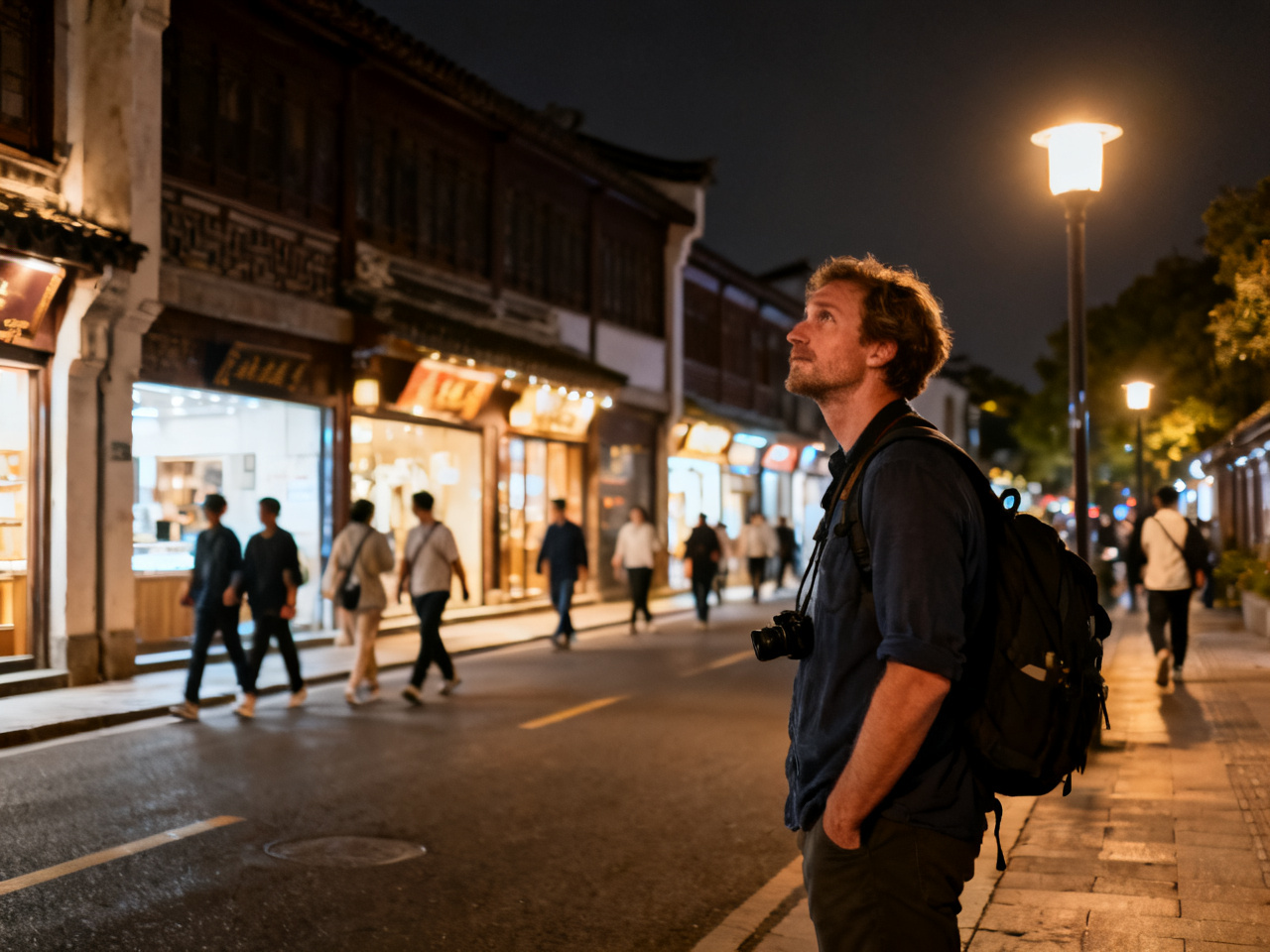
支付问题我会提前准备两个方案:先确认自己的银行卡是否能绑定常用支付工具,再保留一部分现金和一张实体银行卡作为兜底。很多地方已经非常依赖扫码,但成都并不是那种对外国人完全不友好的城市,只要你态度平和、愿意多花十秒钟沟通,大部分店员都会帮你完成支付流程。点餐时我常常先用翻译软件把“不吃太辣、少冰、打包、不要香菜”这些高频句子保存好,效率会高很多。如果你要先适应中国城市里的支付与交通逻辑,可以顺手看看中国高铁订票与实名出行经验和外国游客在中国使用手机支付的实际做法,思路会更完整。
For payments, I prepare two layers: first I confirm whether my bank card can be linked to common payment apps, then I keep some cash and a physical card as backup. Many places rely heavily on QR codes, but Chengdu is not hostile to foreigners who need an extra moment. If I stay calm and communicate clearly, staff usually help me finish the payment. For ordering food, I save a small set of translated phrases like “not too spicy,” “less ice,” “takeaway,” and “no cilantro.” That alone saves a lot of friction. If you want to get used to the broader logic of transport and payments in China, it also helps to read a guide to high-speed rail and real-name travel and practical mobile payment tips for foreign visitors.
成都很适合“白天做事、晚上吃饭散步”的节奏。我工作日会优先选大型商场里的咖啡馆,因为洗手间稳定、空调稳定、网络也相对稳定。独立咖啡馆更有风格,但并不总适合长时间开电脑。午饭时间我尽量避开最热门的火锅店,改吃盖饭、面、抄手、冒菜,这样更省时间也更容易控制辣度。到了晚上再去吃一顿正式的川菜,体验会更好。对于肠胃还在适应的人,我的经验是不要连续三餐都挑战重辣;成都很好吃,但旅程因为胃疼中断绝对不值得。
Chengdu suits a rhythm of getting things done by day and eating or strolling by night. On workdays I prefer cafés inside larger malls because the bathrooms, air conditioning, and internet are more predictable. Independent cafés often have better character, but they are not always ideal for long laptop sessions. At lunch I skip the most famous hotpot places and eat rice bowls, noodles, wontons, or maocai instead. That saves time and makes spice levels easier to control. Then in the evening I can enjoy a full Sichuan dinner properly. If your stomach is still adapting, my rule is simple: do not challenge heavy spice three meals in a row. Chengdu is delicious, but no meal is worth losing two travel days to stomach trouble.
安全感方面,成都给我的感受一直是“松弛但不能松懈”。大部分核心区域夜间依然热闹,步行回酒店通常没问题,但我还是会避免凌晨在陌生小巷里边看手机边走。共享单车很好用,可是下雨后路面湿滑,拐弯和过路口一定要慢。天气变化也别小看:夏天湿热,冬天室内外温差和湿冷都很明显,感冒后旅行体验会迅速下滑。我包里长期放纸巾、免洗洗手液、薄外套和肠胃药,这些东西在成都比“拍照好看的配件”更有真实价值。
In terms of safety, Chengdu usually feels relaxed rather than tense, but relaxed should not mean careless. Central areas stay lively into the evening, and walking back to my hotel is normally fine, yet I still avoid staring at my phone while crossing unfamiliar alleys late at night. Shared bikes are useful, but roads get slick after rain, so I slow down at corners and intersections. Weather deserves respect too. Summers are humid, winters feel damp and penetrating, and getting sick quickly reduces the quality of a trip. I keep tissues, hand sanitizer, a light outer layer, and basic stomach medicine in my bag. In Chengdu, those items have far more practical value than fashionable travel accessories.
我也建议外国旅行者给自己安排一点“低刺激时段”。比如一早去人民公园附近散步,或者在锦江边慢慢走,而不是把行程塞满。中国大城市的信息密度很高,成都虽然相对悠闲,但对第一次来的人来说,语言、支付、菜单、导航、噪音都会同时占用注意力。留出缓冲时间,你反而更能观察到这座城市的生活质地:老人喝茶、年轻人遛狗、便利店补货、写字楼午休,这些都比单纯打卡更能帮助我理解一个地方。
I also recommend building in some low-stimulation time. I might walk near People’s Park in the morning or stroll slowly along the Jin River instead of packing every hour. Chinese big cities carry a high information load, and even though Chengdu feels relatively easygoing, a first-time visitor still processes language, payments, menus, navigation, and noise all at once. If I leave buffer time, I notice more of the city’s texture: older residents drinking tea, young people walking dogs, convenience stores restocking shelves, office workers taking lunch breaks. Those scenes help me understand a place far more than pure sightseeing does.
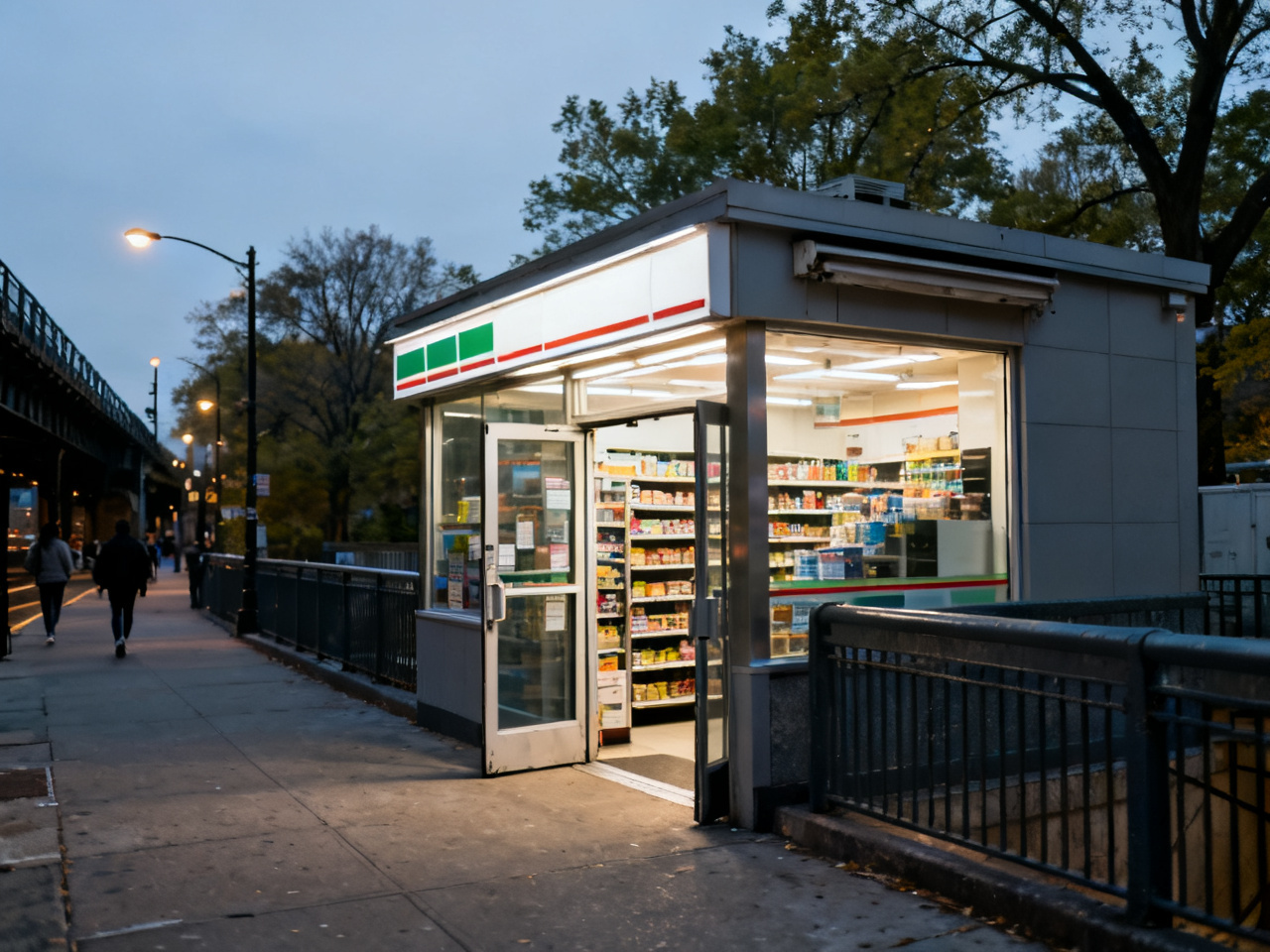
如果你想把成都当作进入中国西南的起点,而不是孤立的一站,那就提前把火车站、机场、酒店地址和下一程目的地用中英文都保存好。我会把常用地址截图、离线保存,再额外写成纯文字,避免在网络不稳定时只剩地图图标。离开成都前一晚,我通常会再核对一次证件、充电器、移动电源和第二天早餐方案。听上去很琐碎,但正是这些细节让我作为外国人可以轻松地在中国城市之间切换,而不是每到新地方都从零开始慌张适应。
If you want to use Chengdu as a gateway to Southwest China rather than an isolated stop, save your station names, airport details, hotel address, and next destination in both Chinese and English. I screenshot important locations, store them offline, and also keep them in plain text so I am not dependent on a map icon when the signal is weak. On the night before leaving Chengdu, I recheck my documents, chargers, power bank, and breakfast plan for the next morning. It sounds minor, but those small habits are exactly what let me move between Chinese cities with confidence instead of restarting from confusion every time.
- 中国旅游必备App大全 | Essential Apps for Traveling in China
- 美国人去中国旅行前必须知道的事 | What Americans Need to Know Before Traveling to China
- 长江游轮:独特旅行体验 | Yangtze River Cruise: A Unique Experience
- 十一月最适合旅游的城市 | Best Chinese Cities to Visit in November
- 旗袍租赁体验:哪里拍照最好看 | Qipao Rental Experience: Best Photo Spots
- 我在西安夜市学会了把付款失败当成流程的一部分 | In a Xi’an Night Market I Learned to Treat Payment Failure as Part of the Process
- 中国武术文化体验:太极拳少林功夫 | Chinese Martial Arts: Tai Chi & Shaolin Kung Fu
- 南京梧桐树下的阴影,让我懂得城市记忆不是口号 | Under Nanjing’s Plane Trees, I Learned City Memory Is Not a Slogan
- 旗袍:中国经典服装 | Qipao: The Iconic Chinese Dress
- 我在长沙坡子街连吃四样小吃:臭豆腐到底怎么选 | Four Snacks in Pozi Street, Changsha: How I Chose Stinky Tofu
Comments (0)